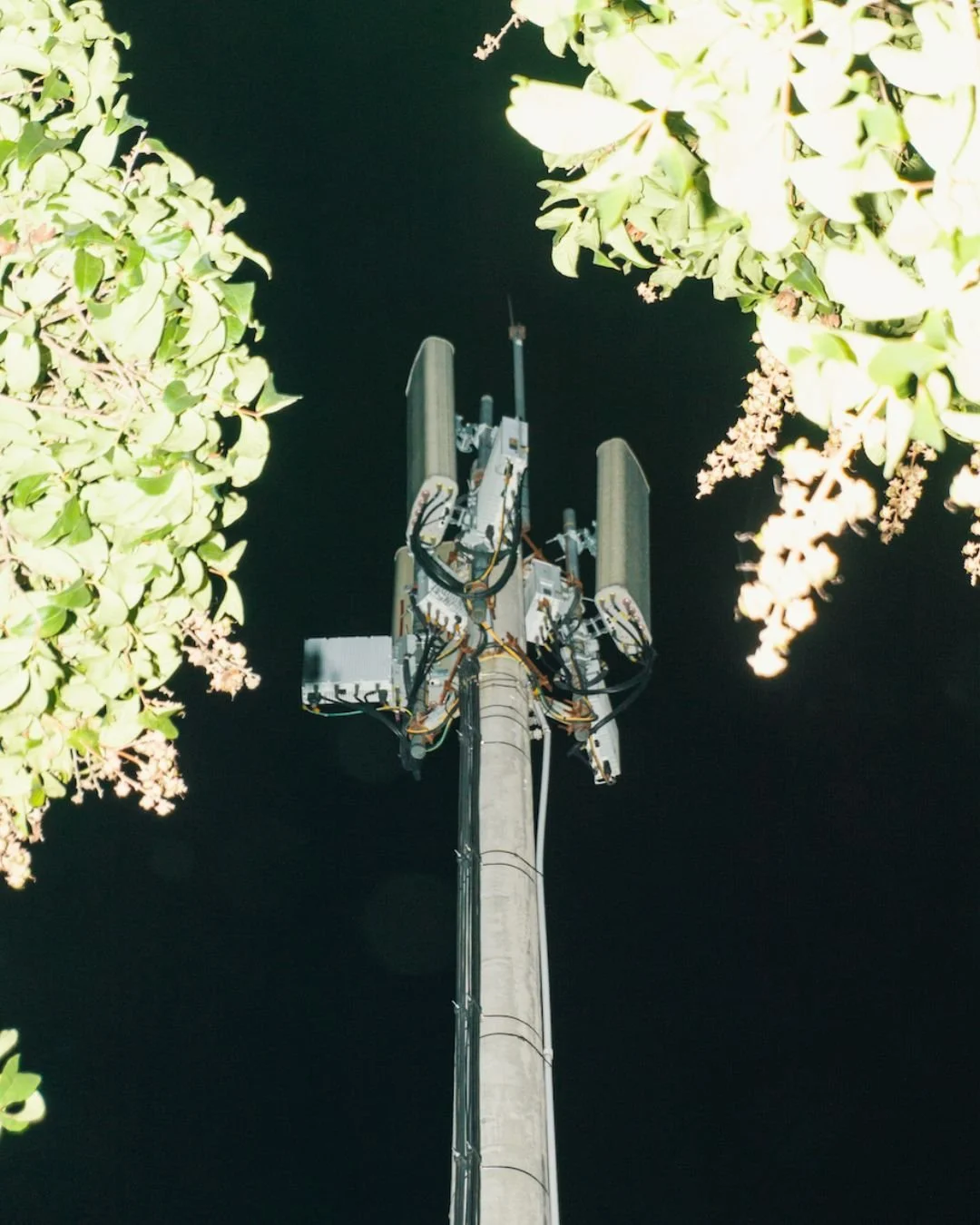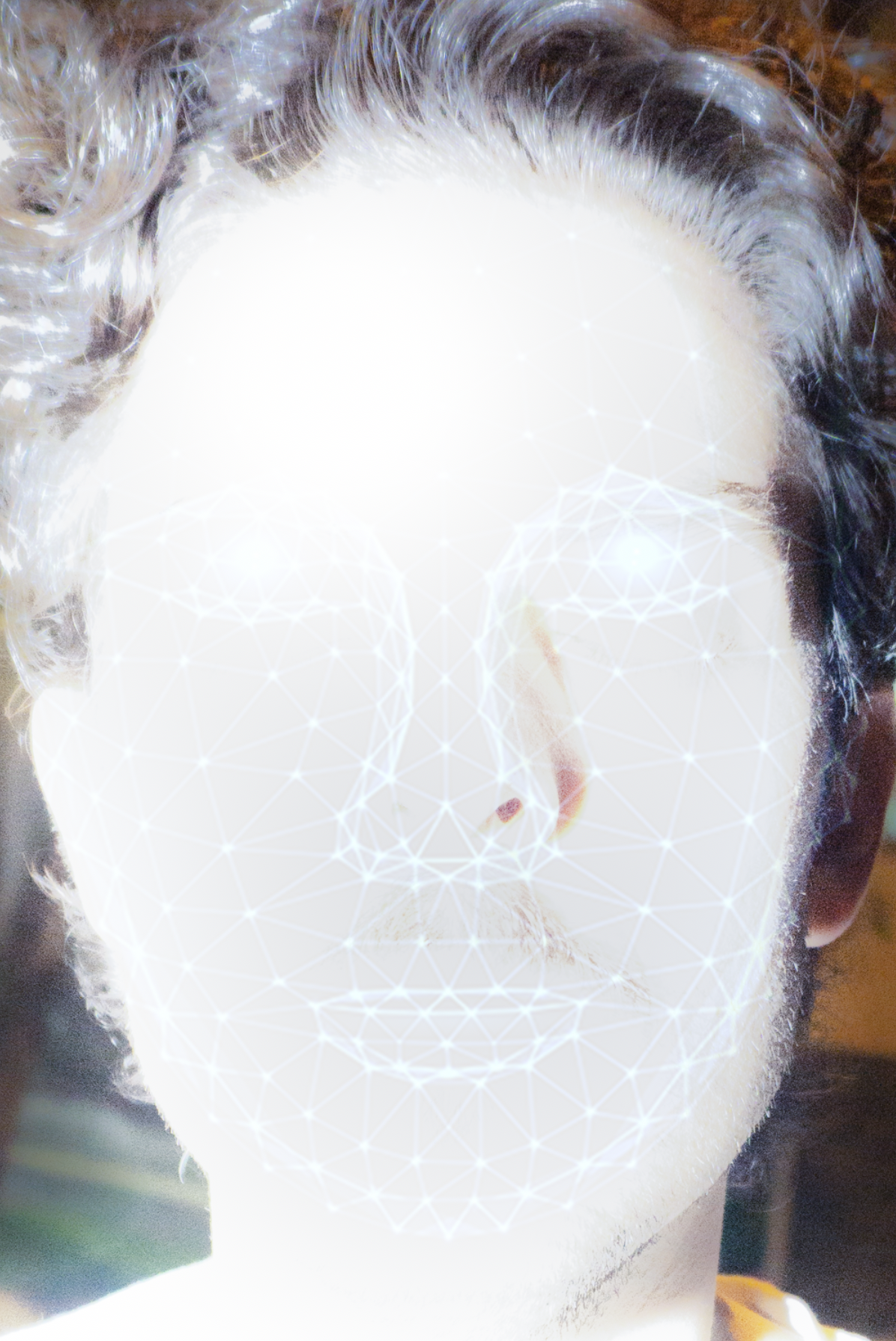

In two hundred meters, turn Ultra Right
In Two Hundred Meters, Turn Ultra Right
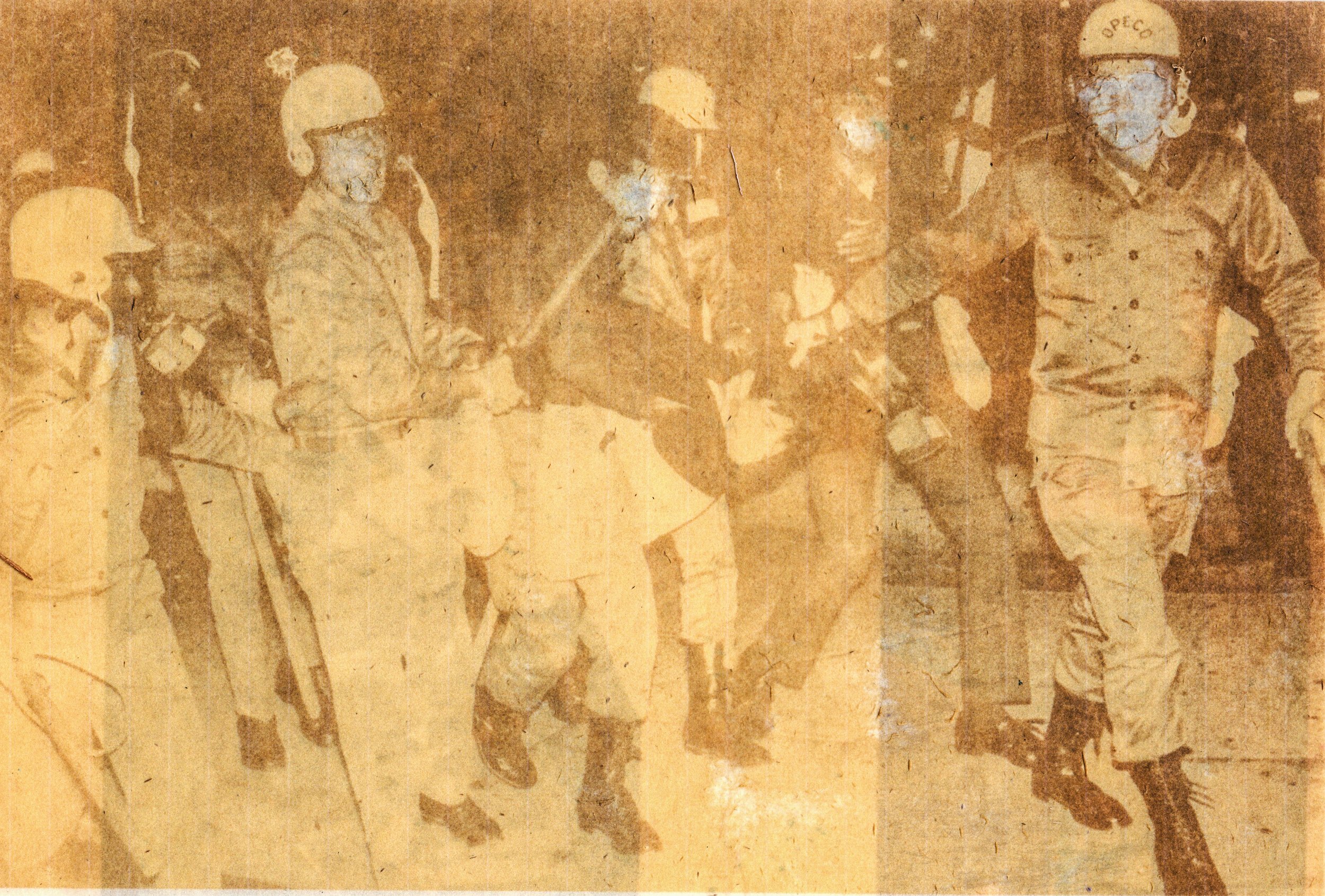
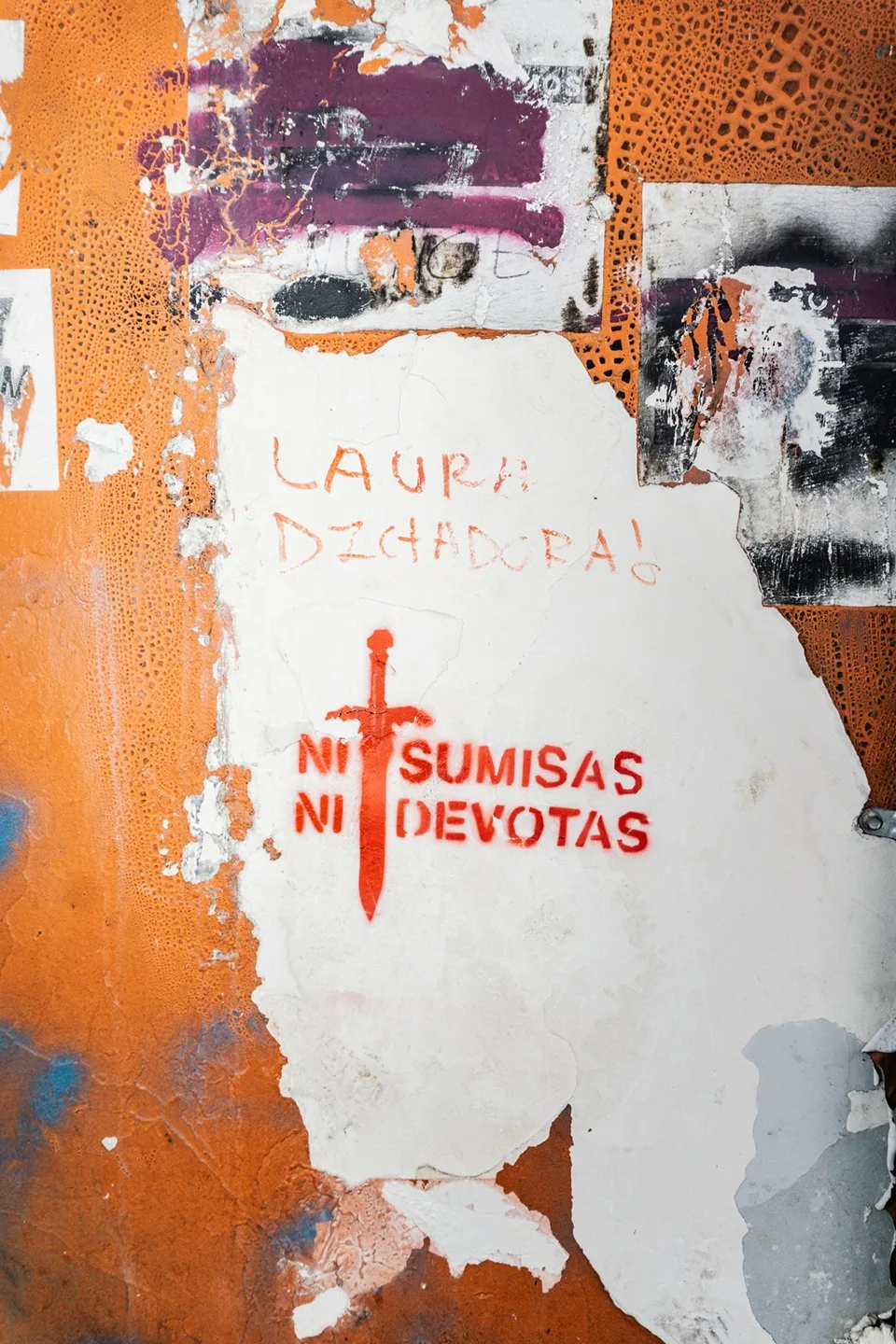
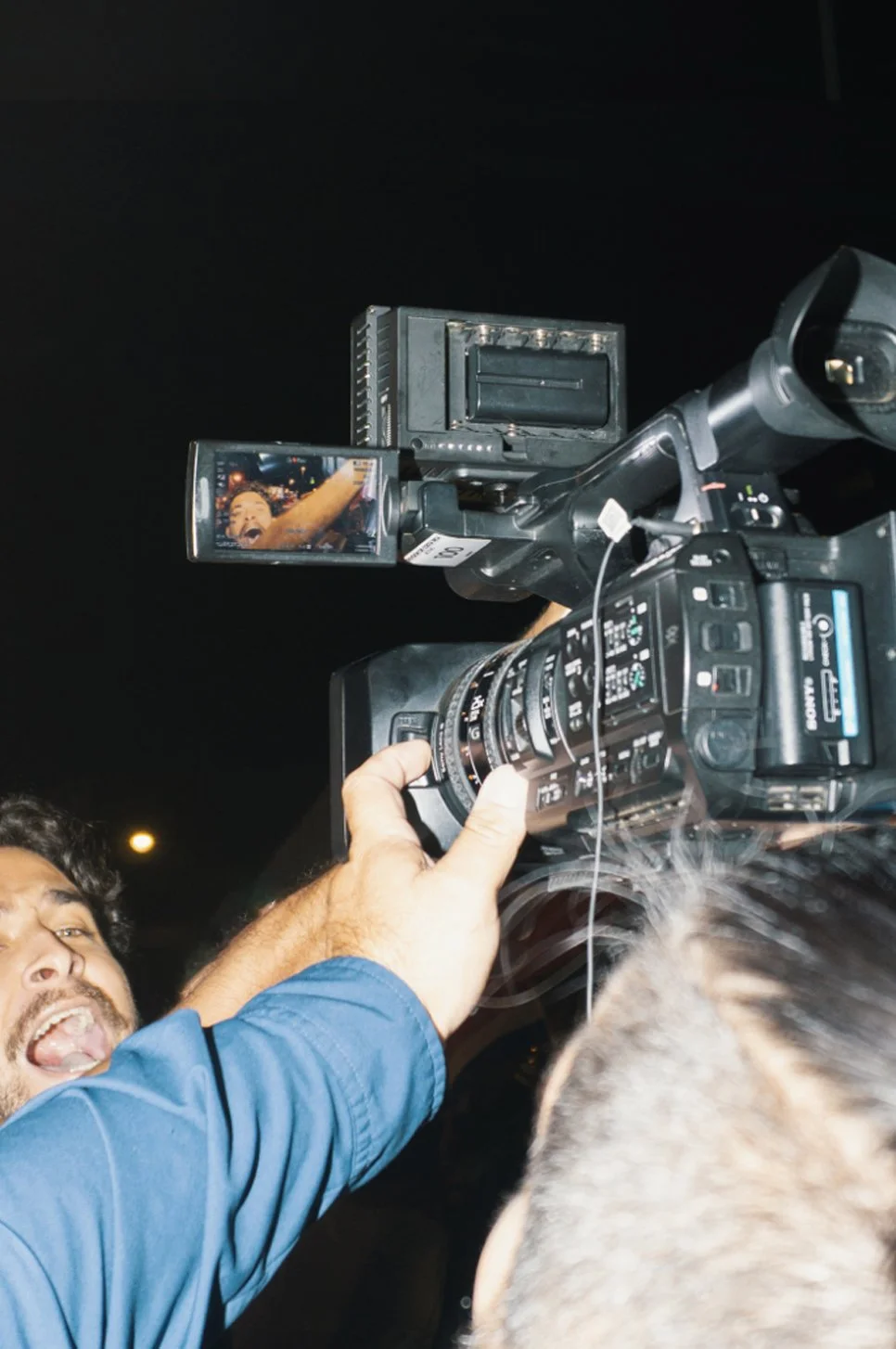
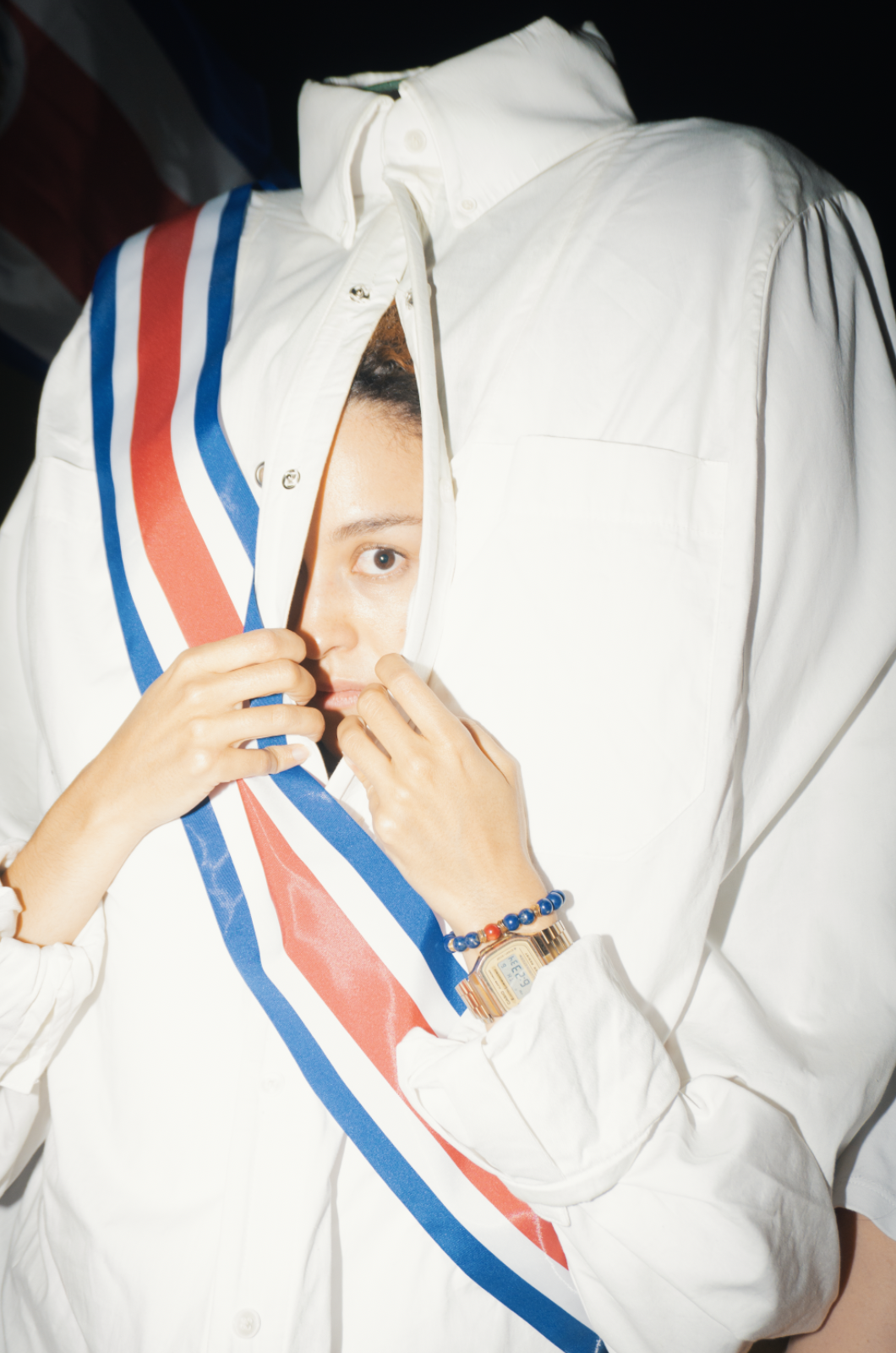
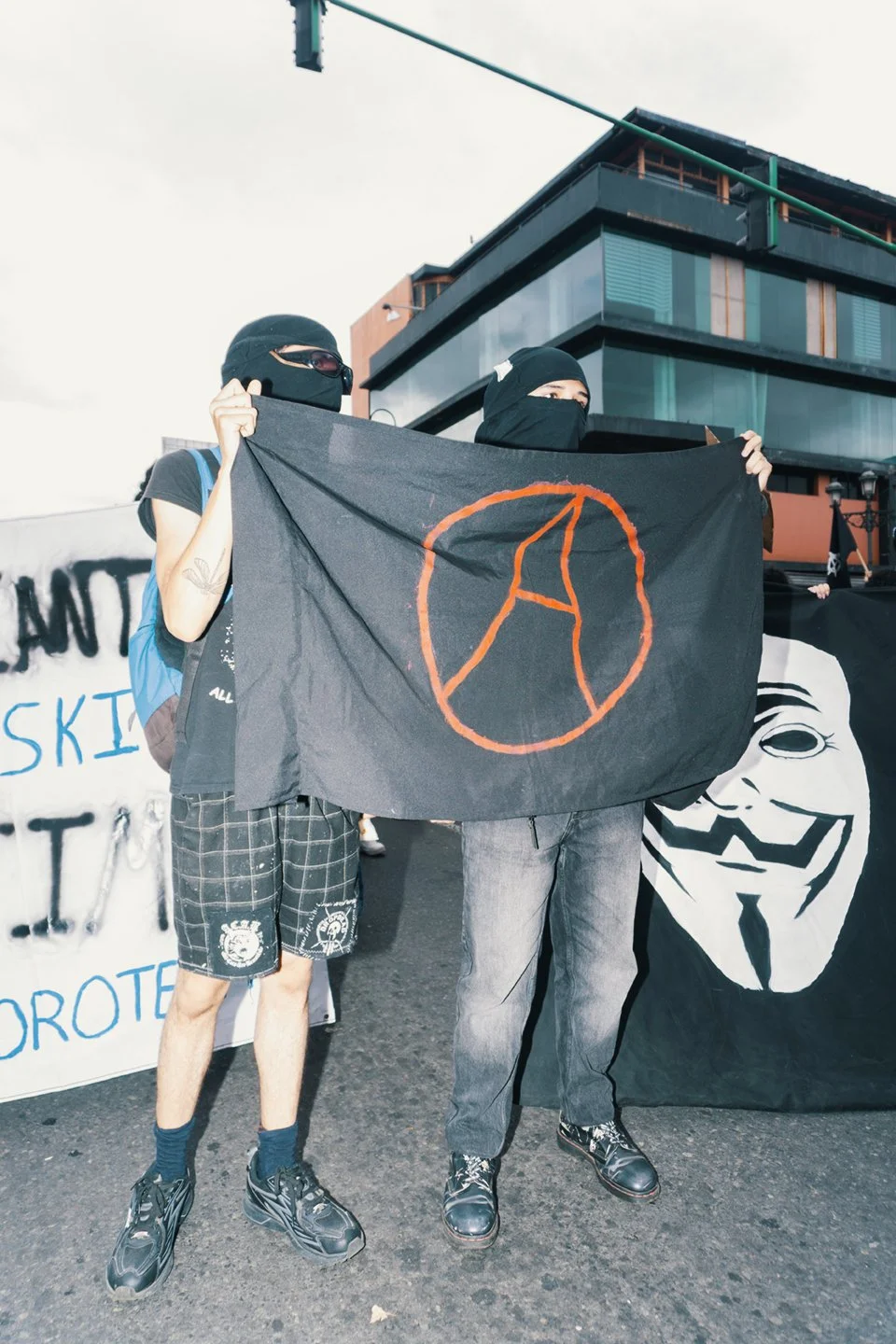
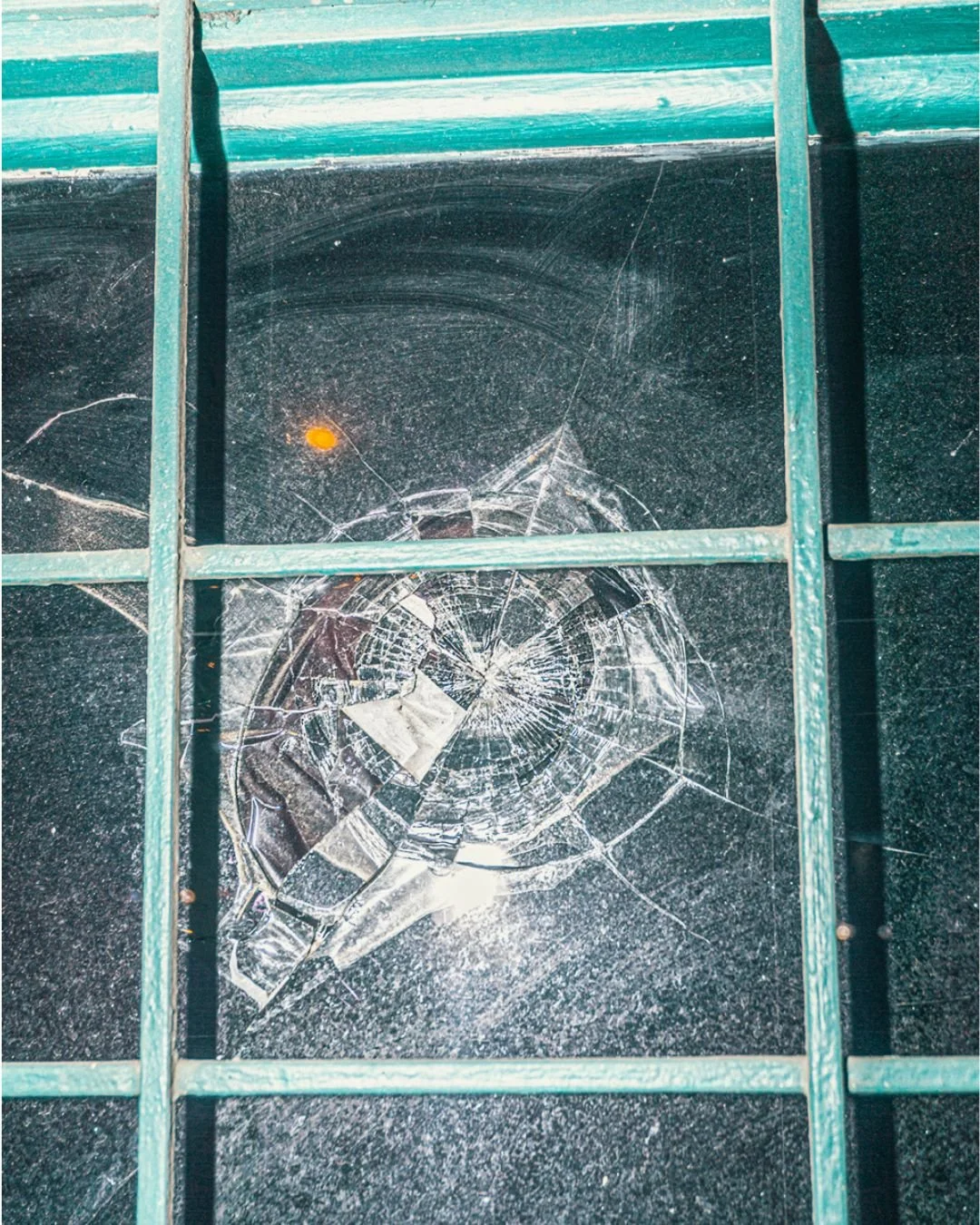
In Two Hundred Meters, Turn Ultra Right is a long term project in progress that examines the collapse of Costa Rica’s myth of exceptionalism. Costa Rica’s recent history has been shaped around the ideal of a concrete act: the abolition of the army as the cornerstone of our identity, with peace and “pura vida” serving as an exportable narrative. But every promise contains its own fracture. As the patriotic Costa Rica anthem warns: “Let us know how to be free, not diminished servants.” The question is not new, but today it has become urgent.
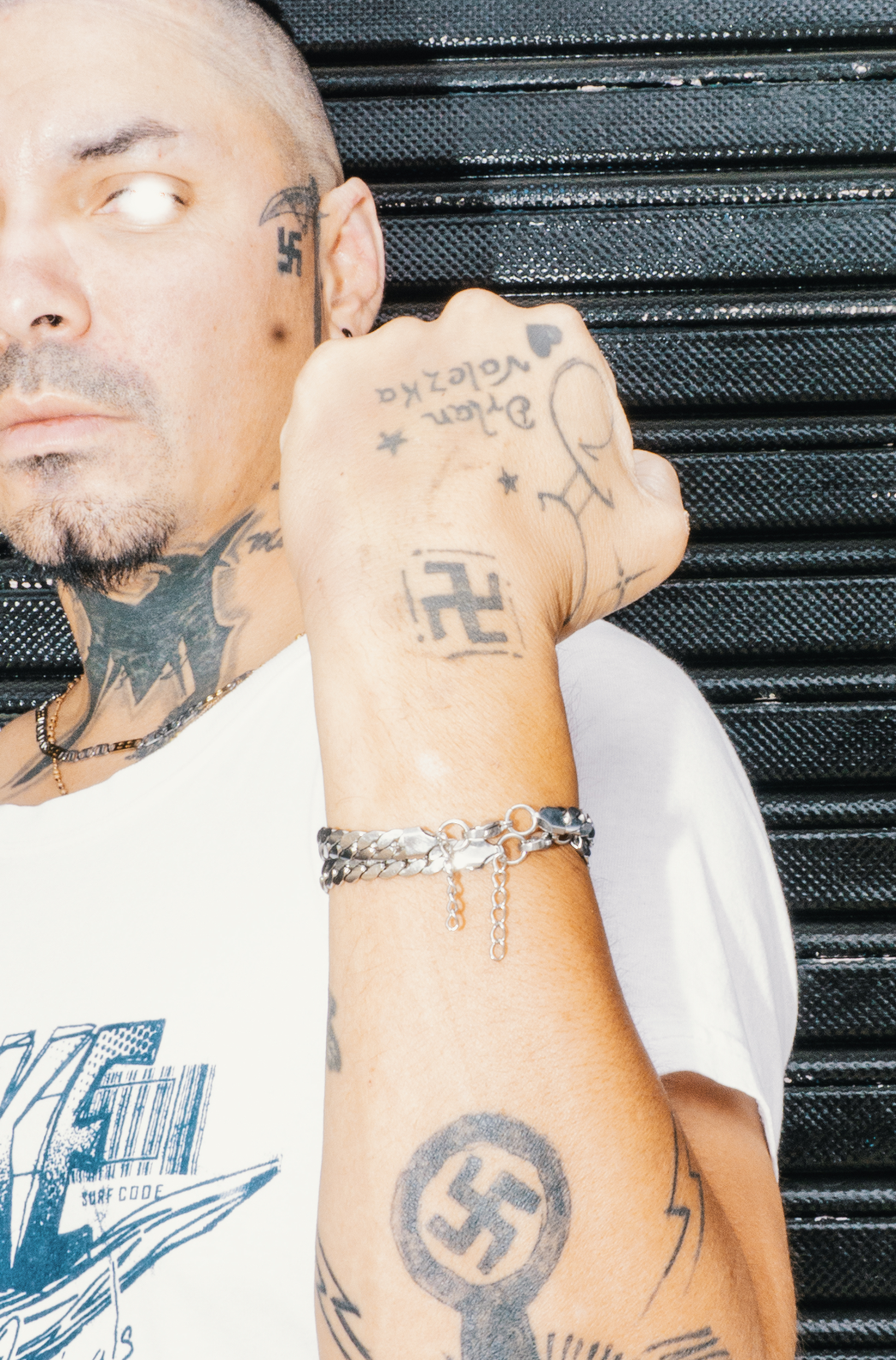
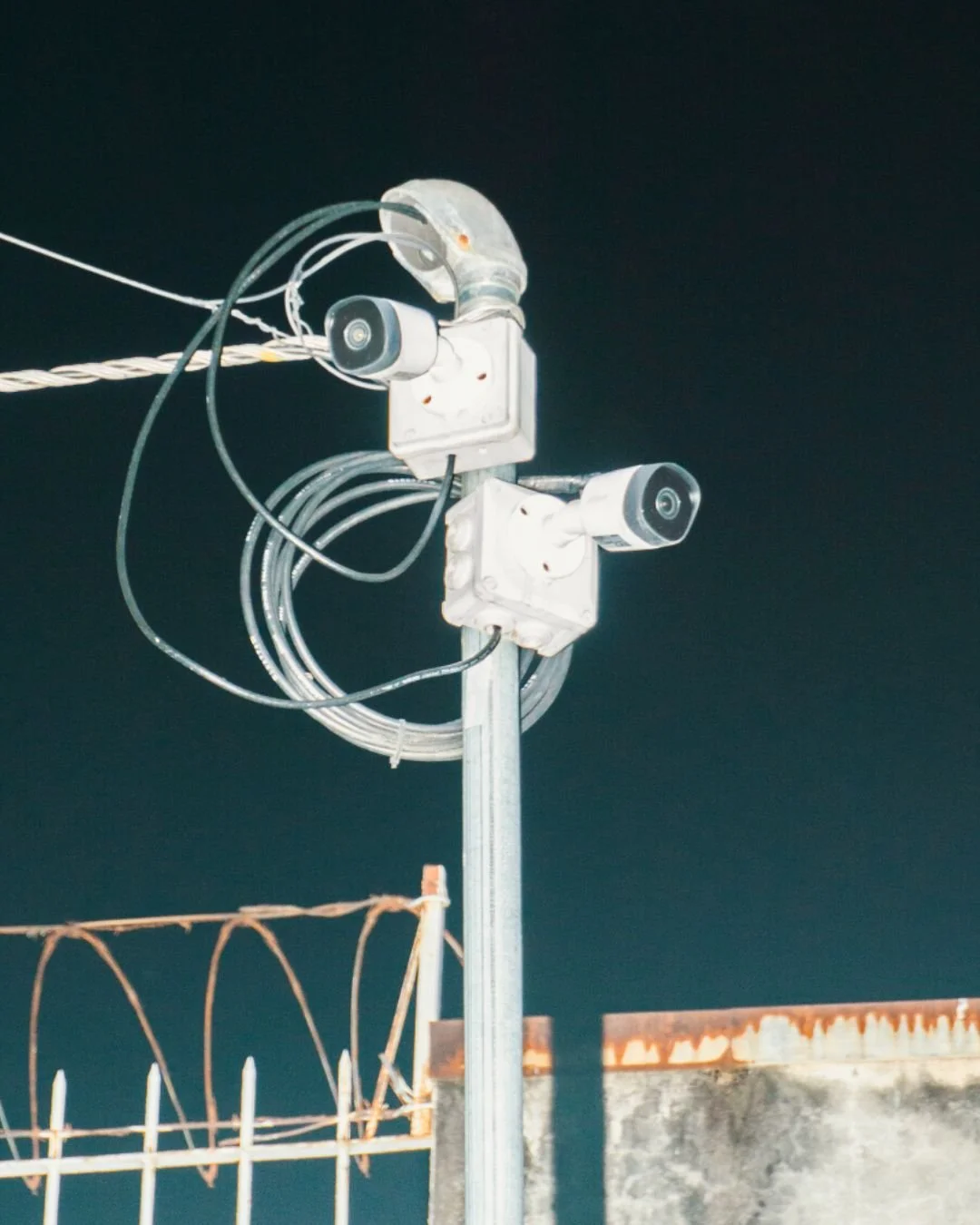
The country has long imagined itself as a peaceful island detached from the violence shaping Latin America. Yet beneath this narrative, another transformation has been unfolding: the slow normalization of fear, militarization, and ideological dependency.
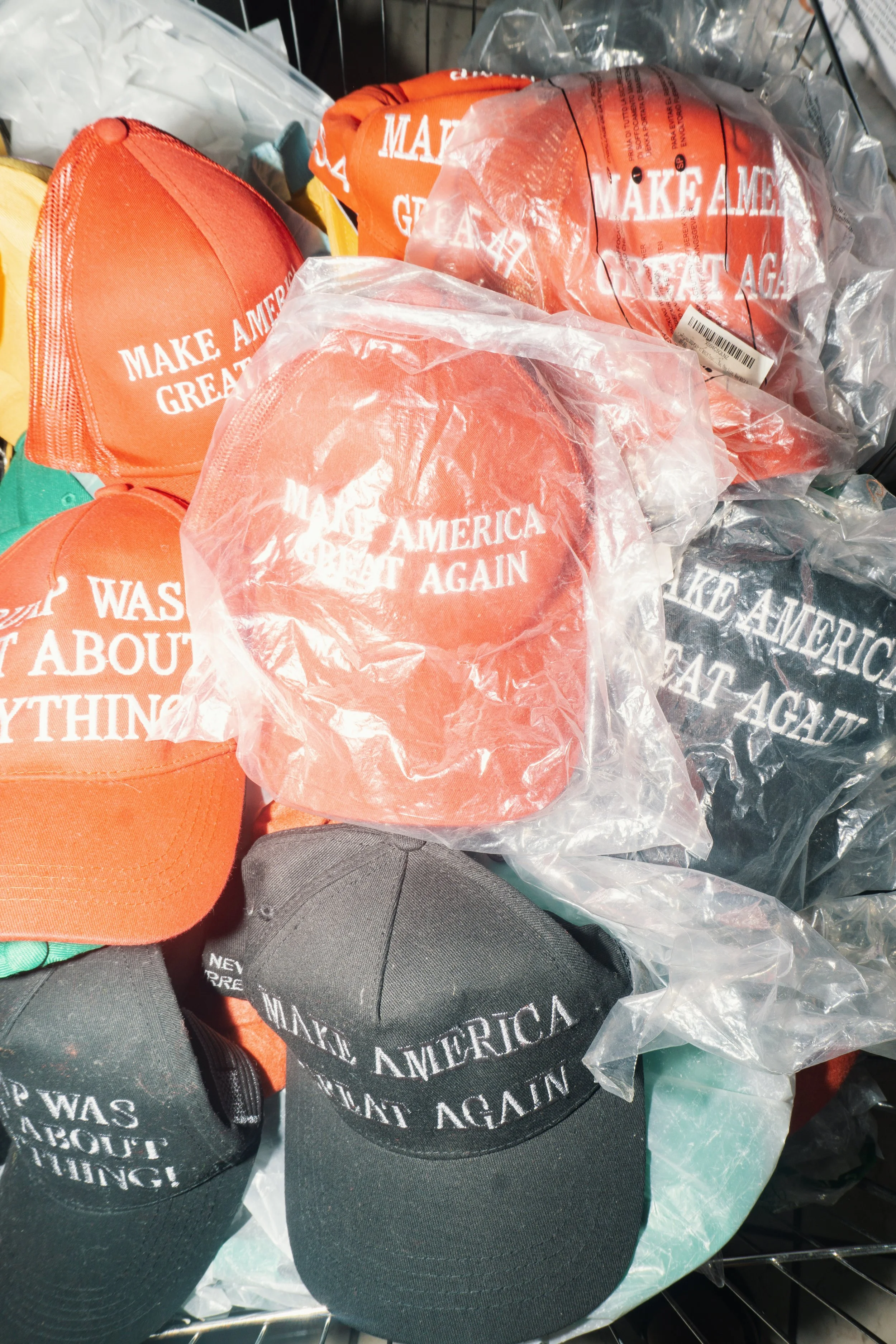
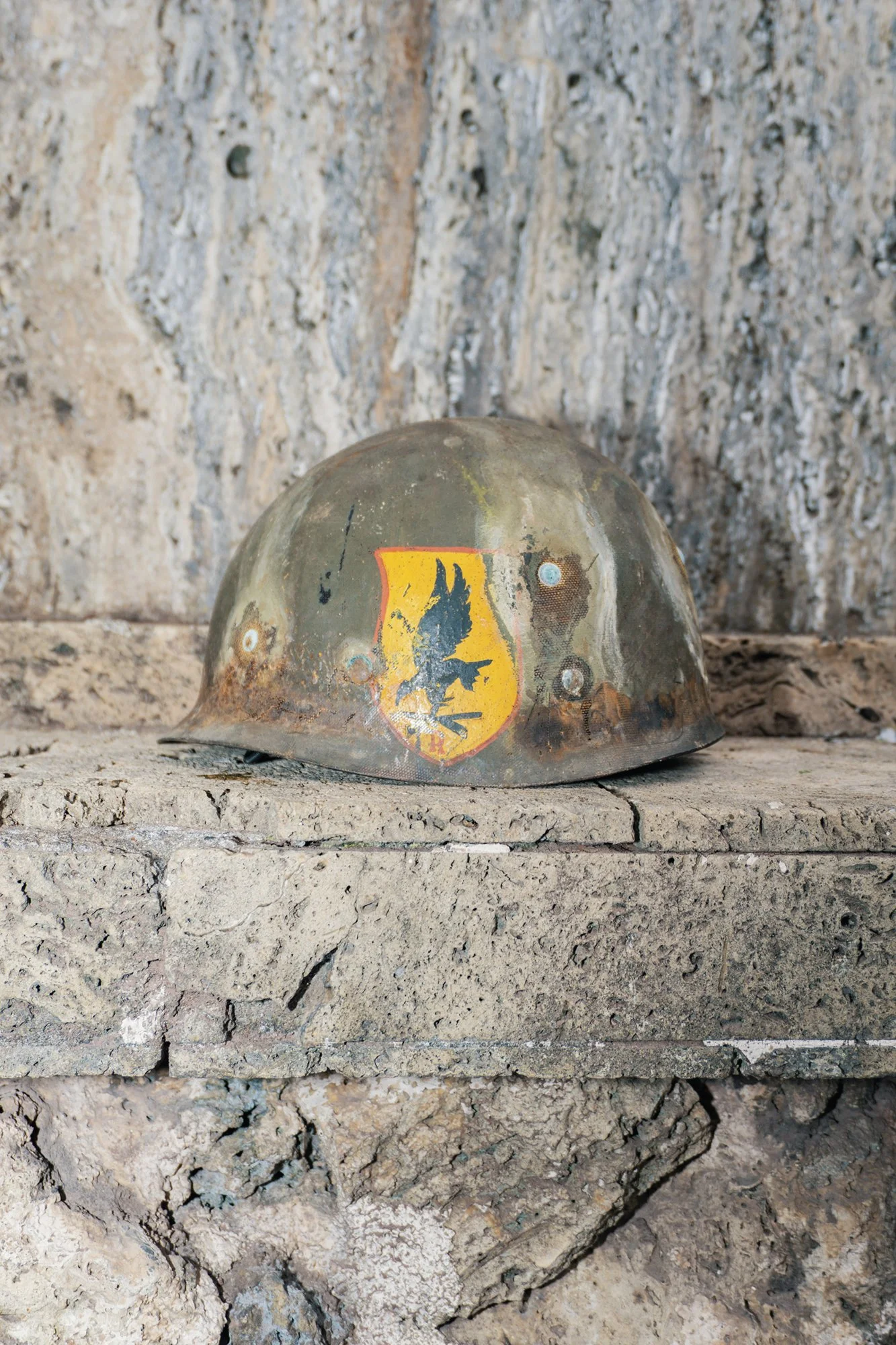
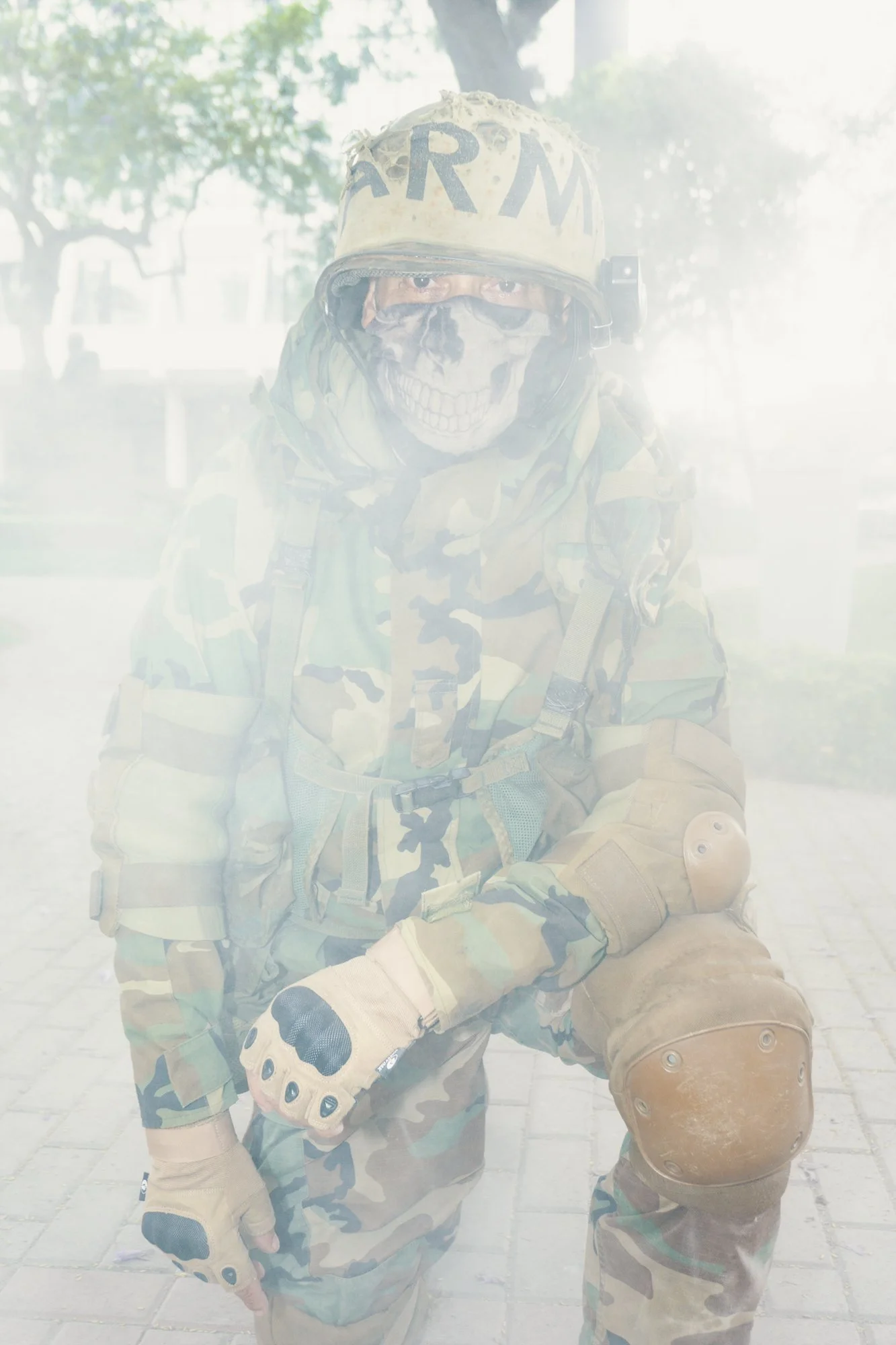
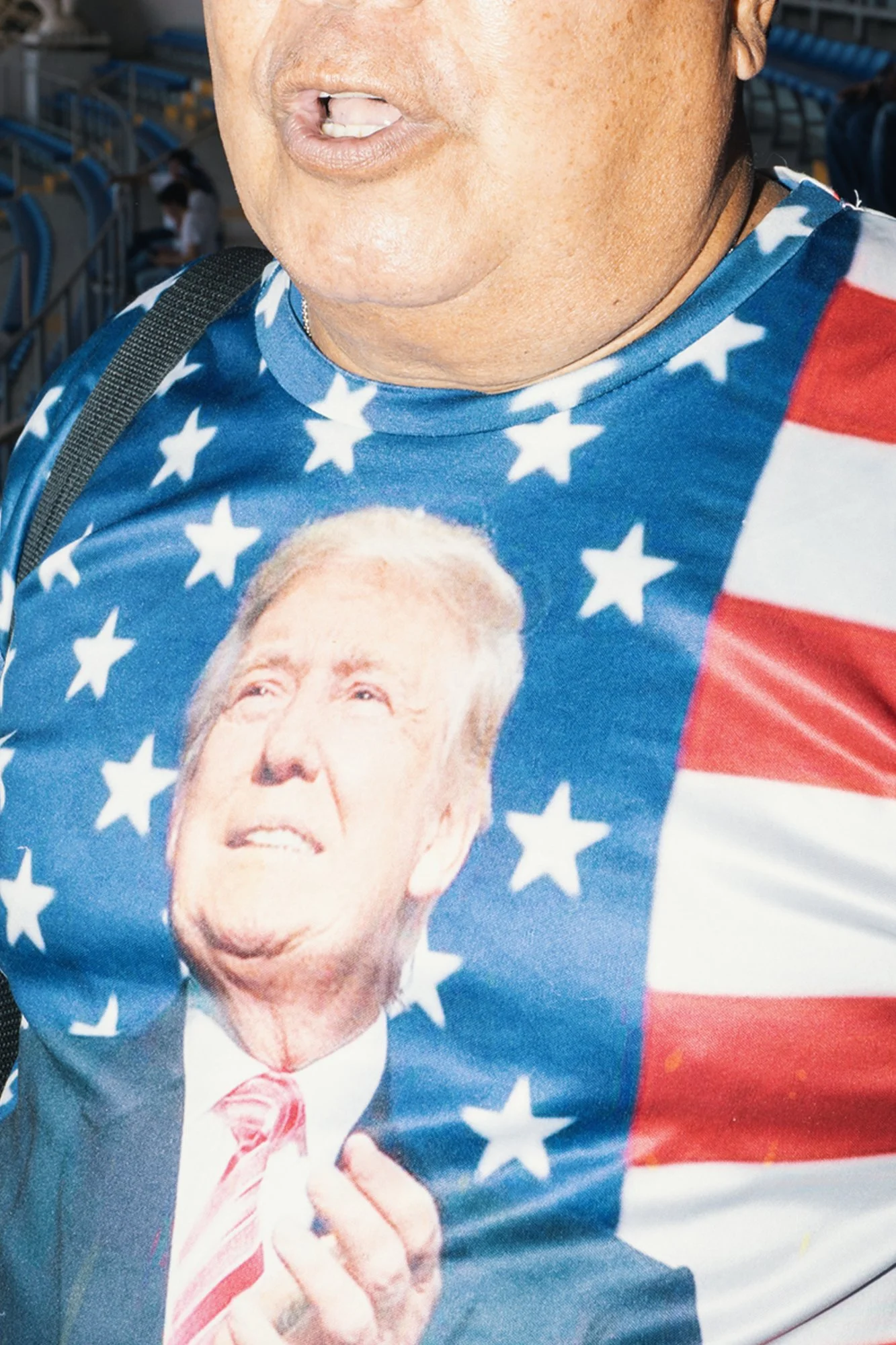
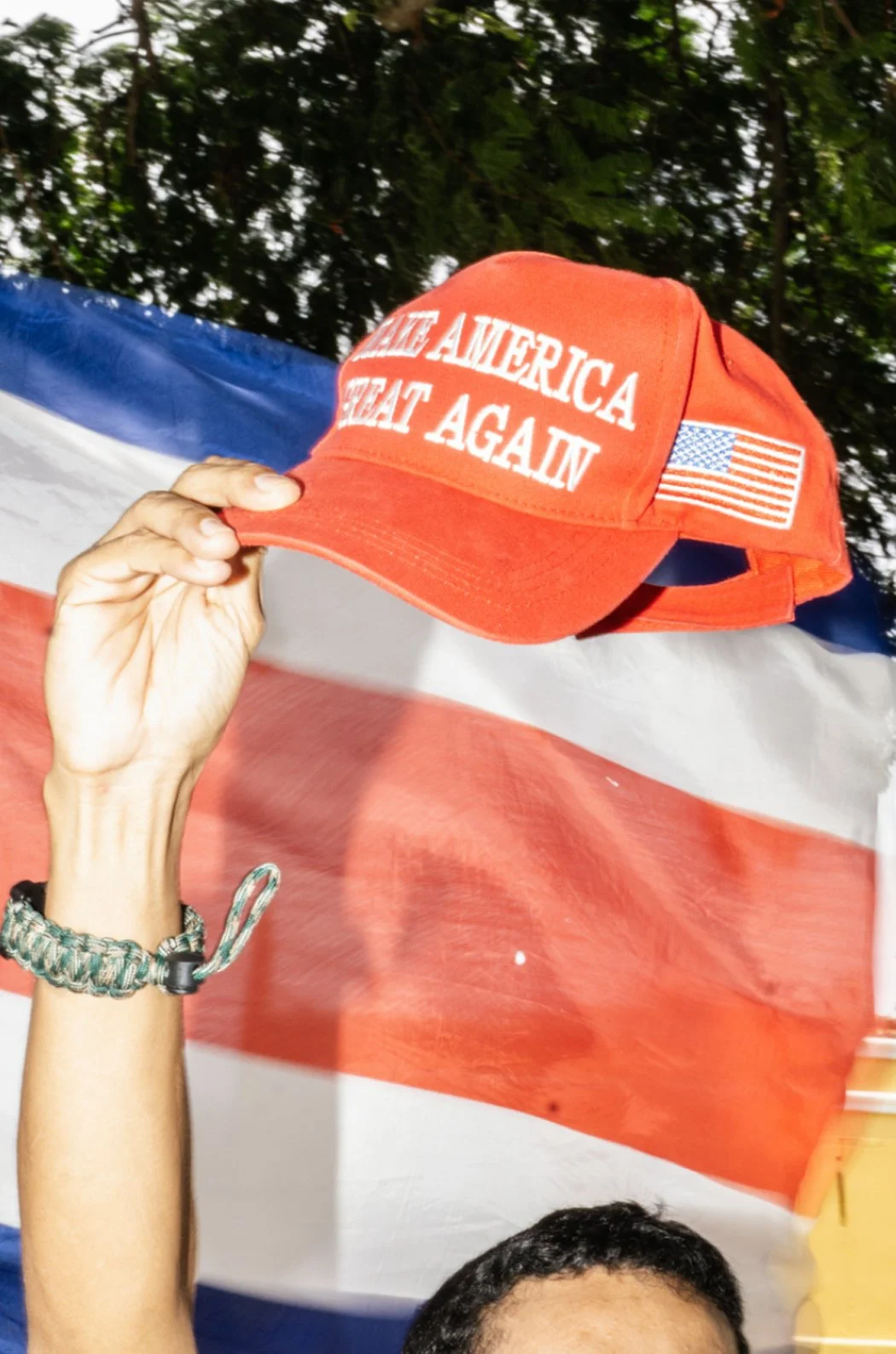
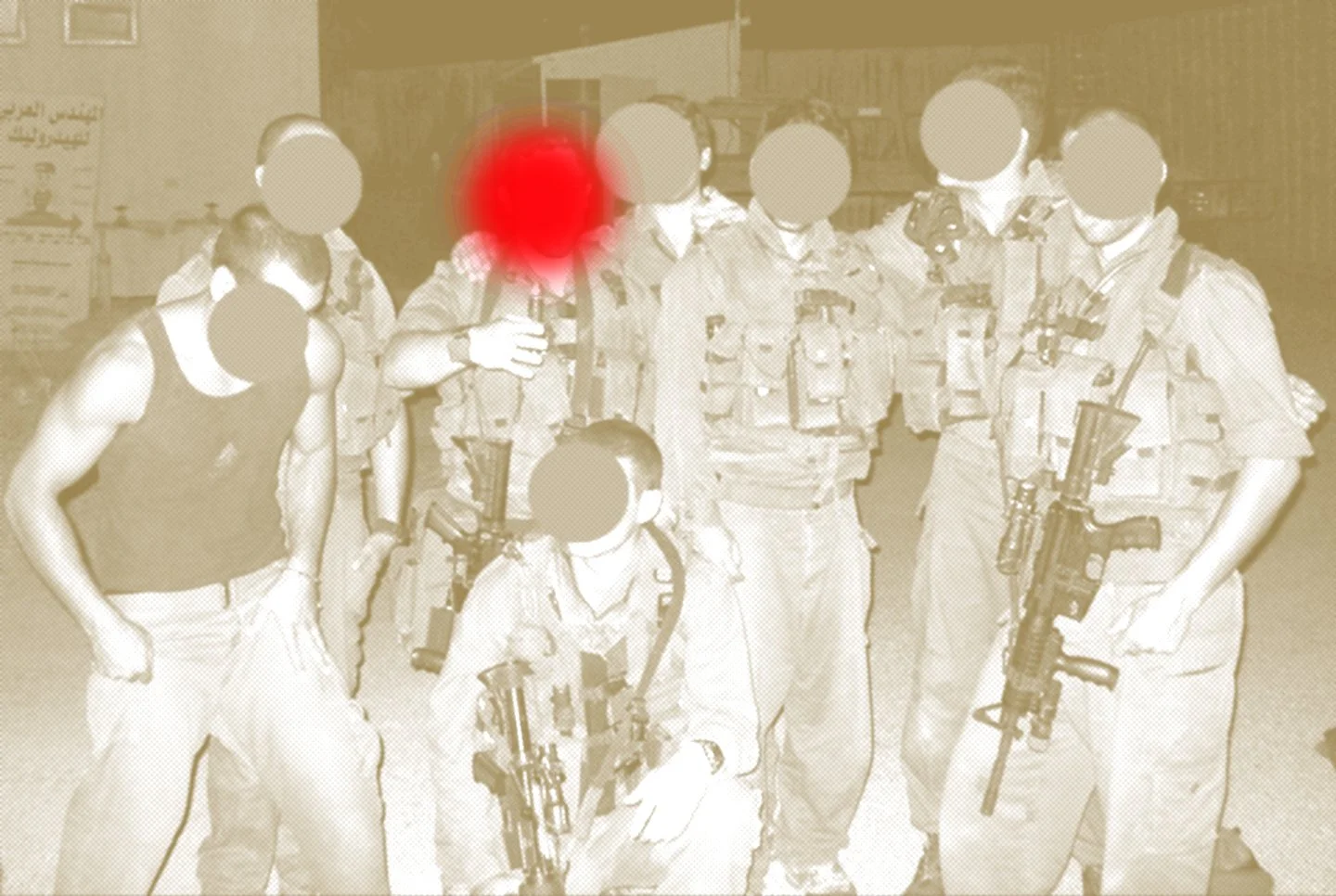
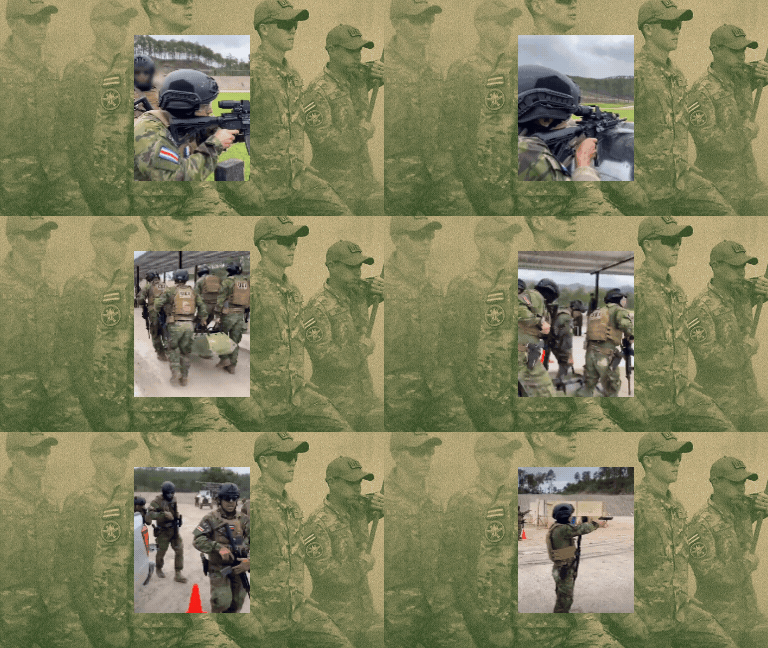
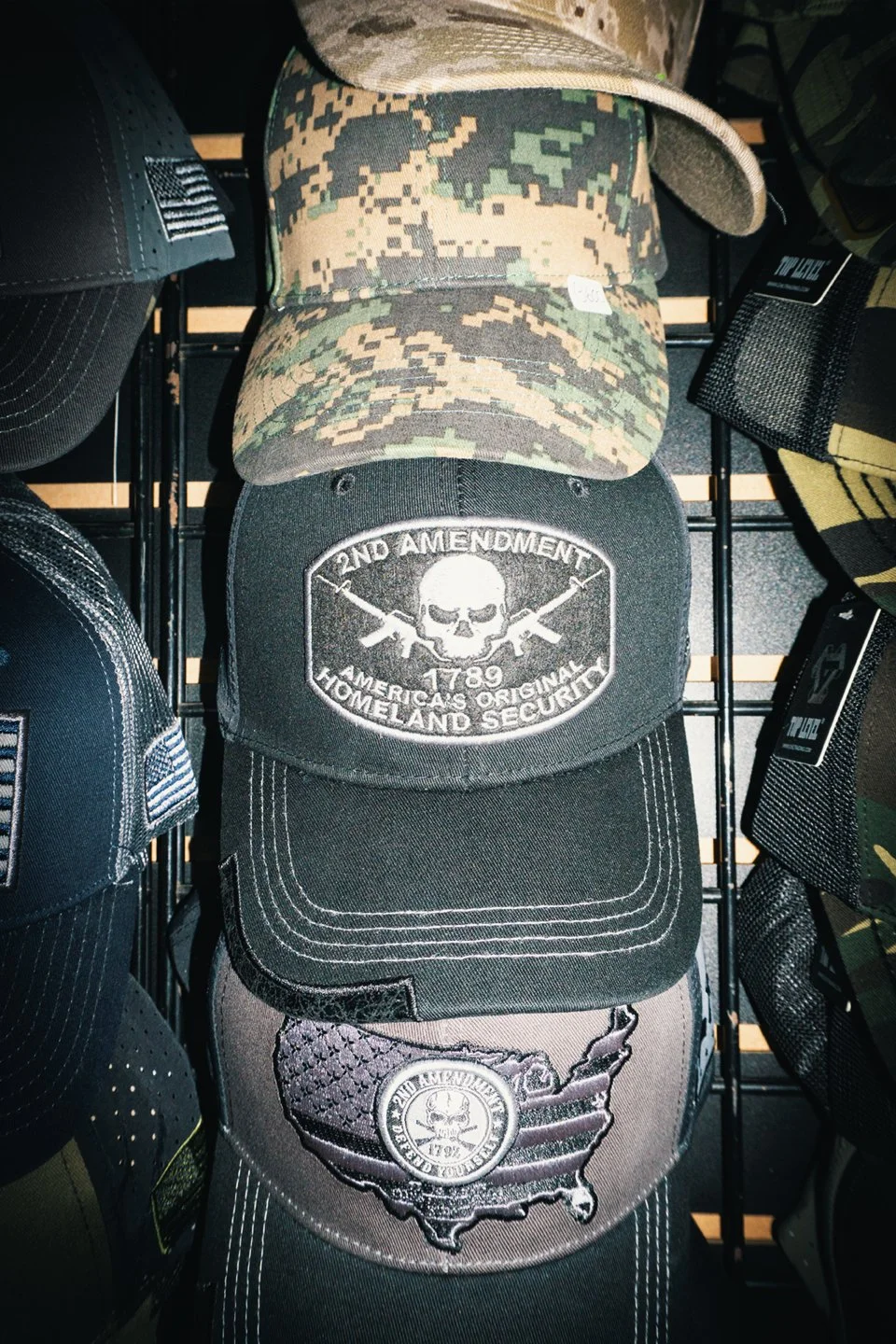
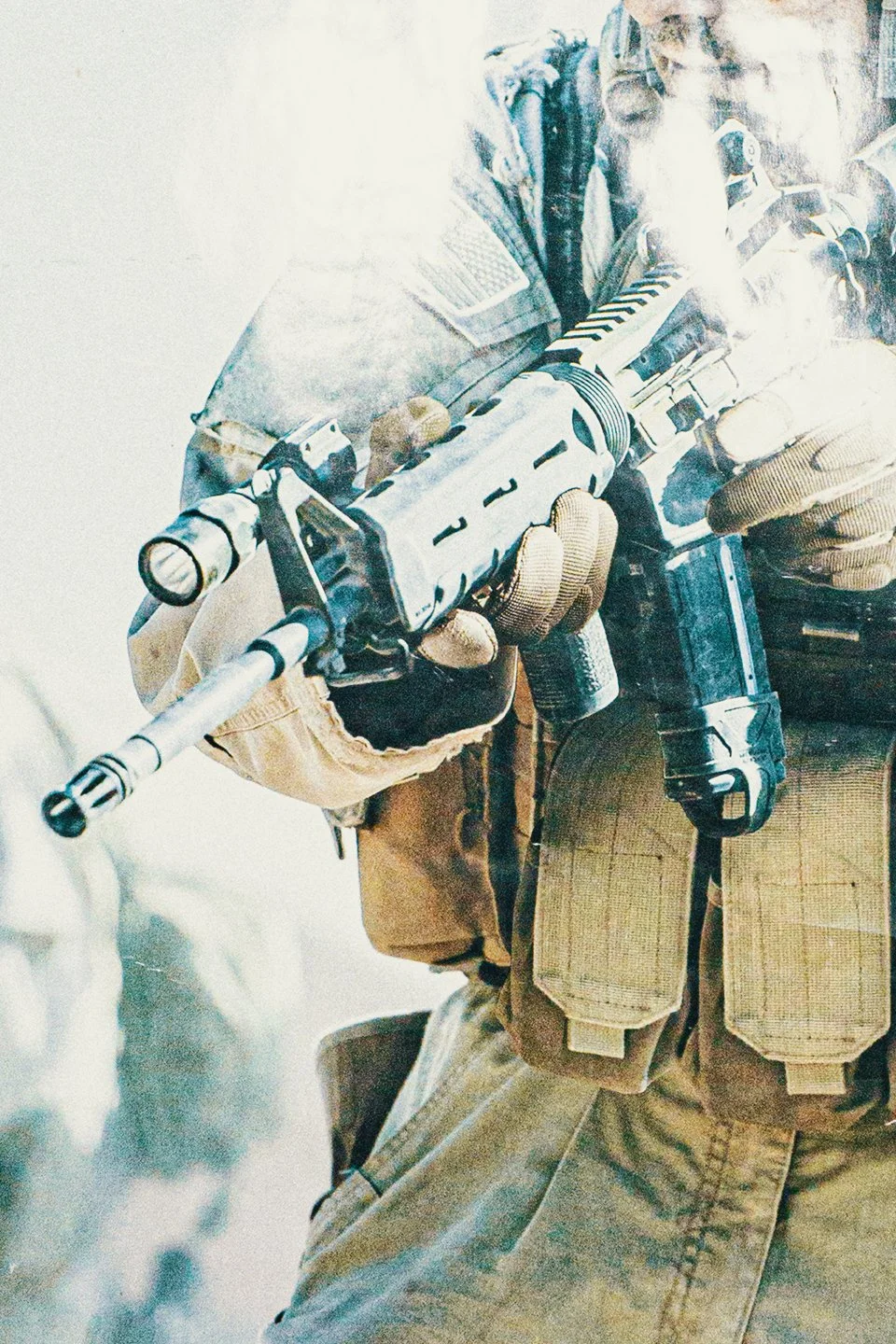
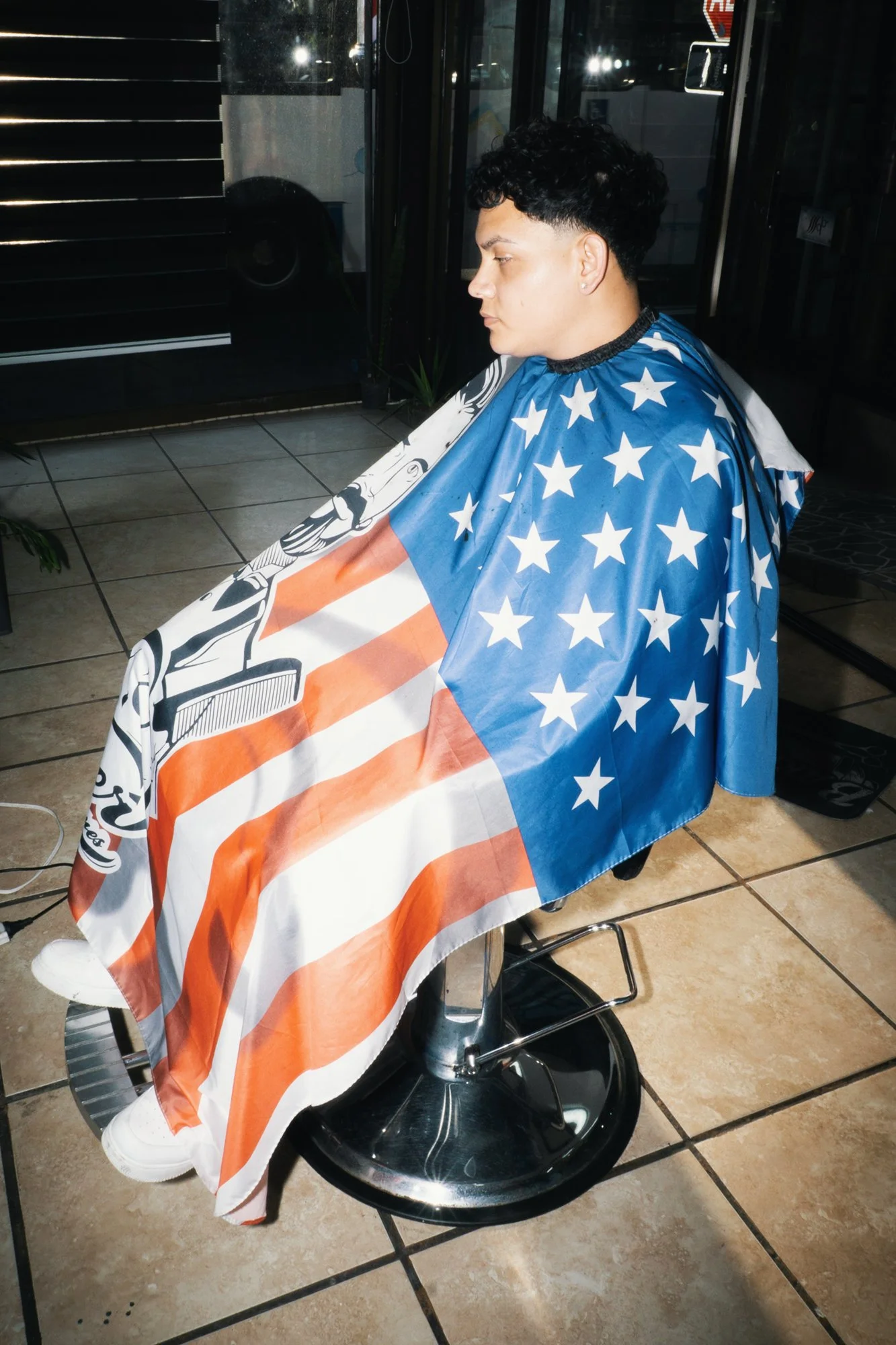
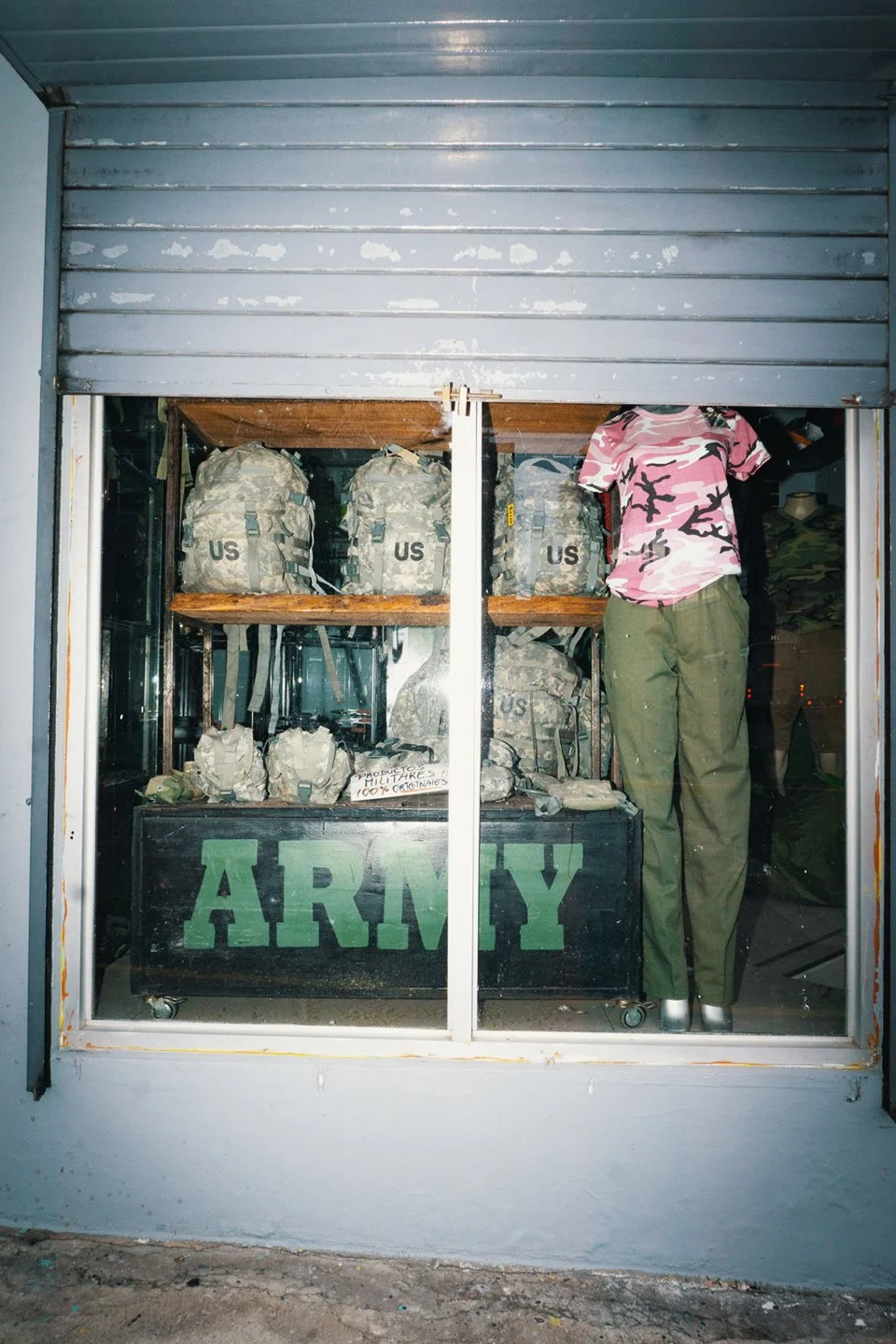
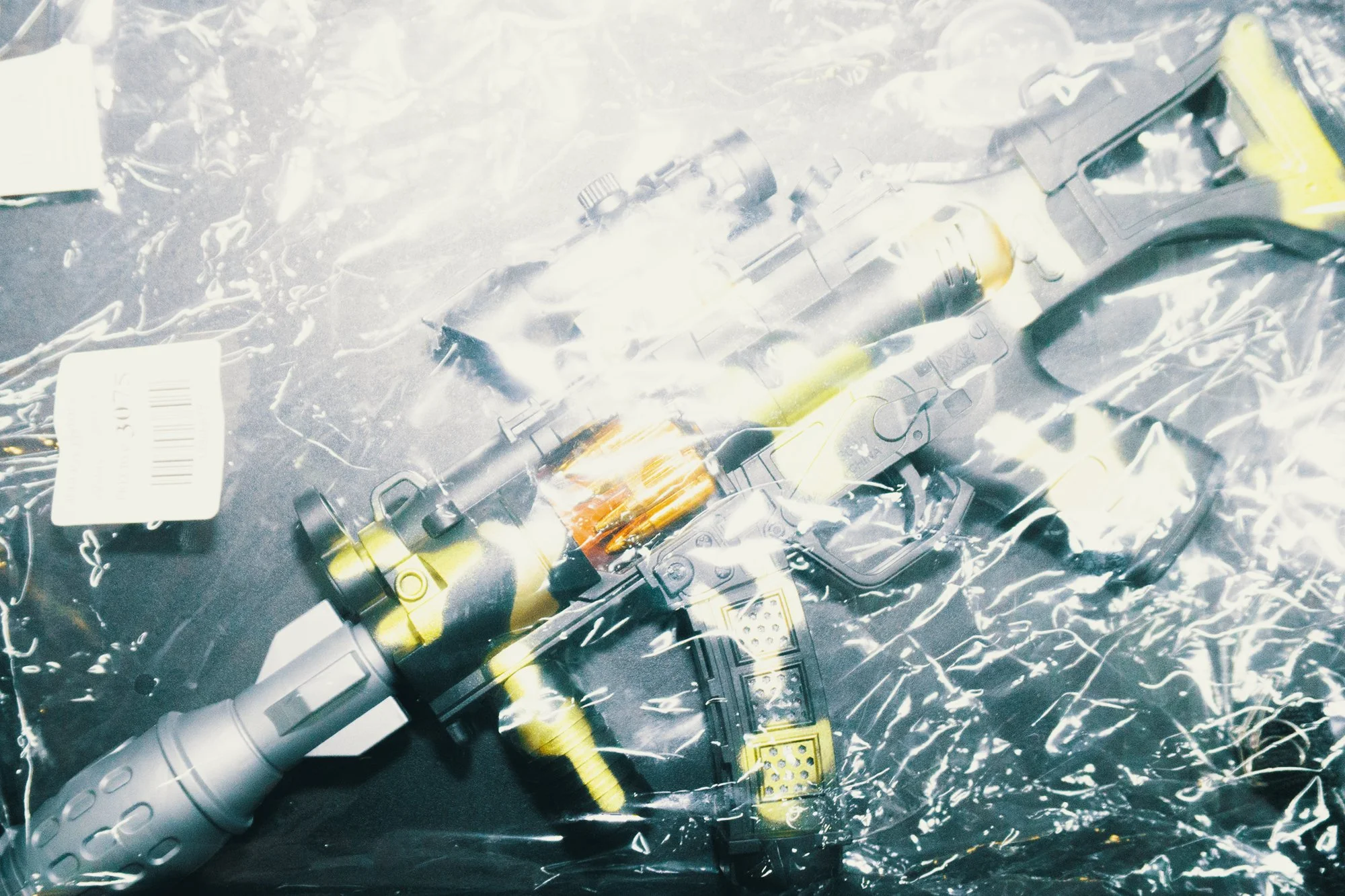
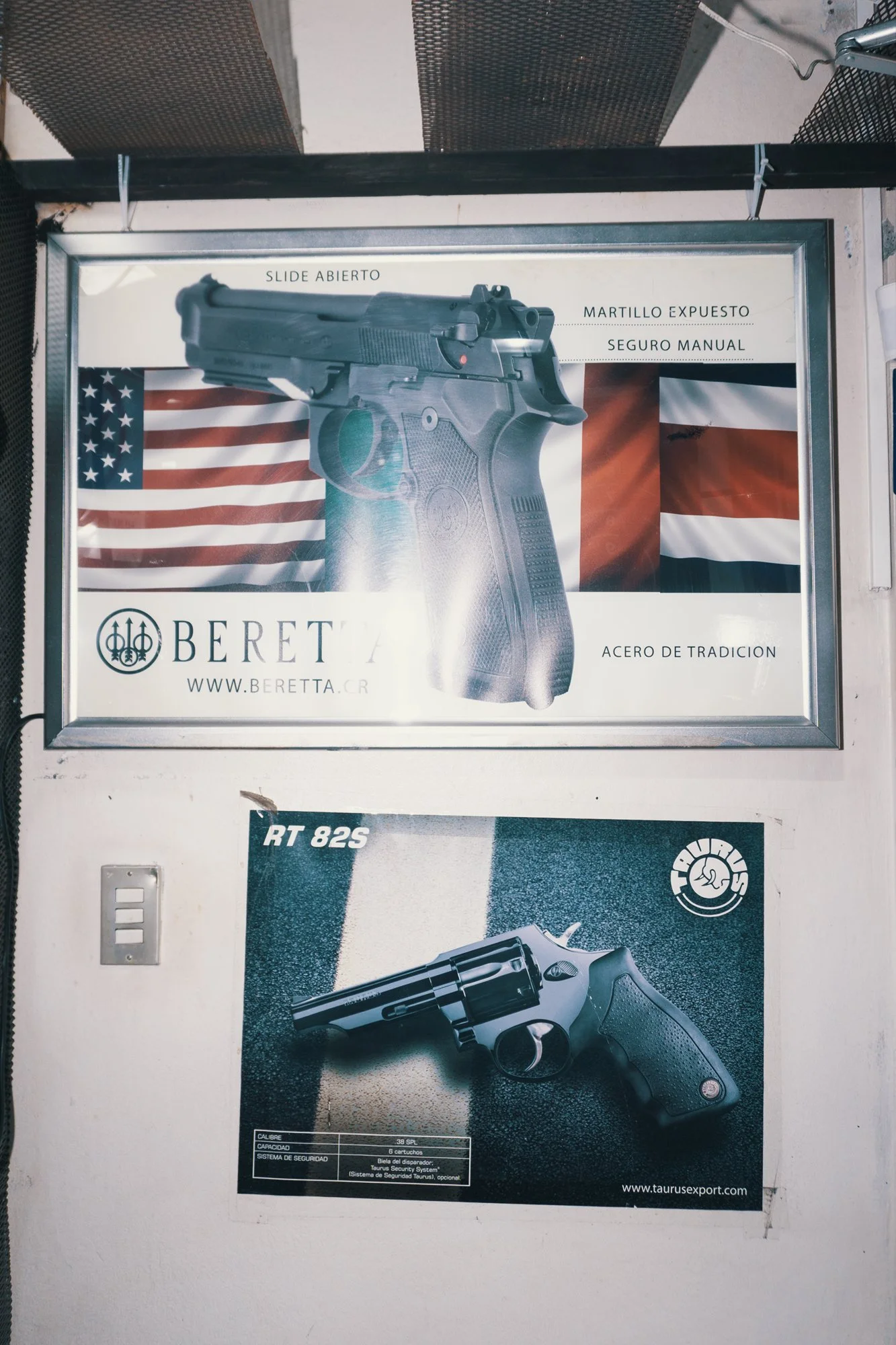
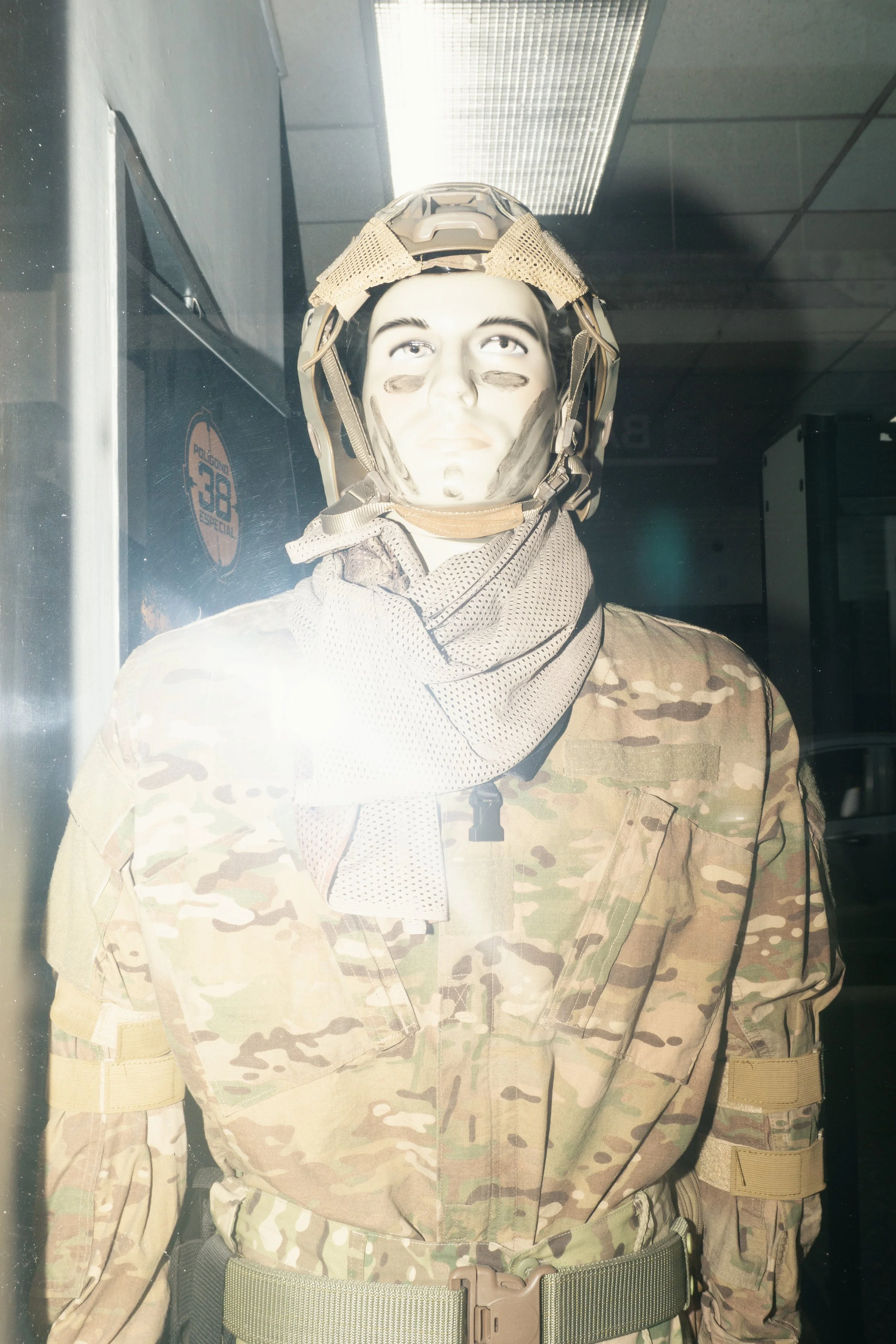
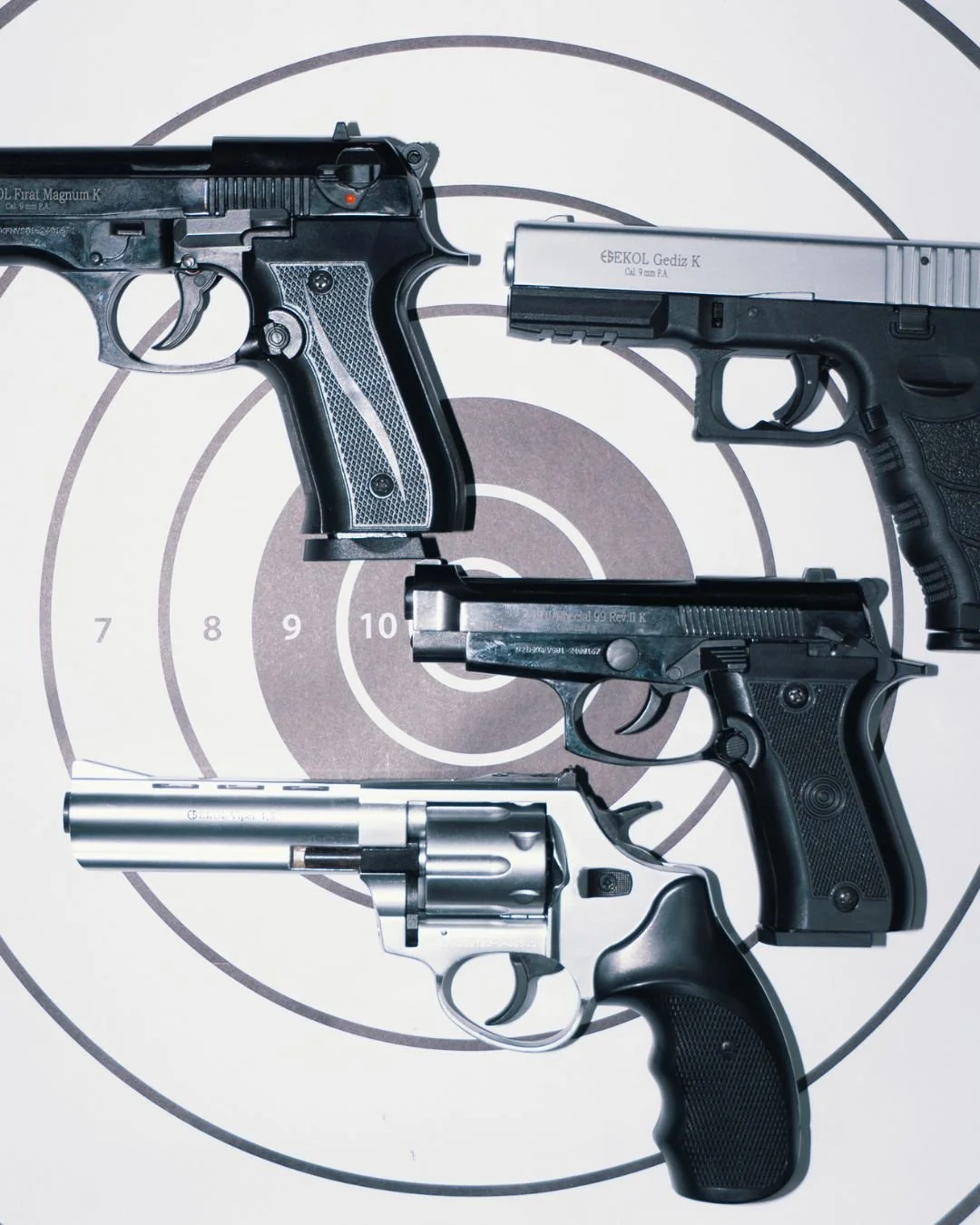
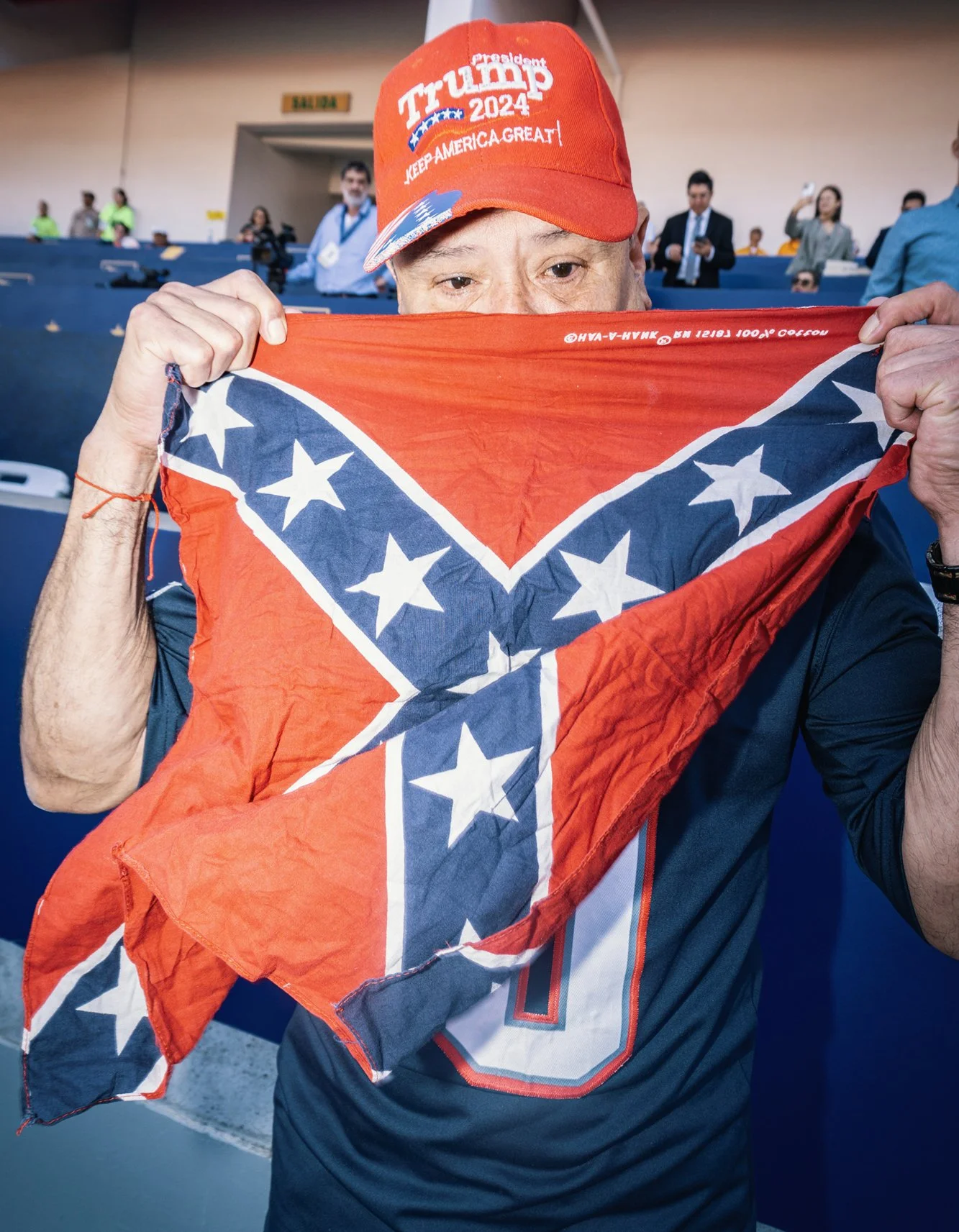
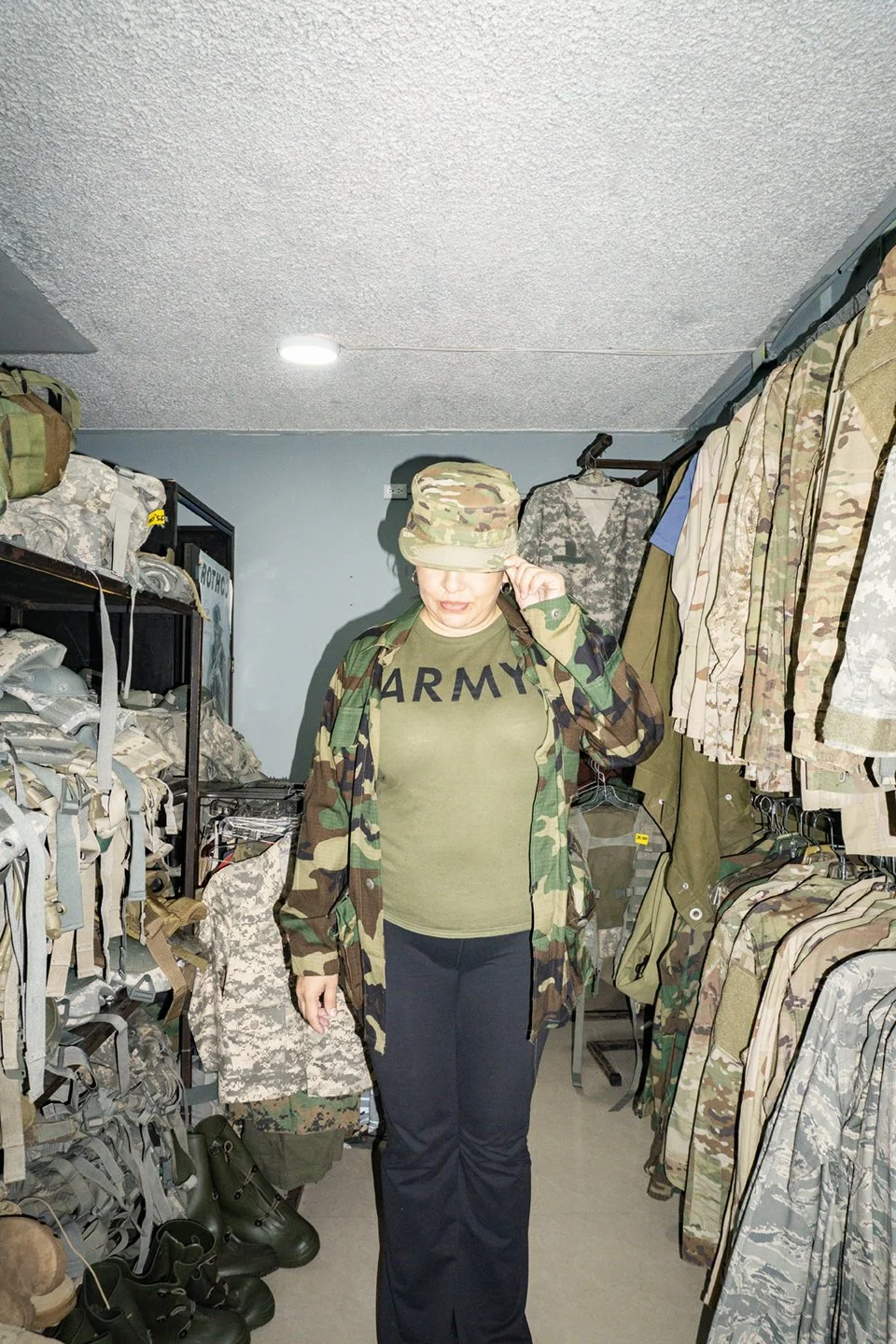
The project investigates how cultural colonialism operates through seduction rather than force. Americanized fantasies of security, authority, and violence absorbed through media, technology, and political discourse have reshaped the collective imagination. The soldier became aspirational, the police seek militarization, and fear turns into ideology.
Borrowing its title from the automated language of Waze, the work treats navigation as a political metaphor. The interface promises freedom while silently directing movement, revealing how contemporary systems of power manufacture consent and orient societies toward authoritarian desires. “In two hundred meters turn ultra right” becomes both a GPS instruction and a warning: a reflection on the global rise of far-right rhetoric, the aestheticization of violence, and the fragile boundary between democracy and control.
Costa Rica emerges not as a peaceful exception, but as a symbolic battlefield where narratives of peace, insecurity, nationalism, and global influence collide. The project asks a critical question: if our movements, fears, and desires are constantly programmed, did we ever truly choose the path we are on?


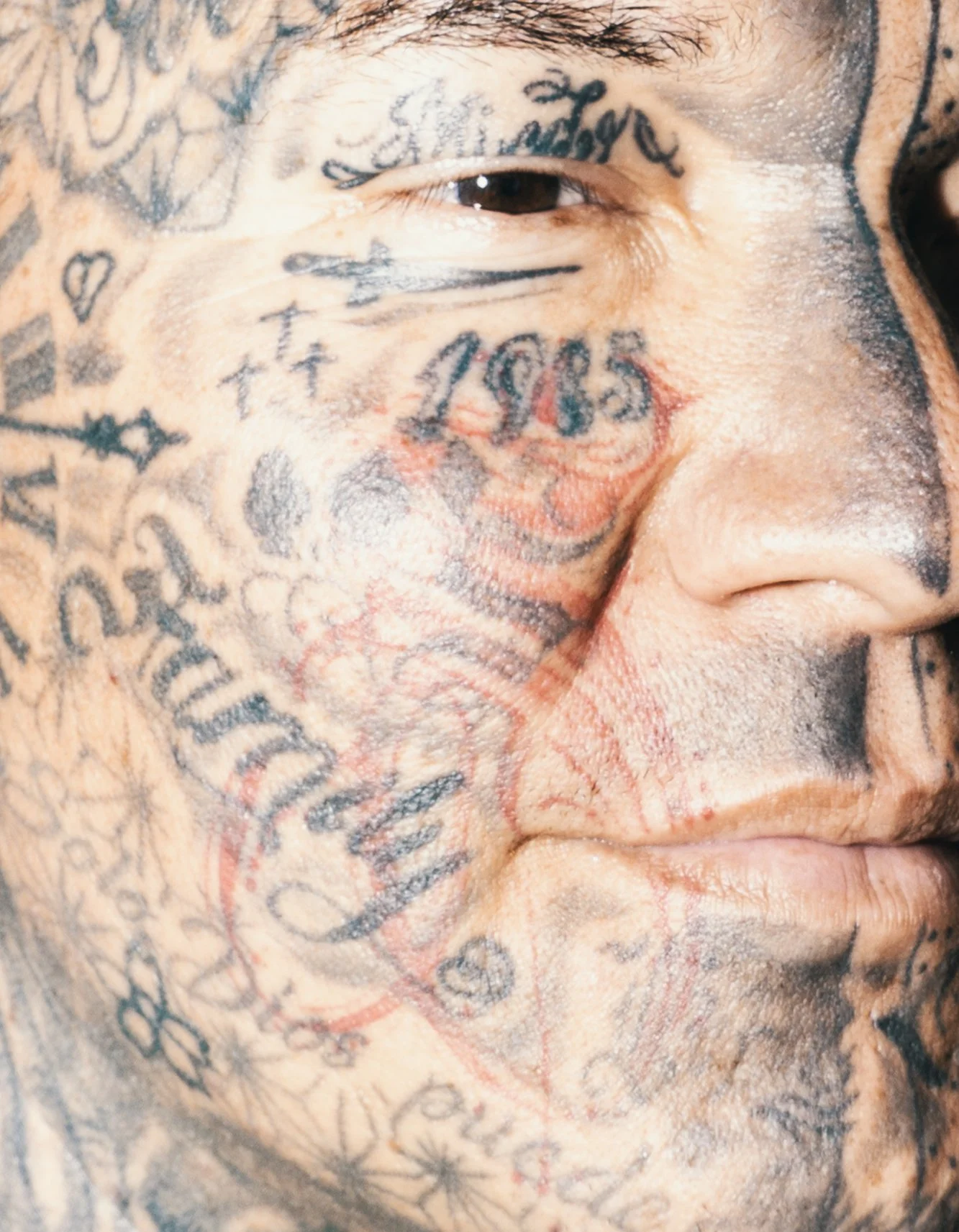





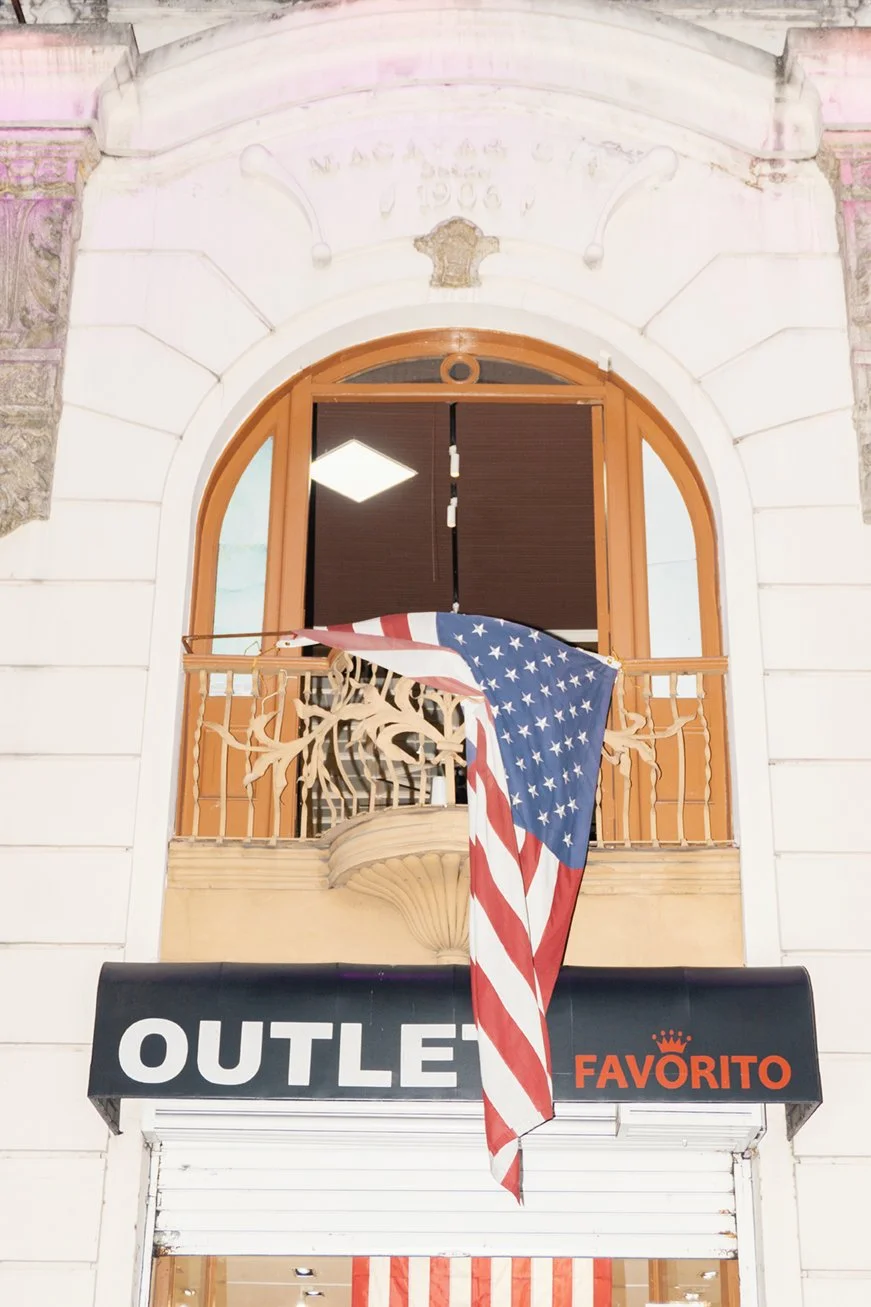
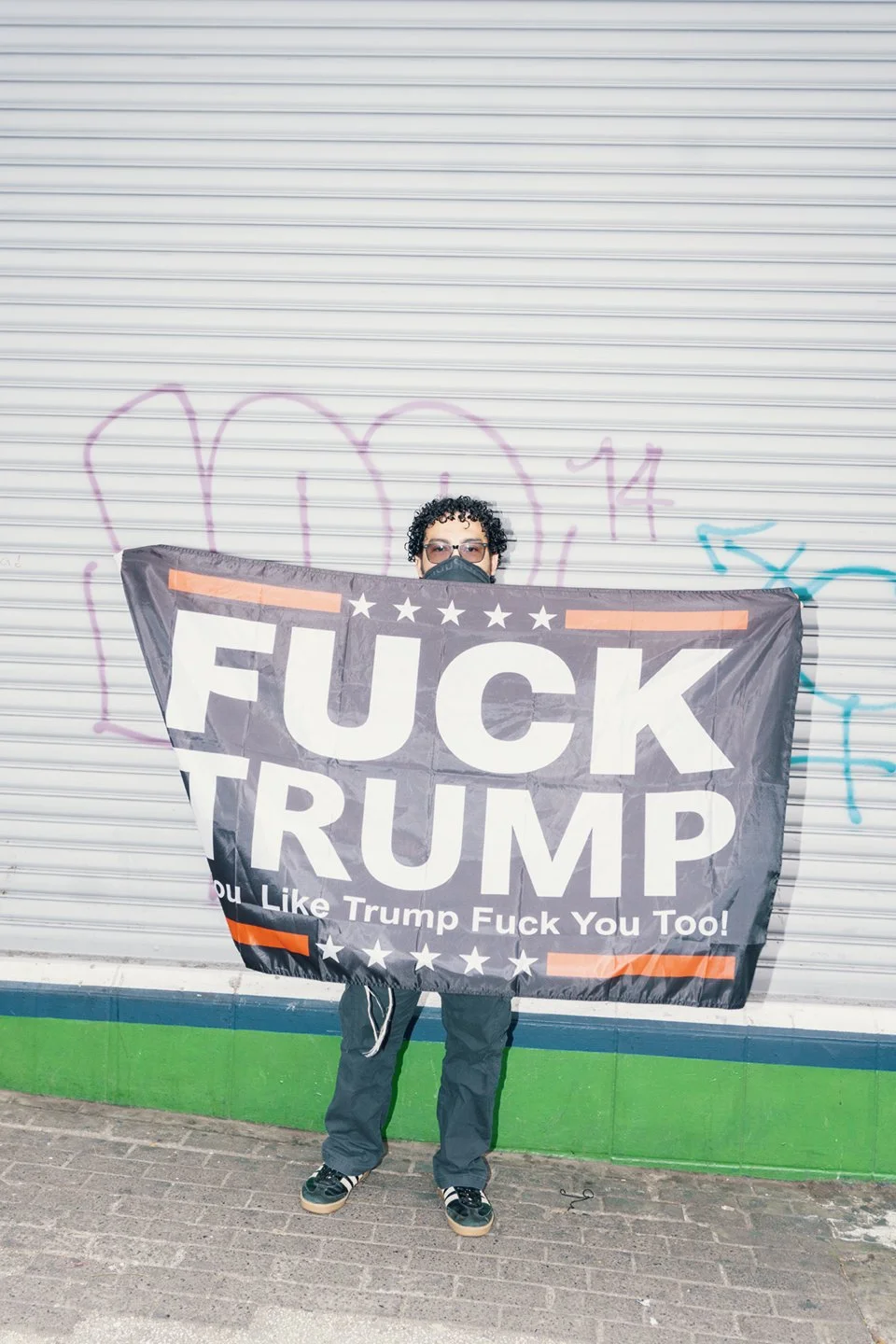
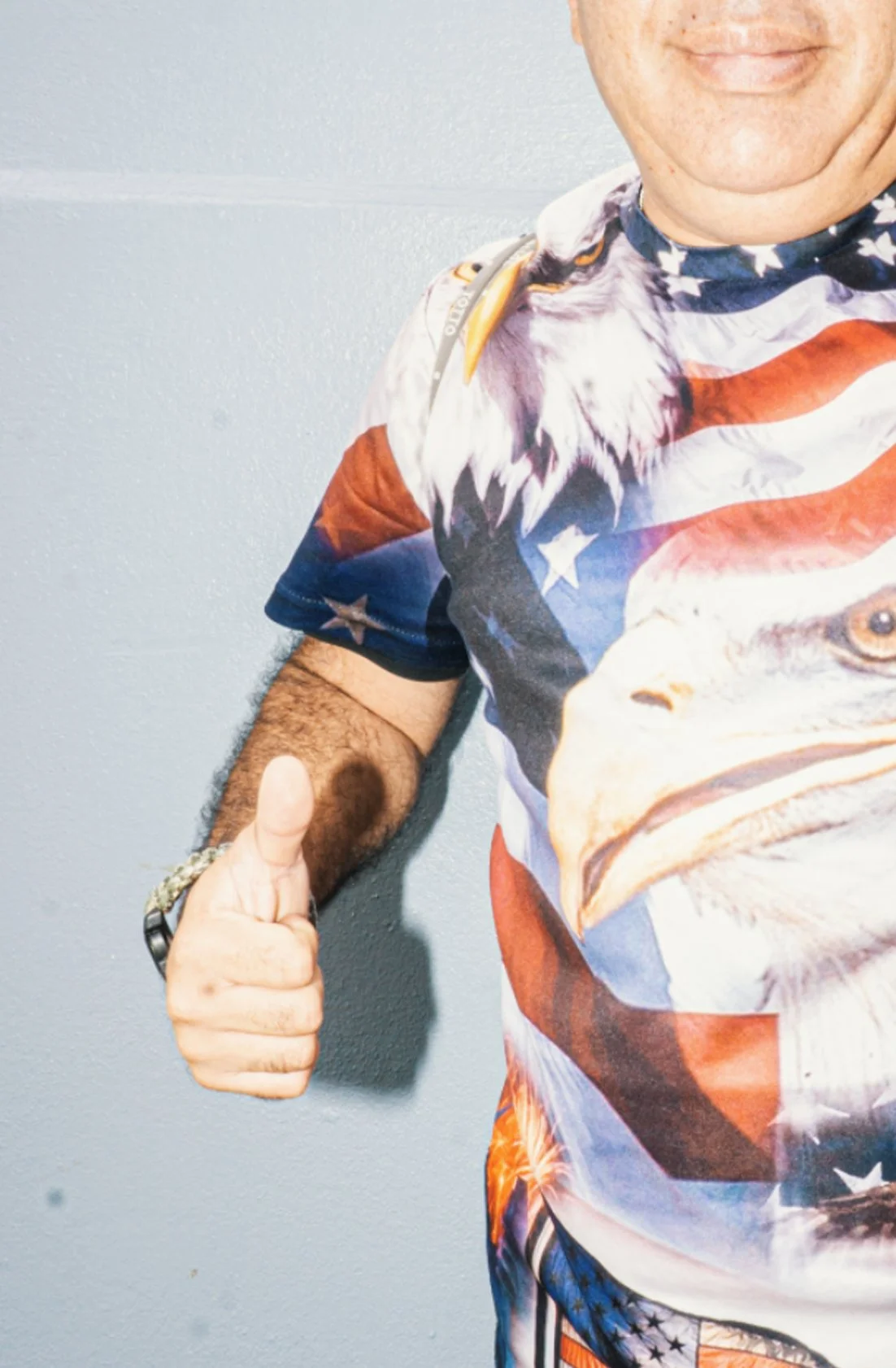
A) U.S. resident in his apartment in the city, with a U.S. Marine Corps flag in San José, Costa Rica. The presence of U.S. citizens including former military personnel who settle in the country and display American flags or military insignia is becoming increasingly noticeable.
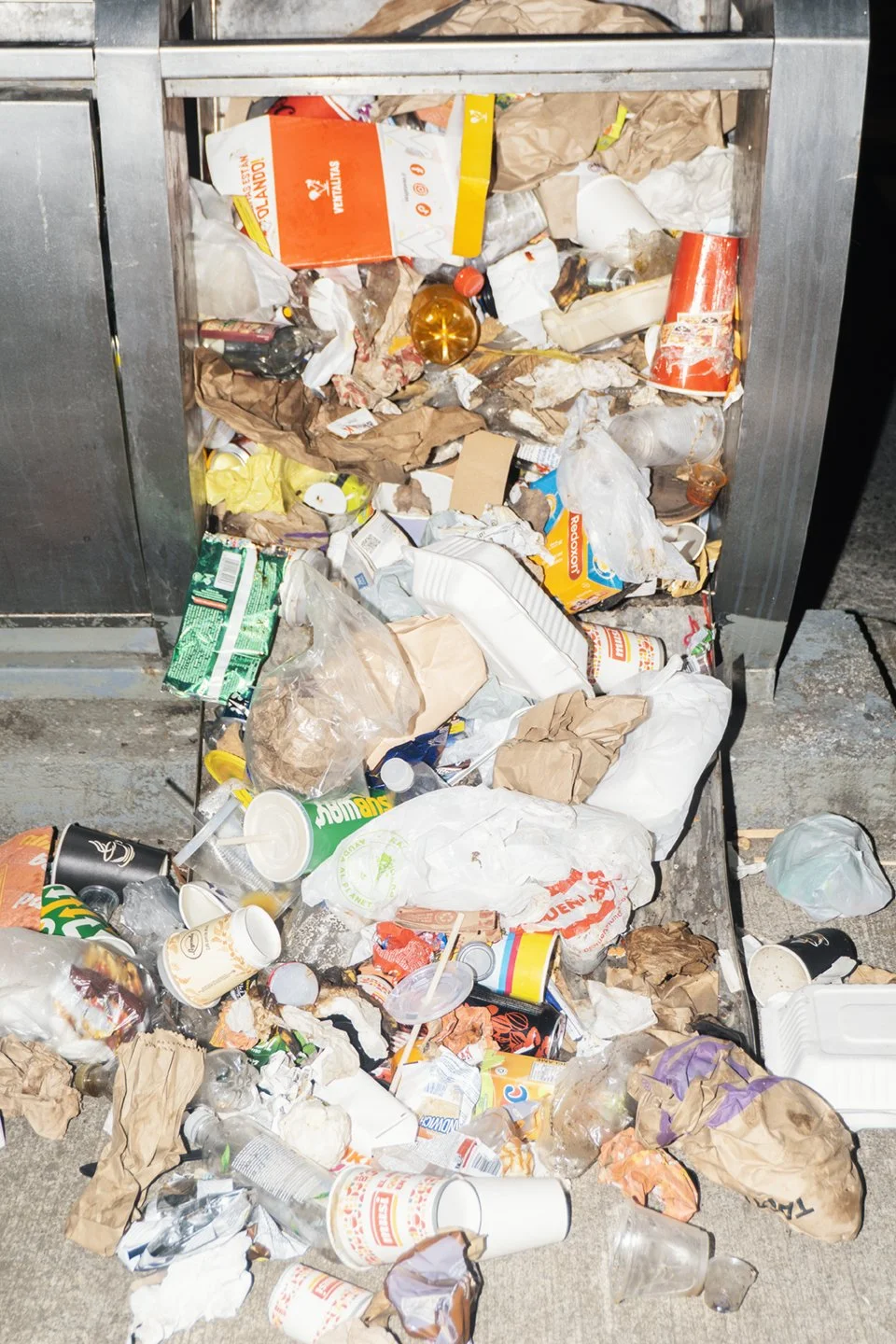
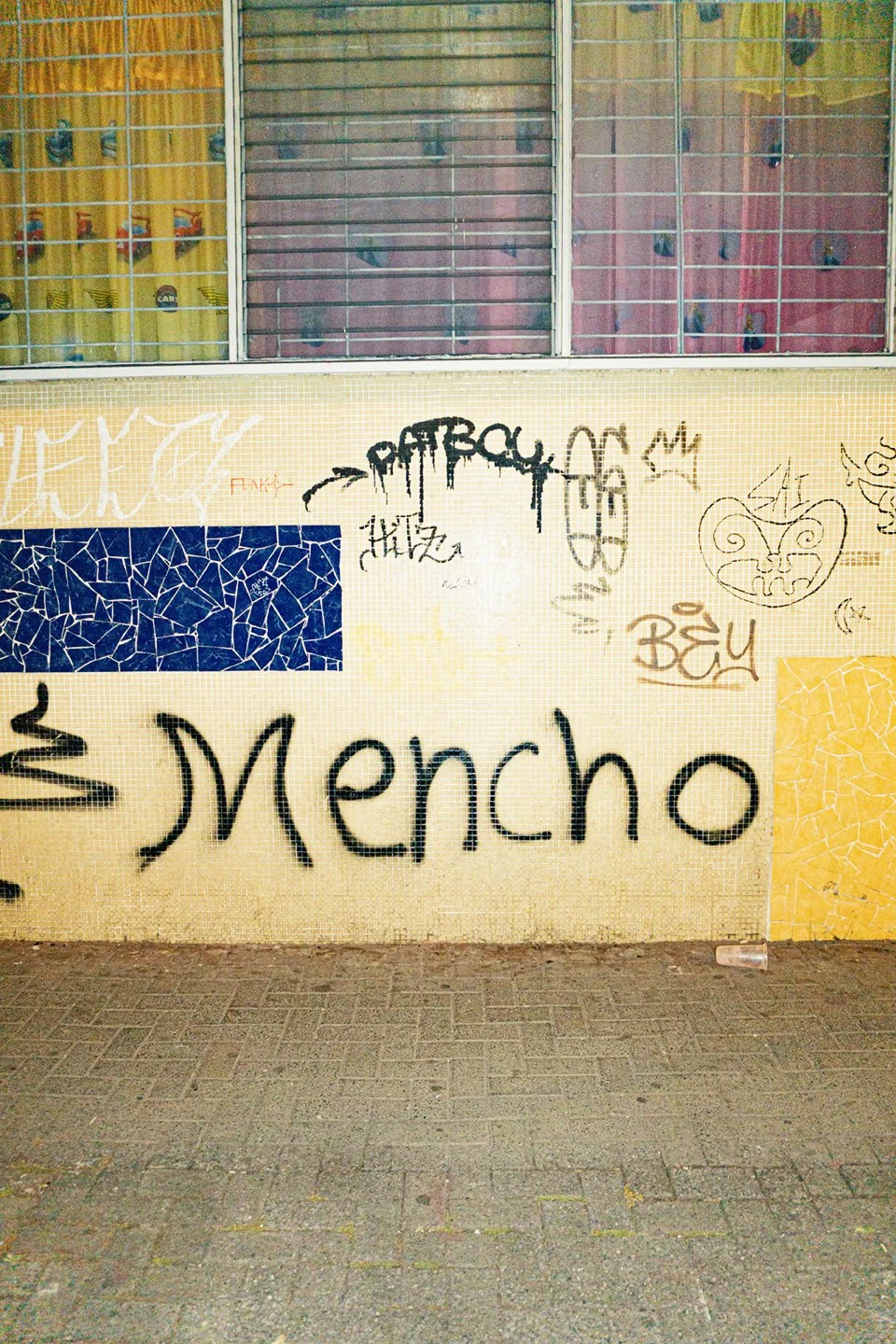
B) The Costa Rican Chamber of Commerce (CCCR) has denounced that drug trafficking and organized crime networks are using so-called "box outlets" as a platform for money laundering and generating illicit income. According to authorities and the business sector, these businesses take advantage of high cash turnover and tax evasion schemes to integrate capital of dubious origin into the financial system.
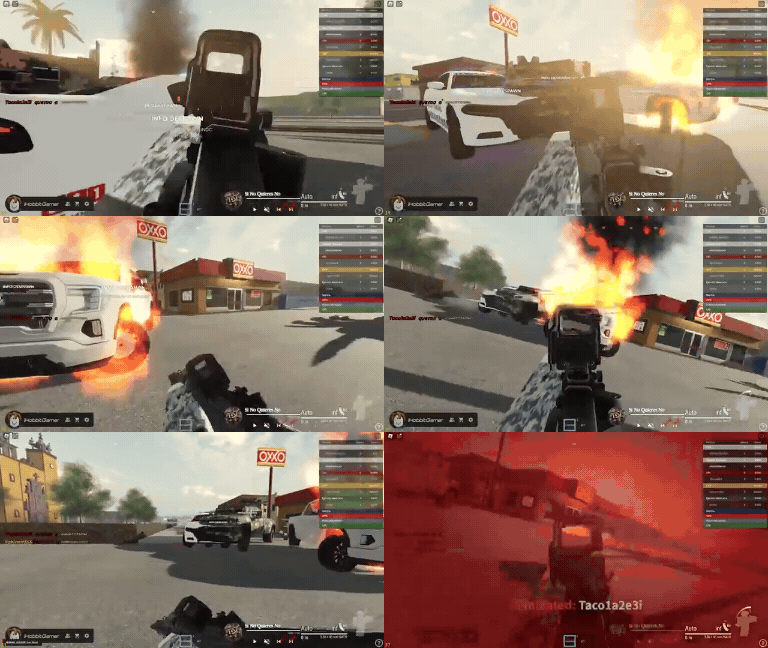
Prosecutor's office warns that organized crime is using games like Roblox and Fortnite to recruit hitmen and drug dealers for 'expensive' schools in Costa Rica, training them for Narco Cartels.