This is an ongoing and long-term project, supported by the Magnum Foundation Counter Histories Fellowship.
What is Peel It Good?
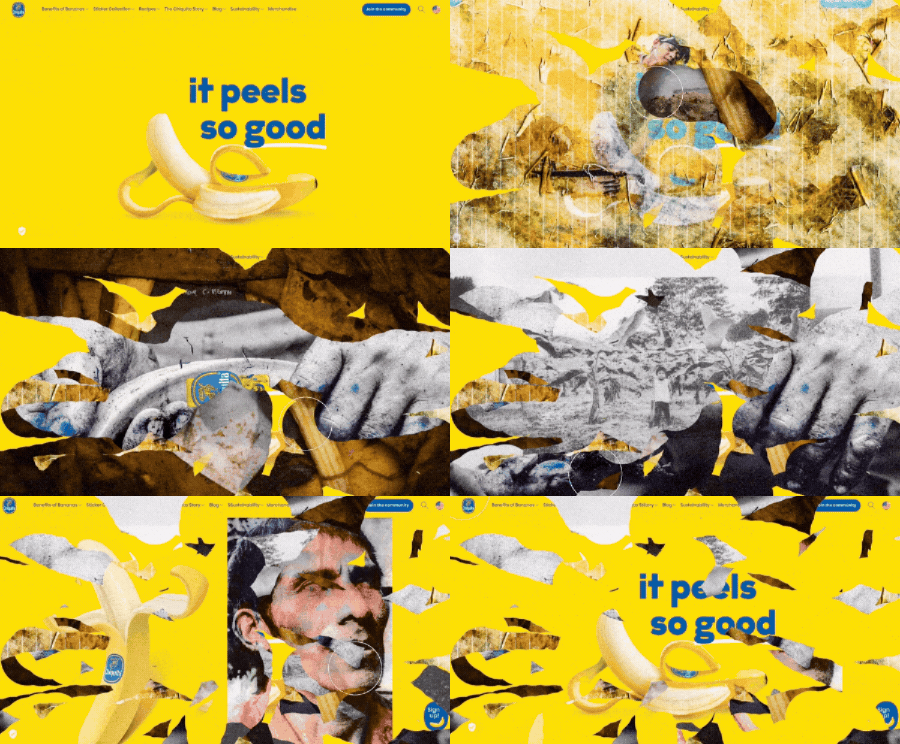
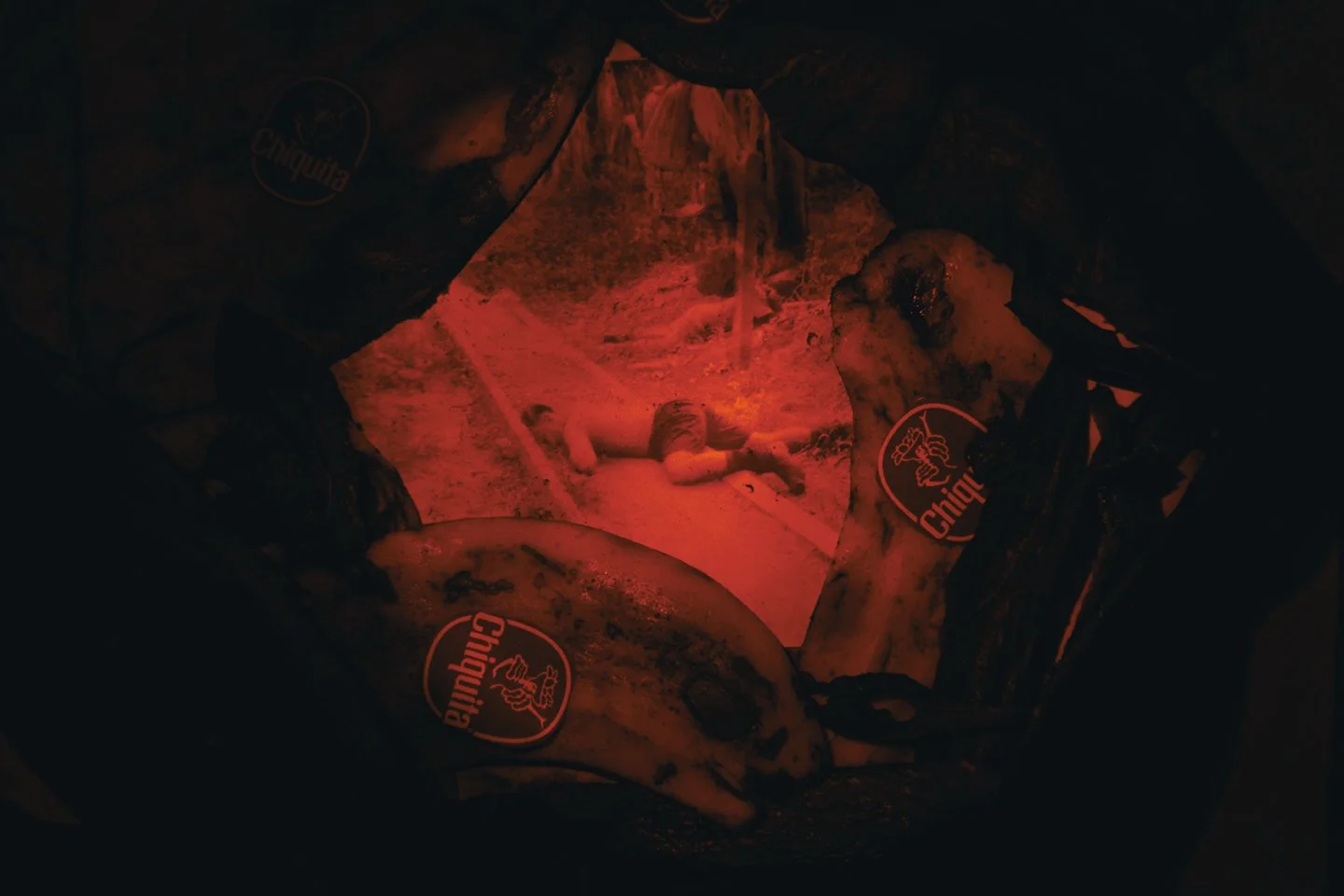
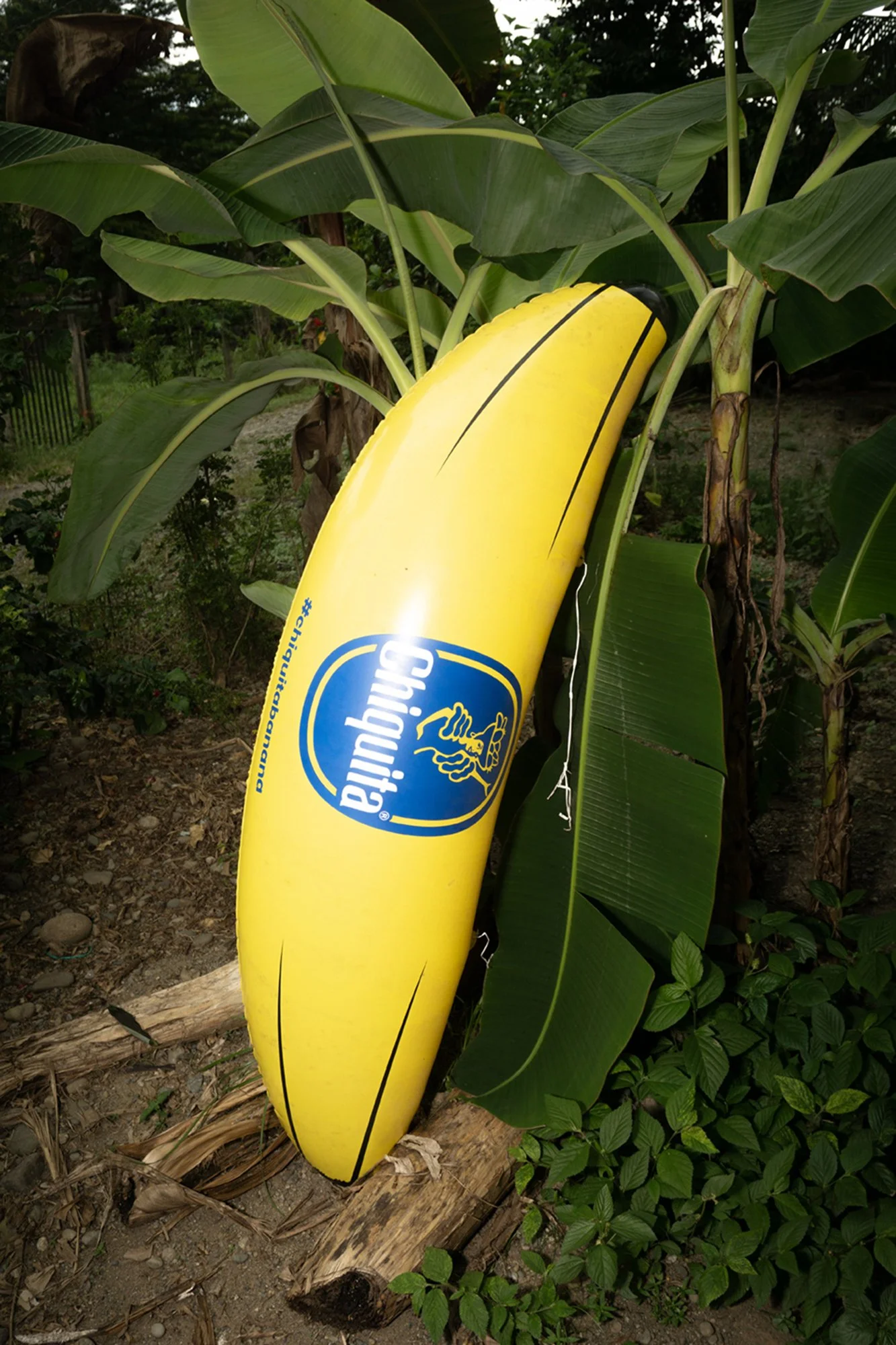
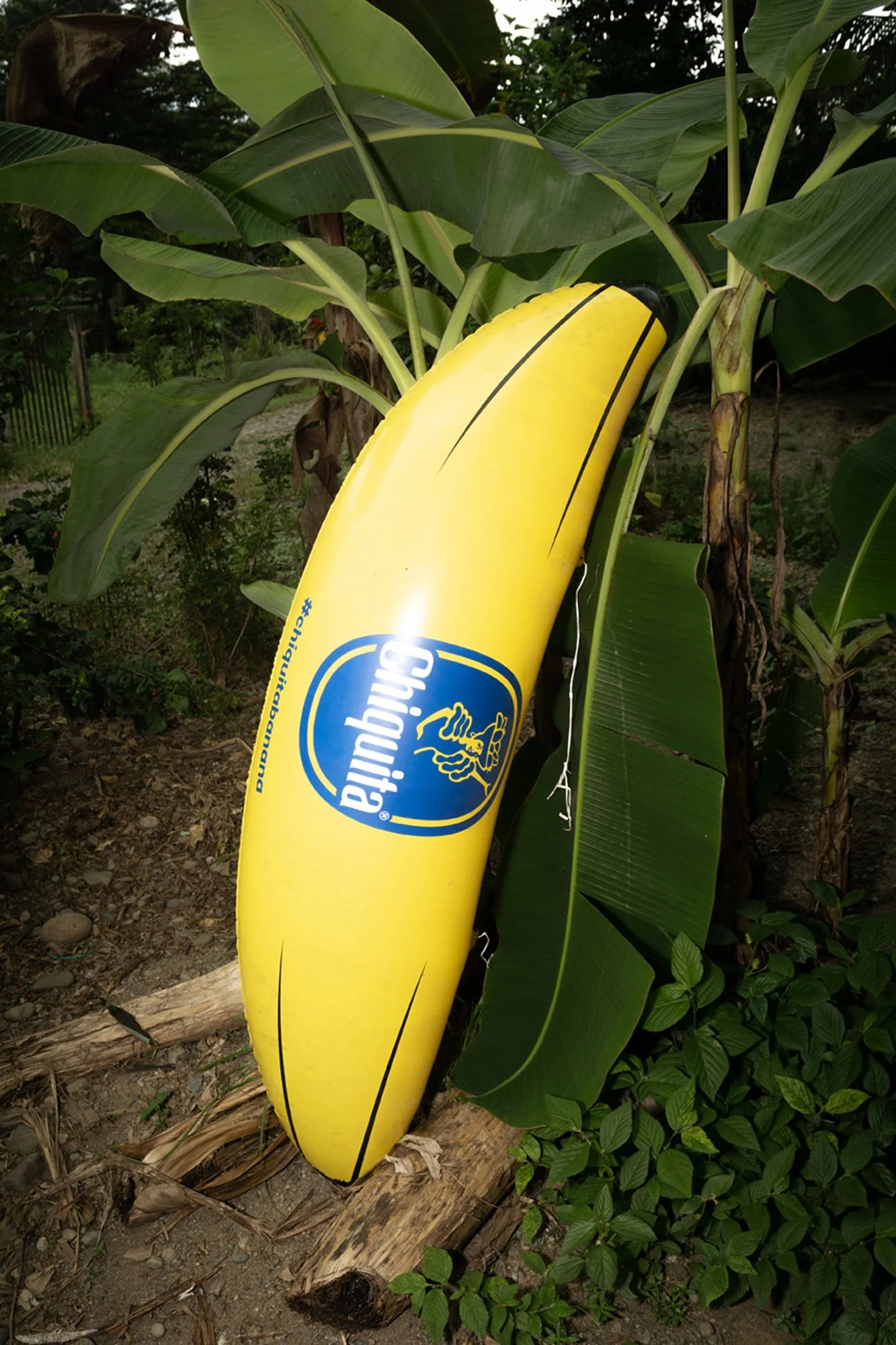
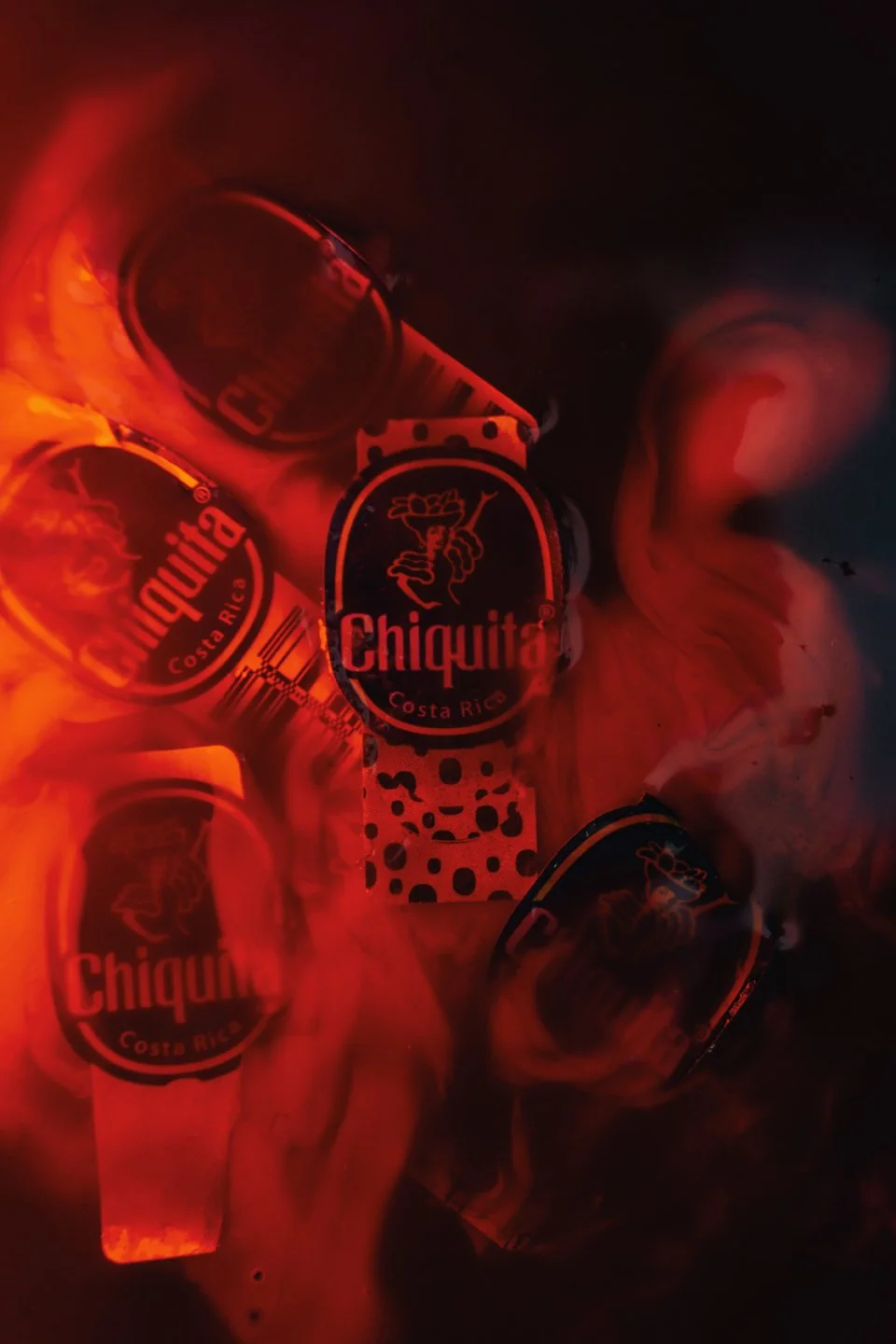
Peel It Good borrows its name from the glossy marketing slogan printed on Chiquita banana stickers, instructing consumers how to peel a banana “correctly”: gently, from top to bottom, without resistance. This project rejects that smooth instruction. Instead, it peels forcefully, layer by layer, through the banana’s history, refusing the ease with which its violence has been concealed.
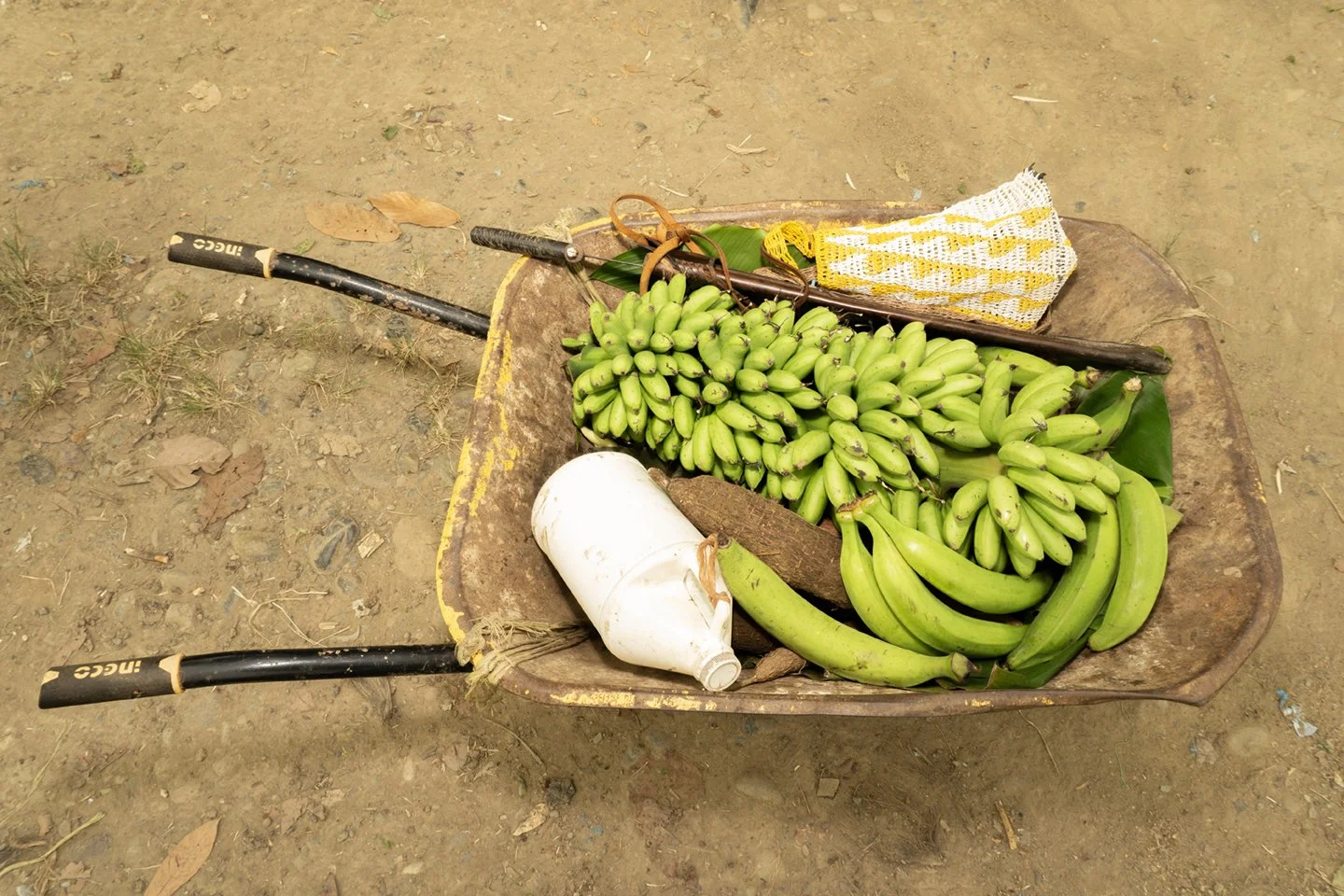
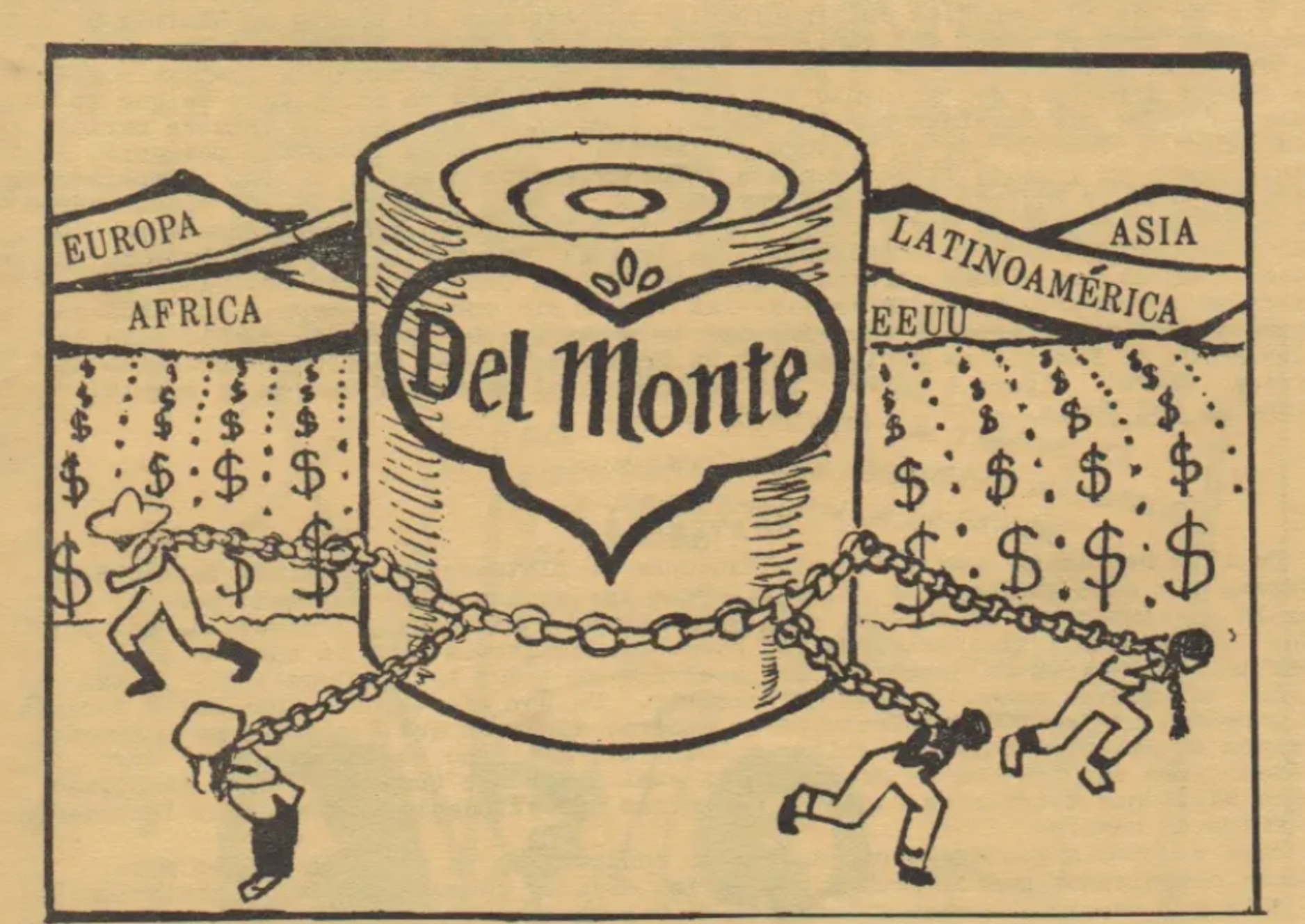
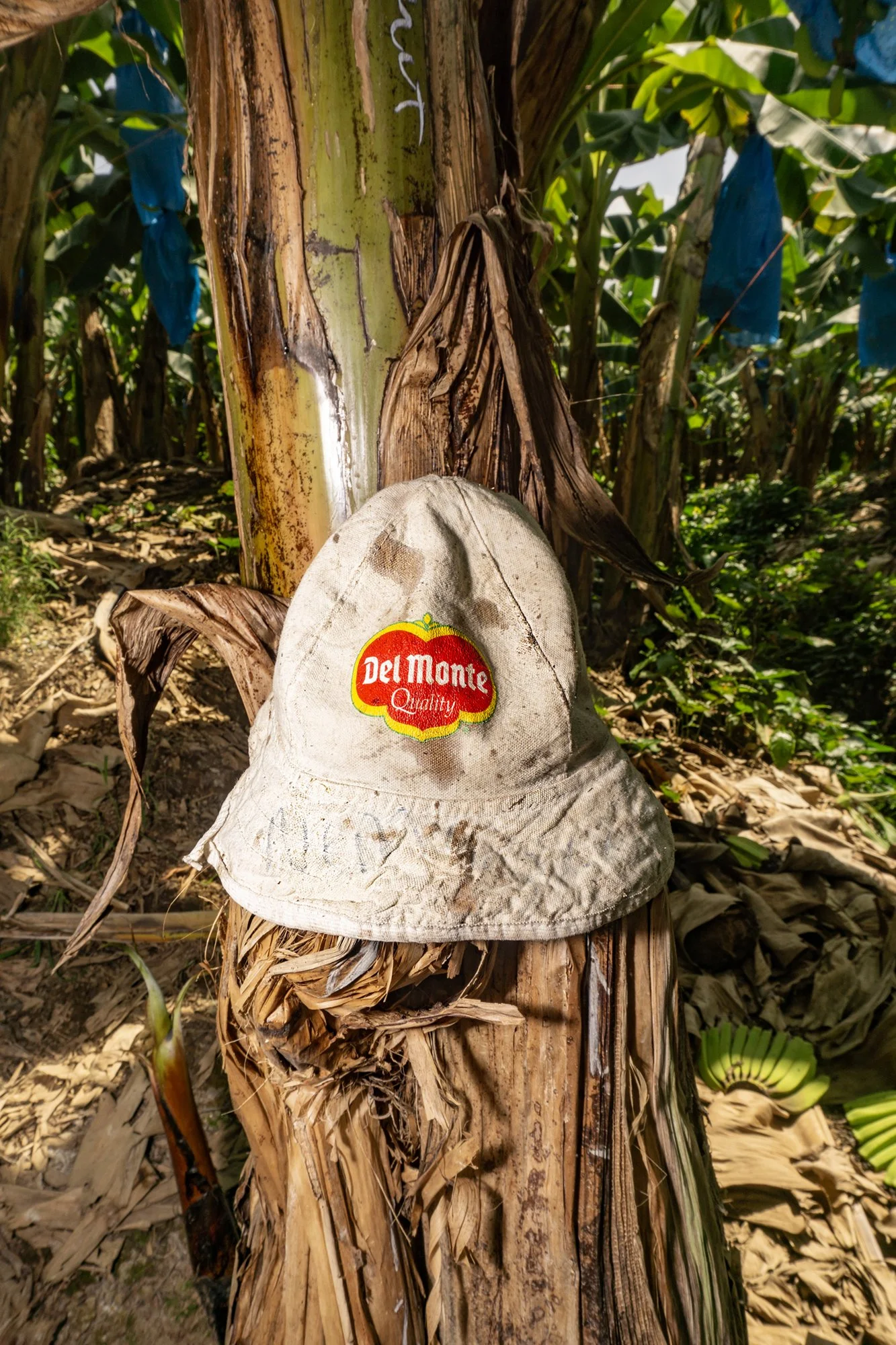
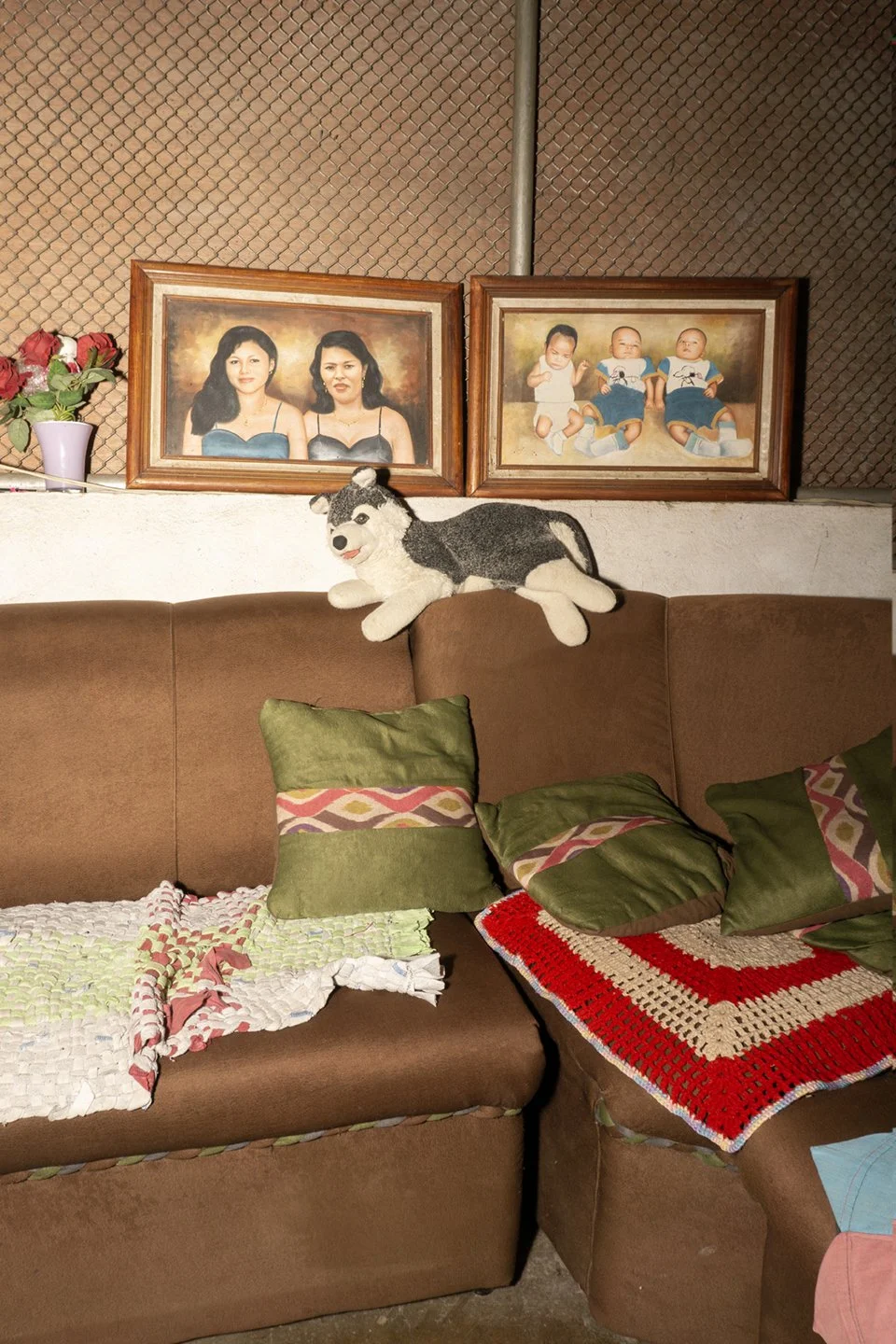
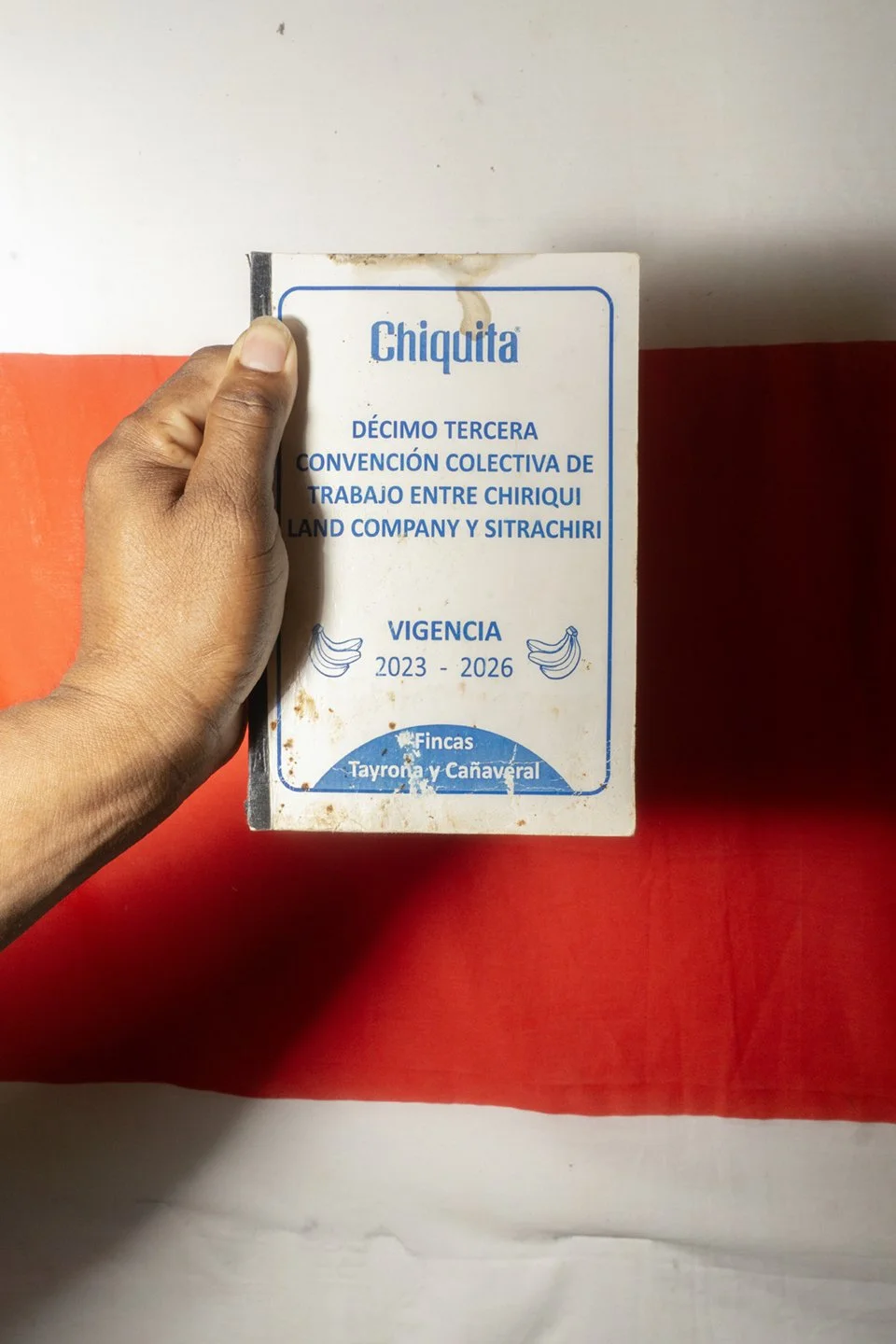
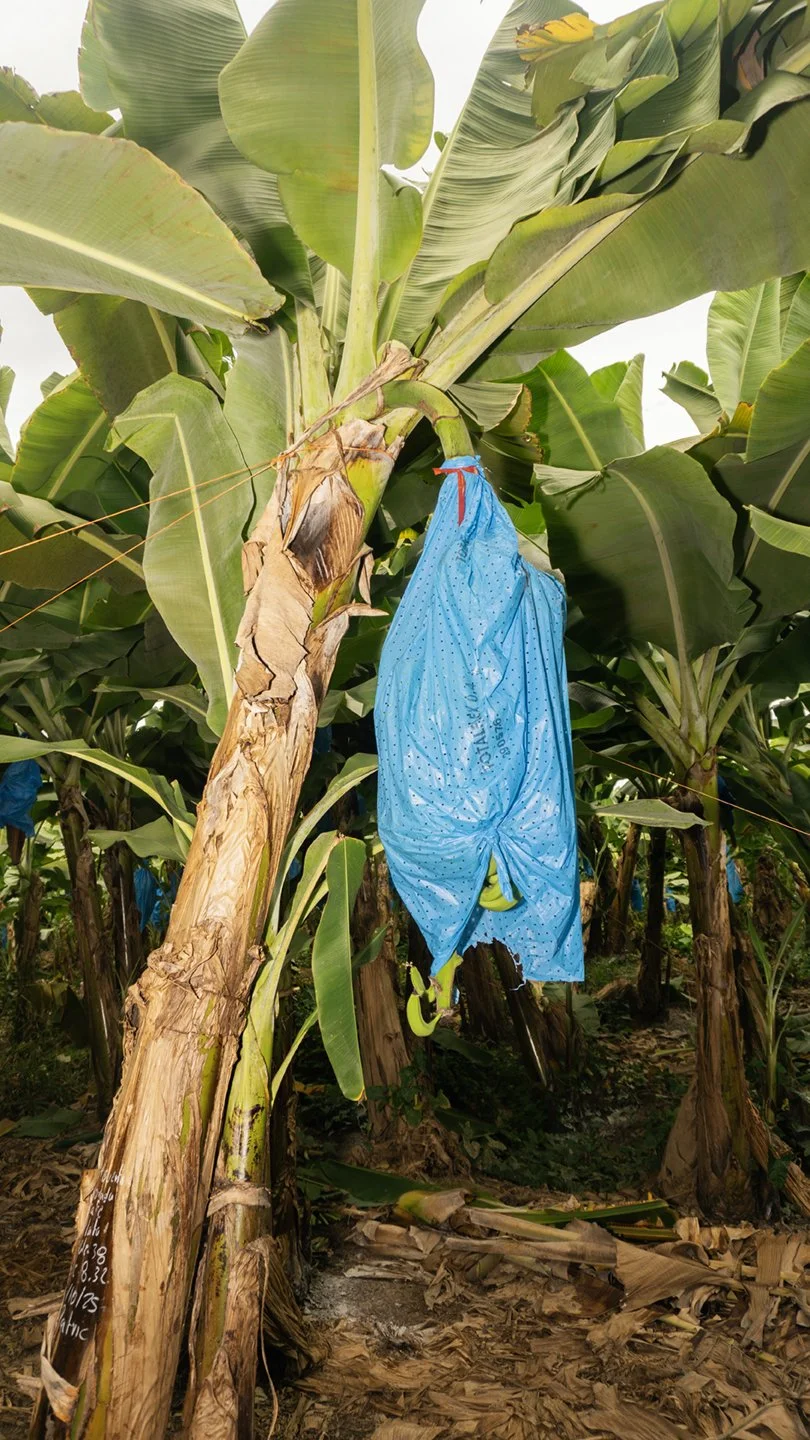
Costa Rica is internationally celebrated as a tropical paradise, synonymous with biodiversity, ecotourism, and environmental leadership. Yet beneath this image lies a history of exploitation that continues to shape both bodies and landscapes. The banana plantations that once thought symbolized progress and economic prosperity have produced a legacy of dispossession, environmental devastation, and bodily harm. This is not a closed chapter of the past, but the living outcome of a system established by the United Fruit Company and sustained today by transnational corporations such as Chiquita and Del Monte.
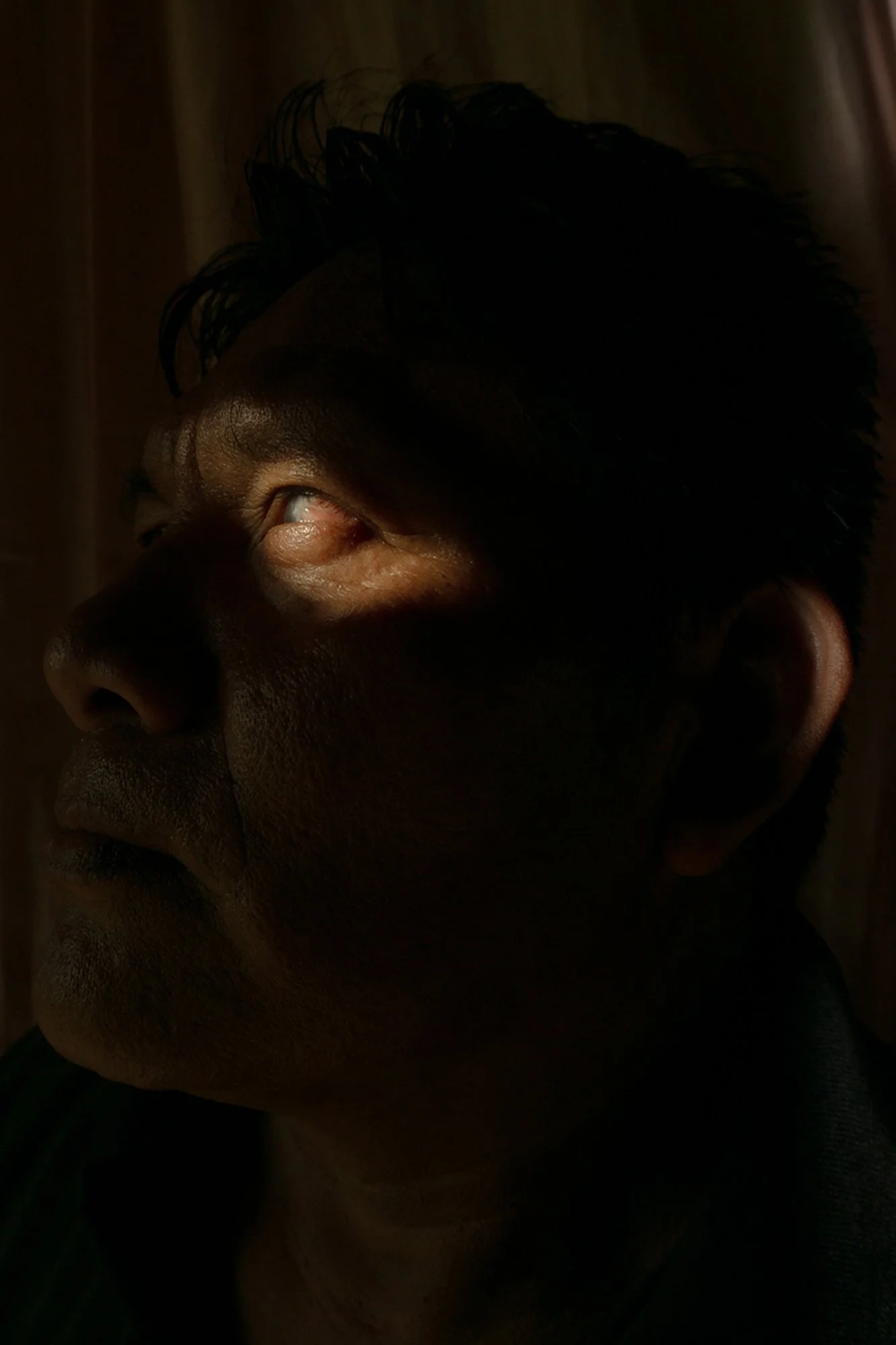
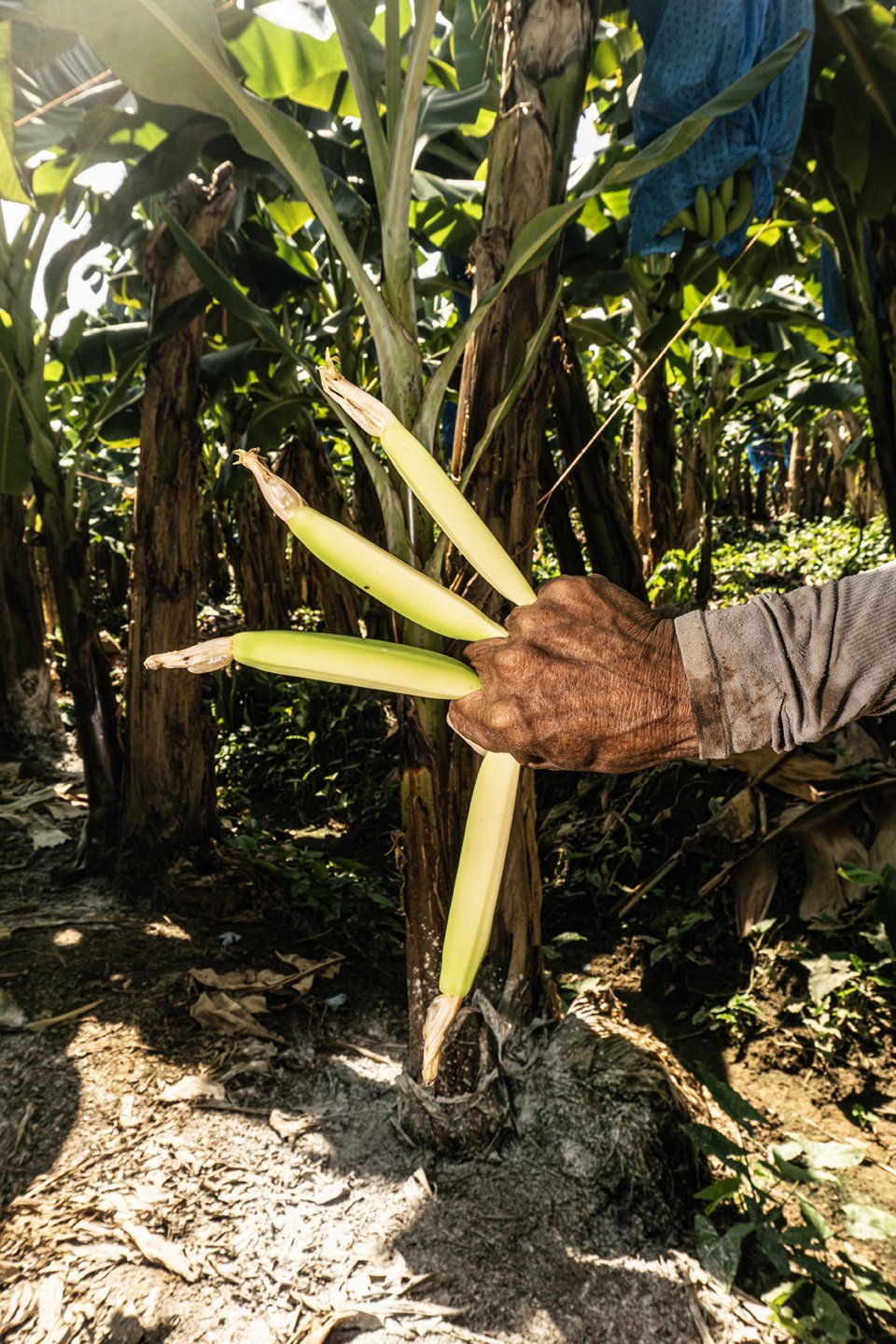
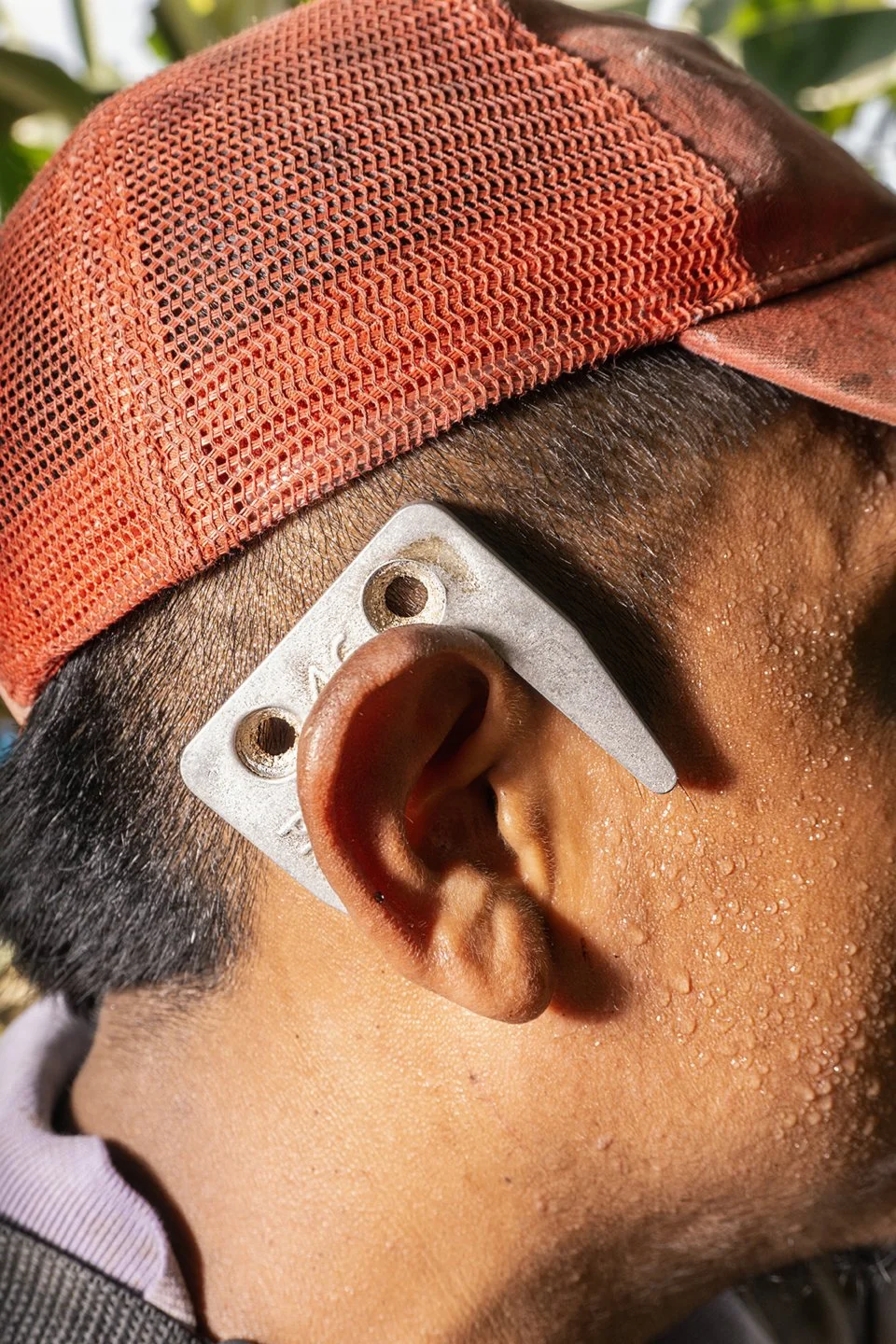
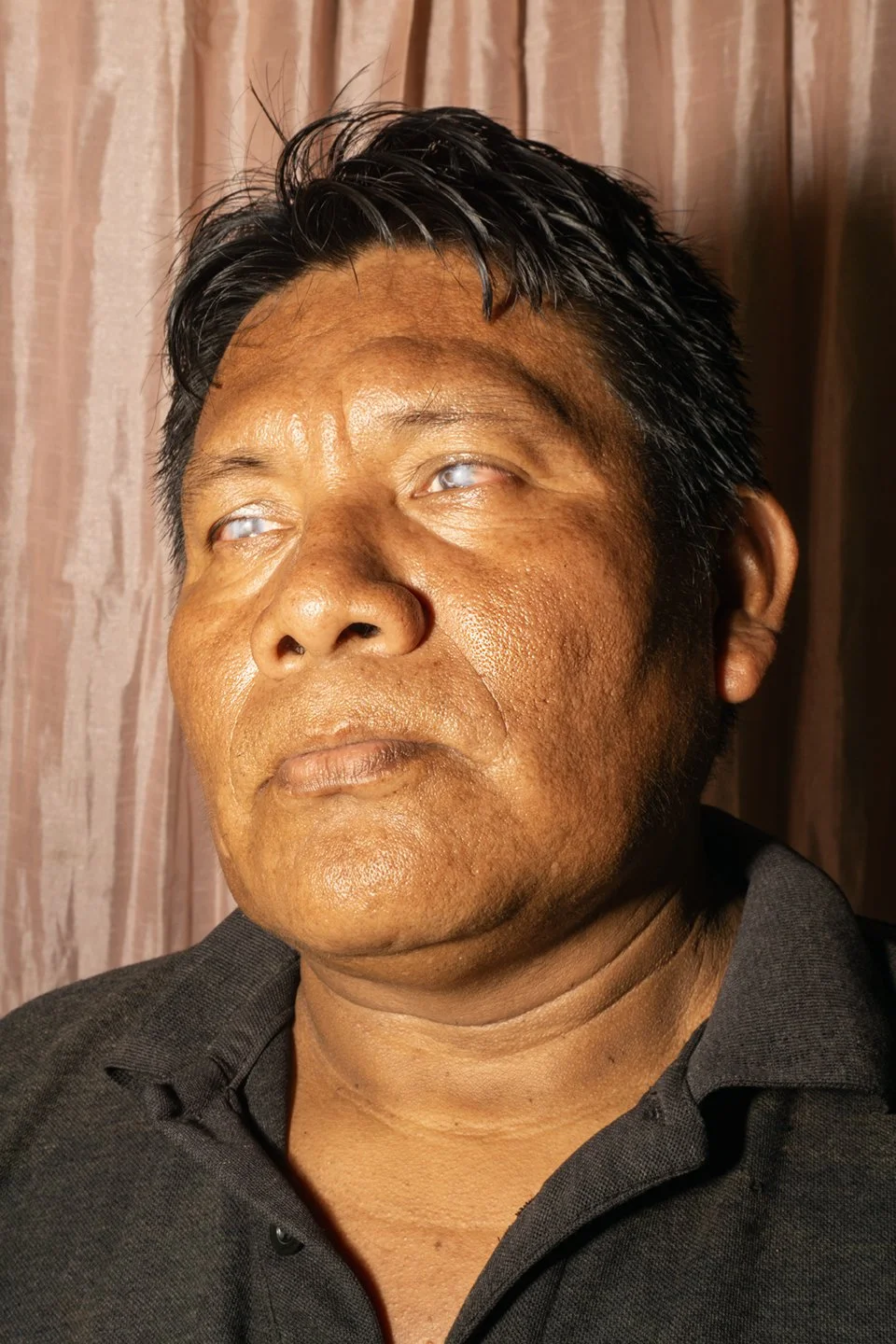
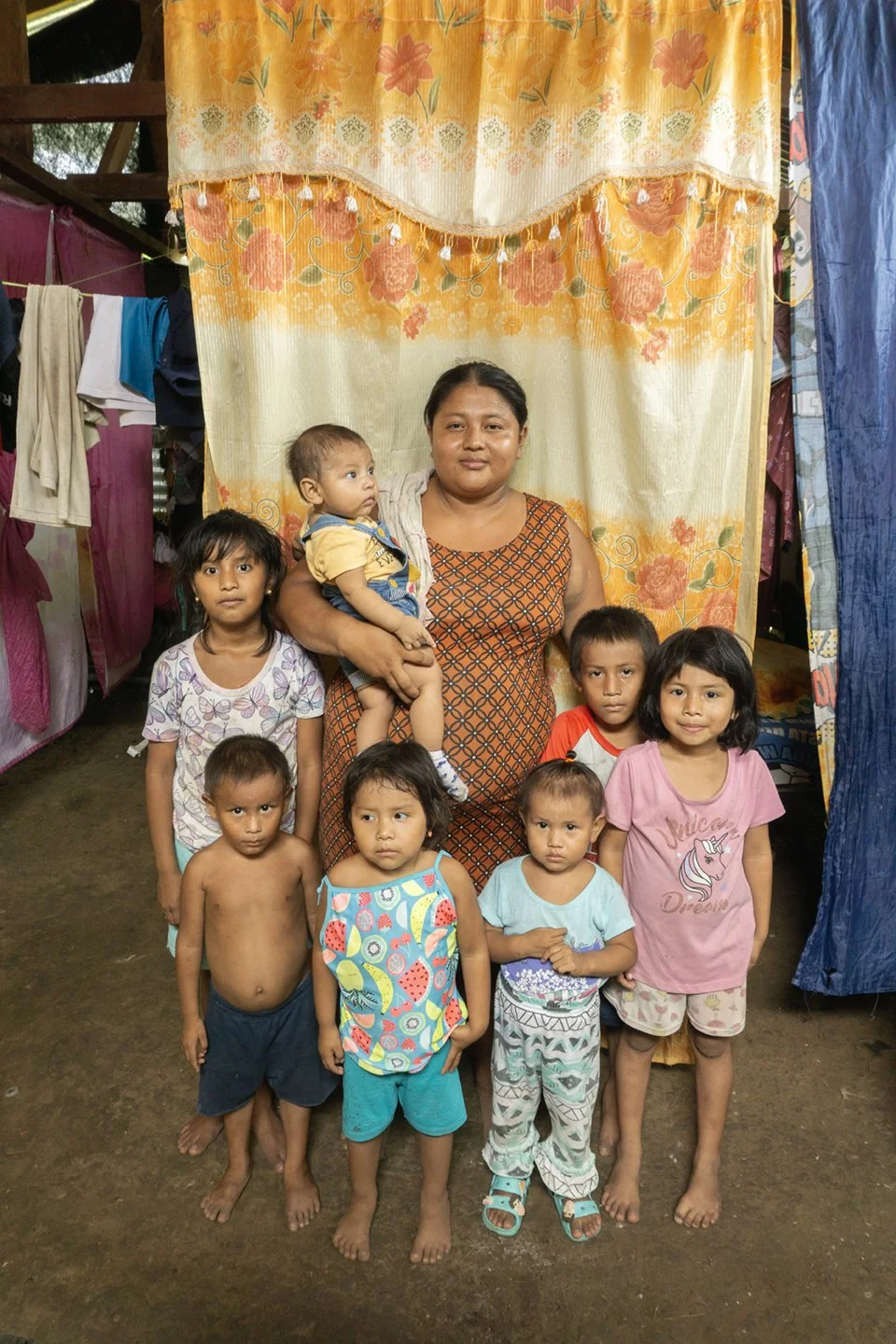
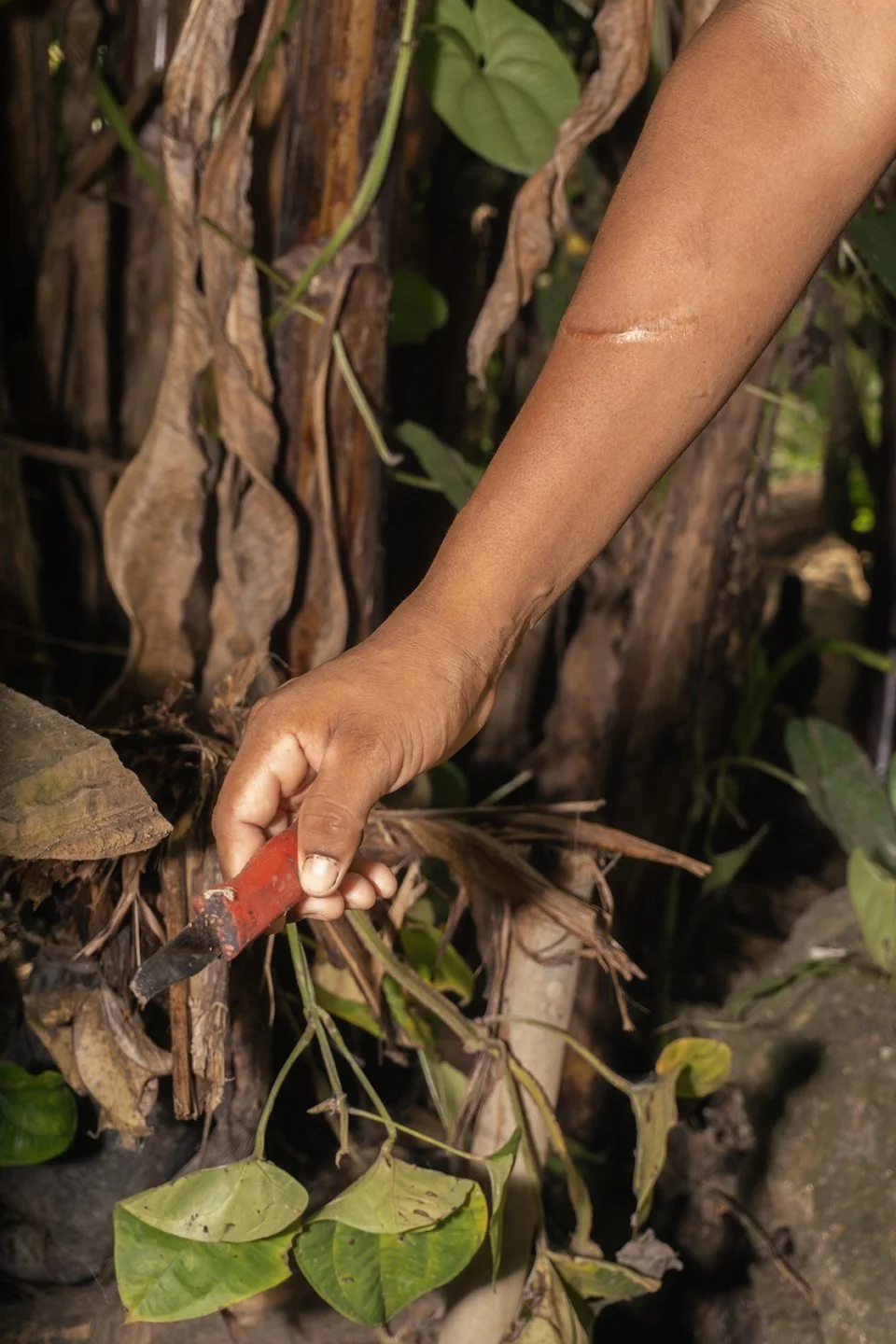
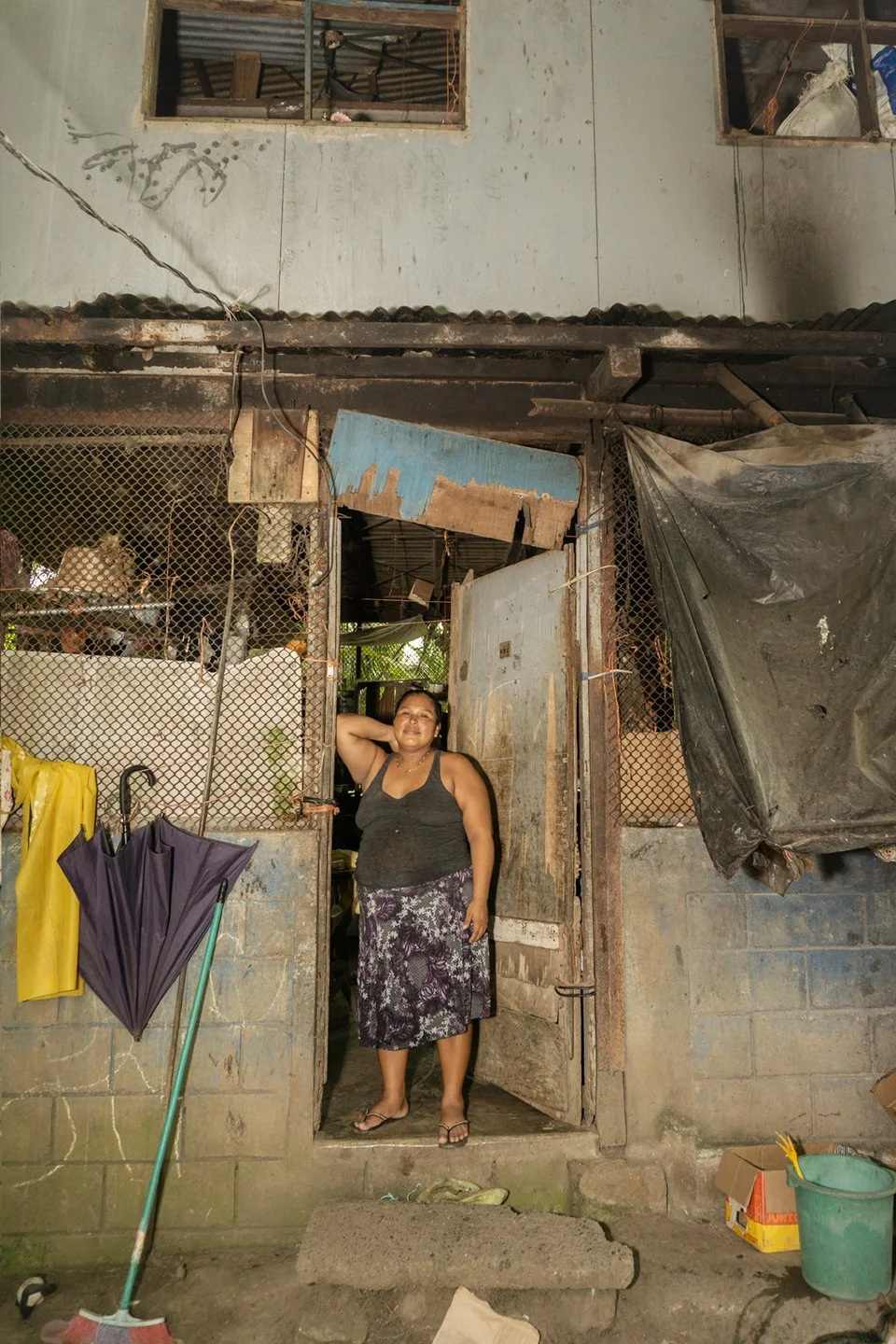
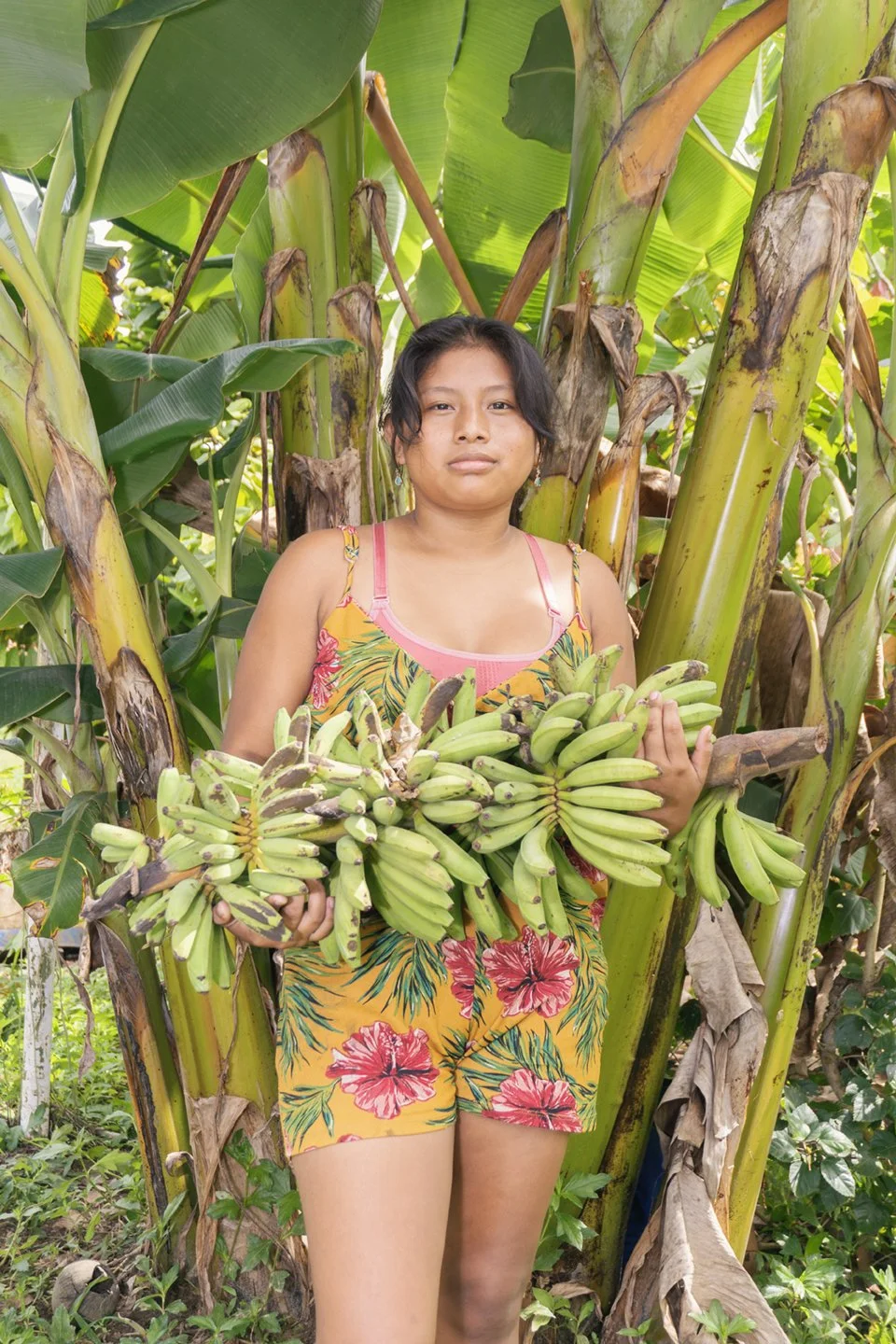
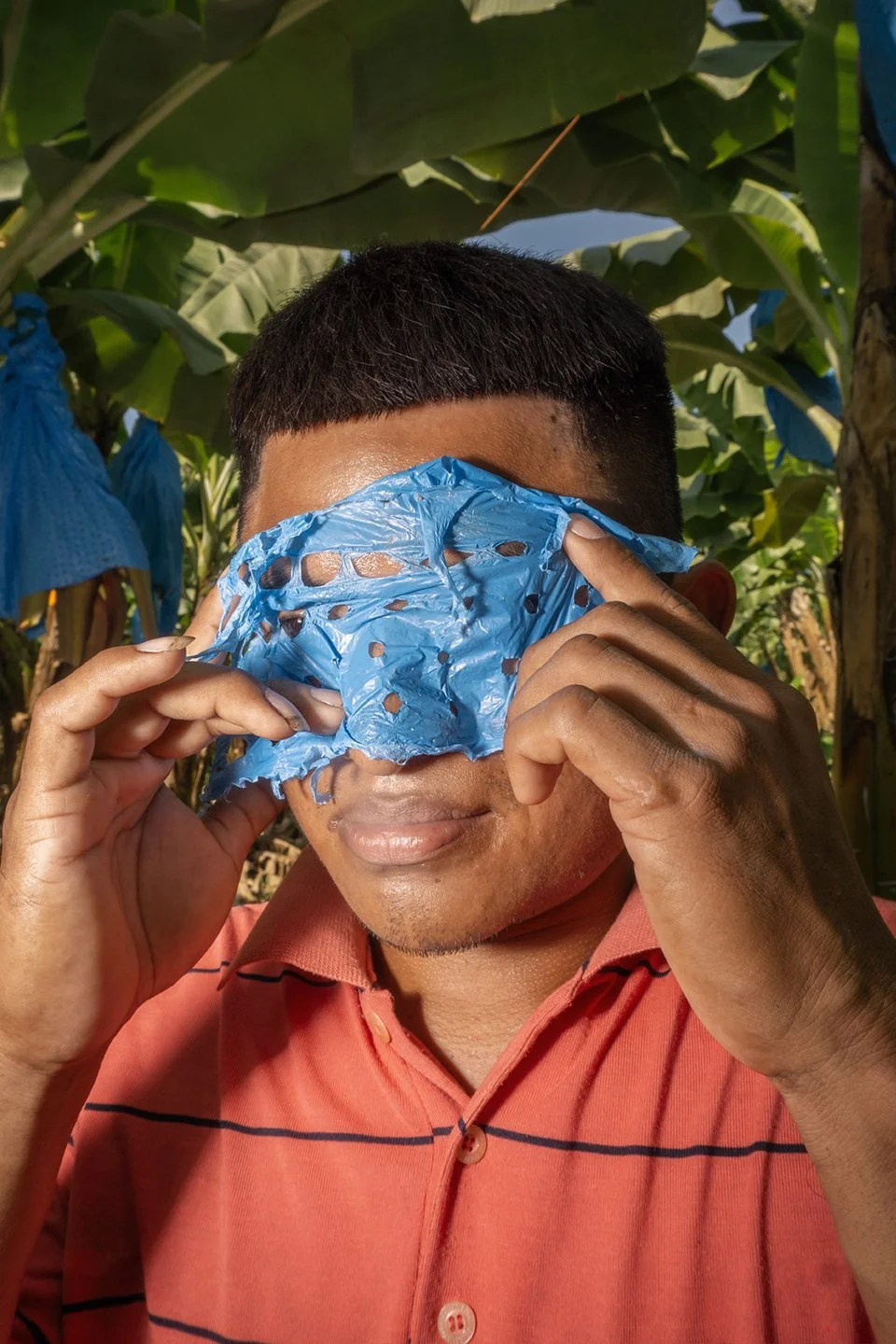
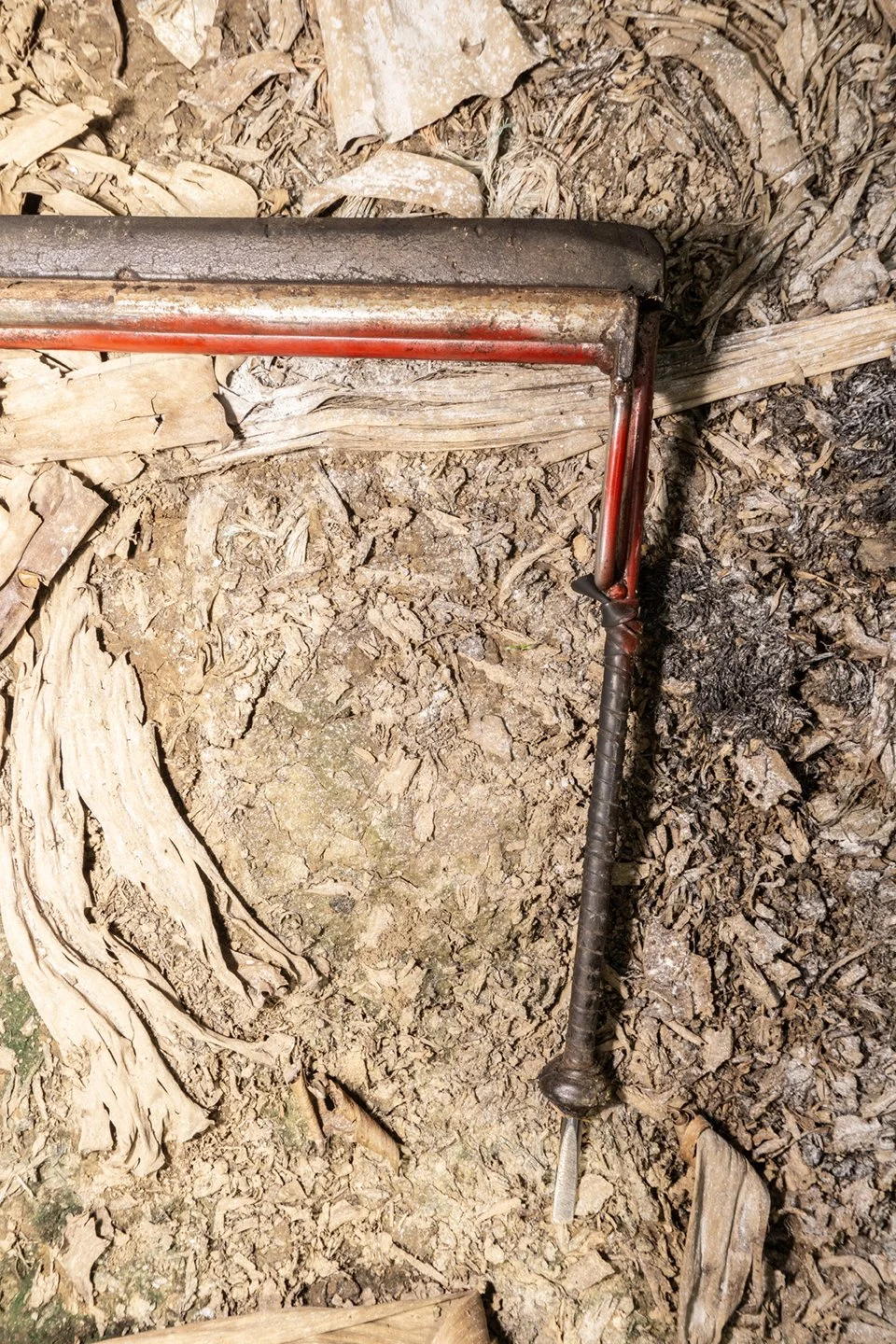
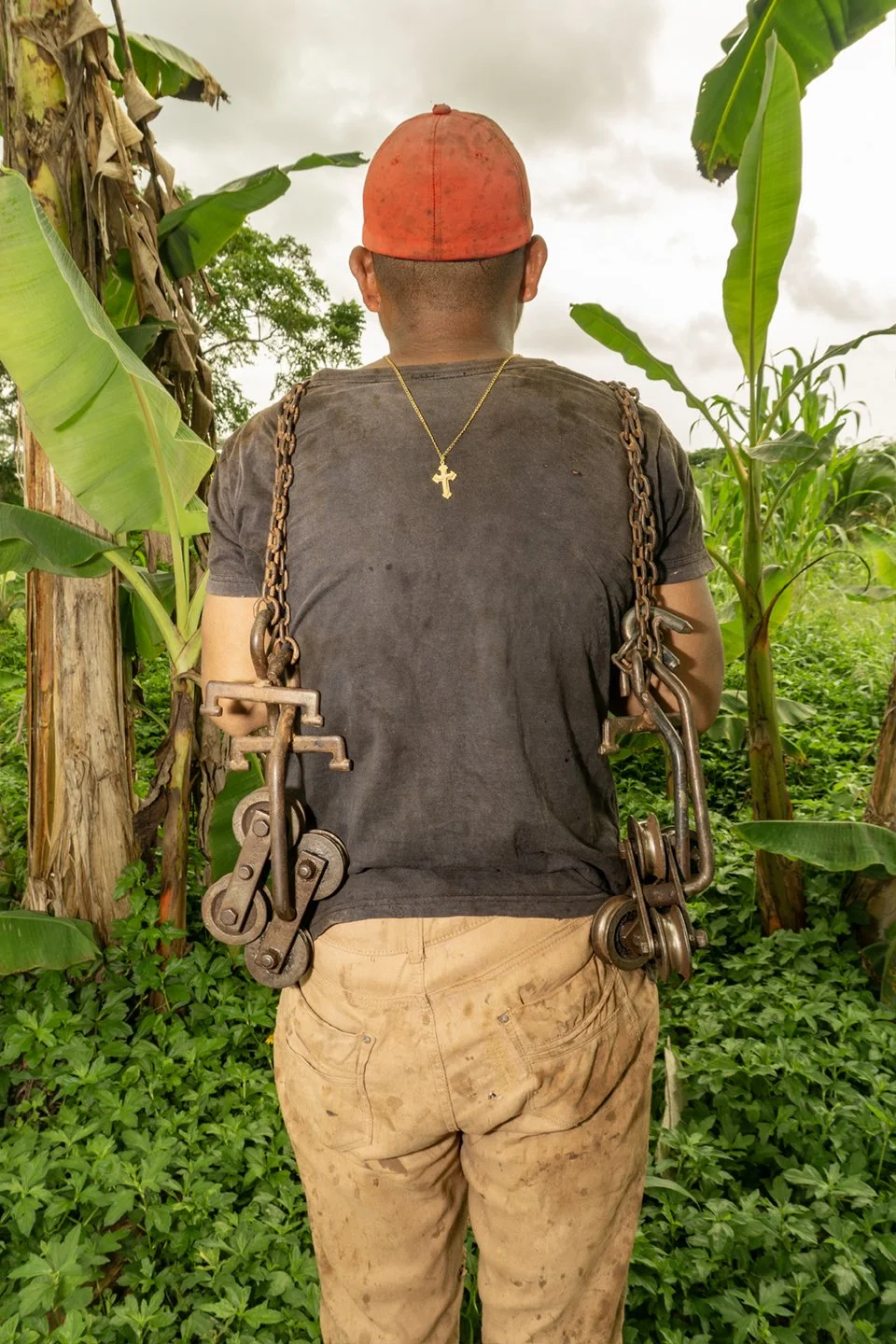
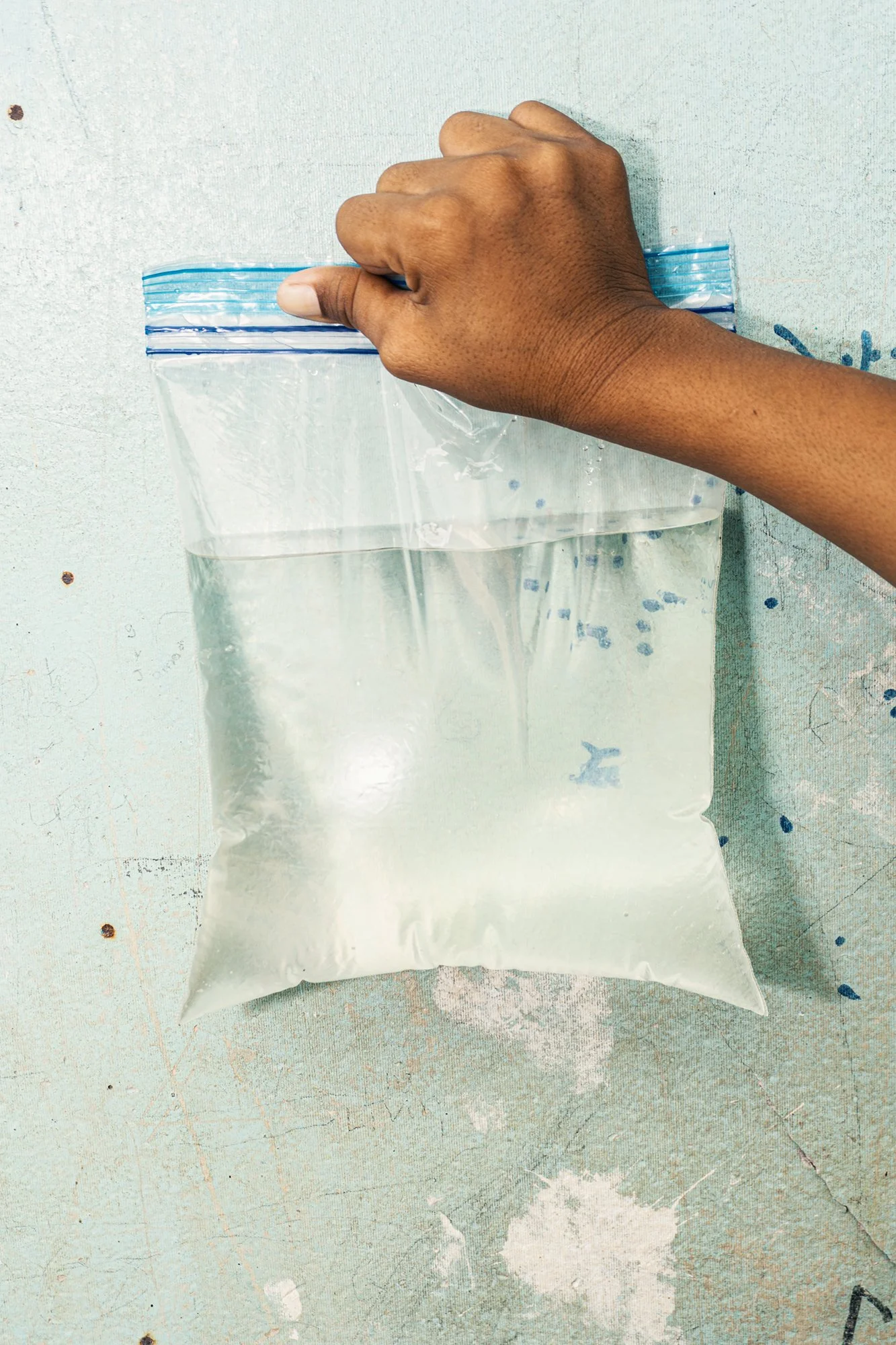
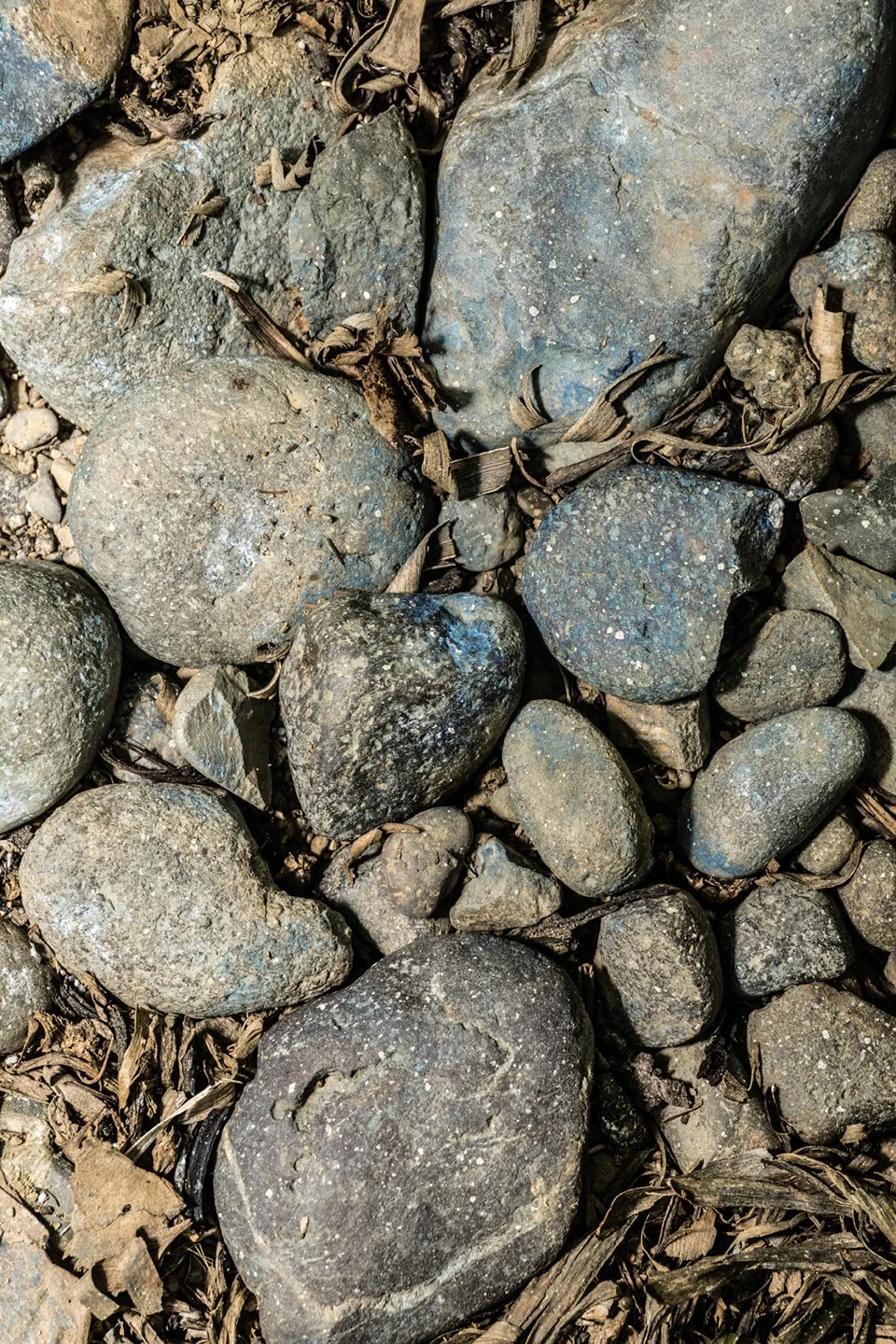
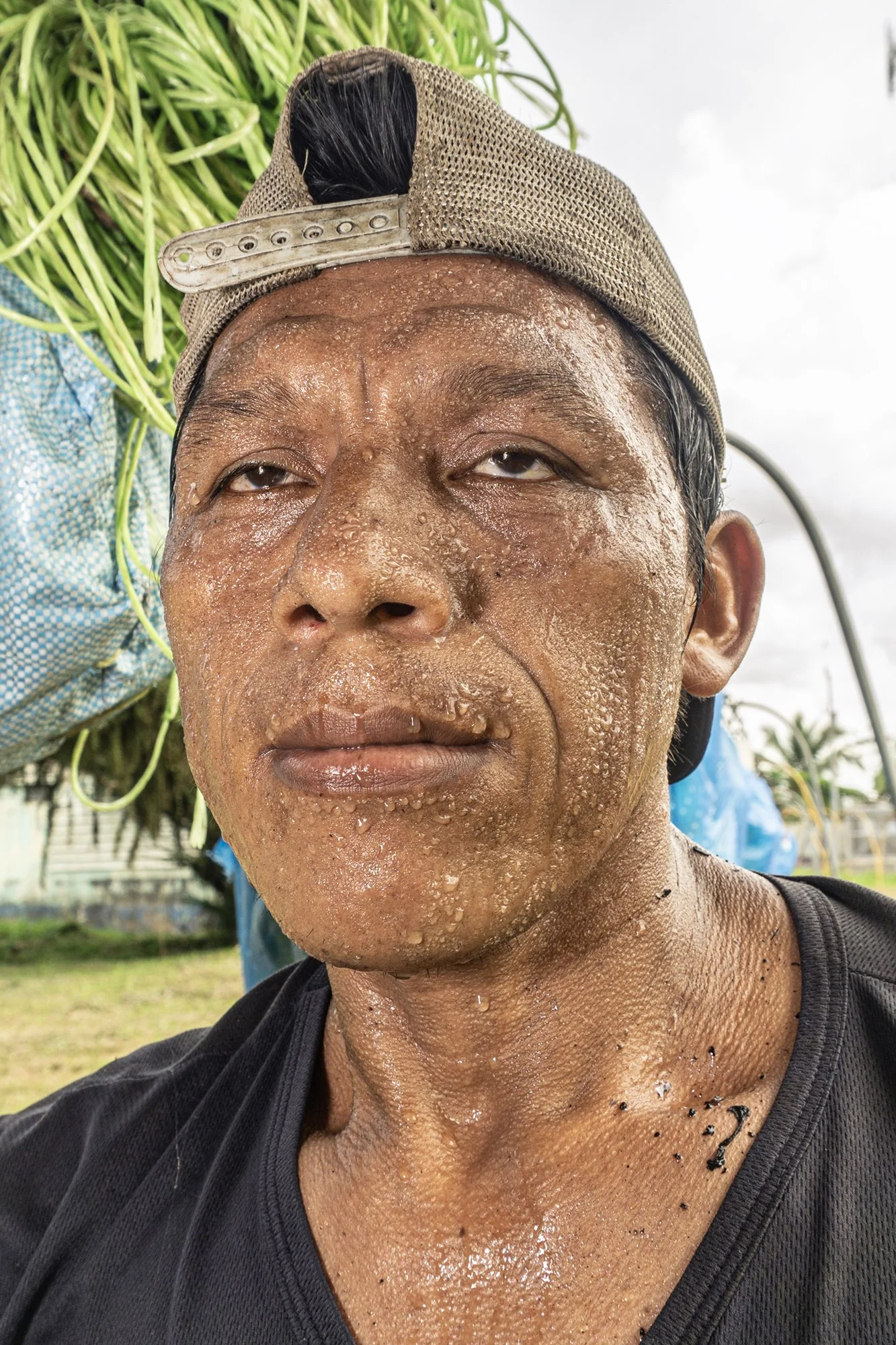
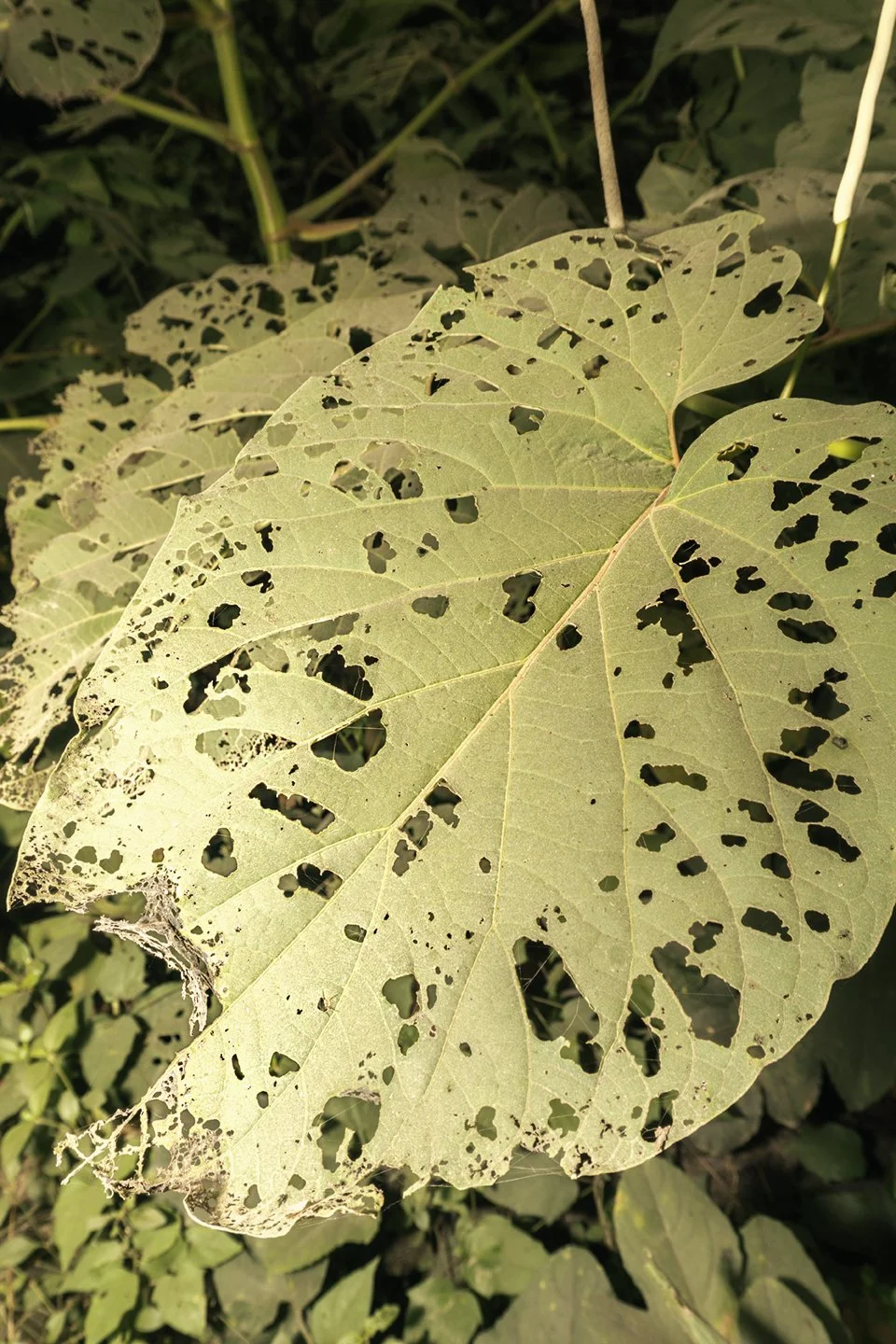
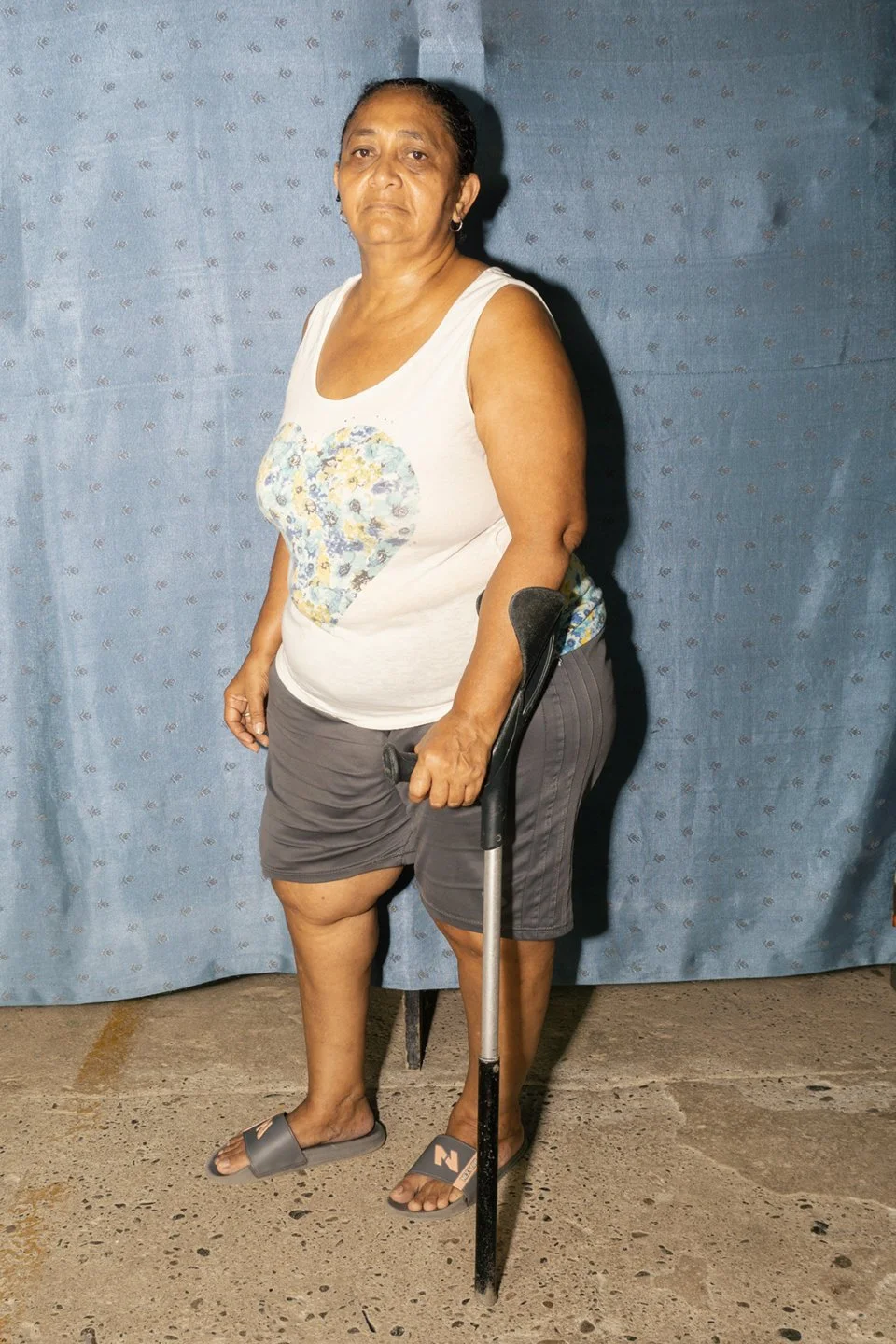
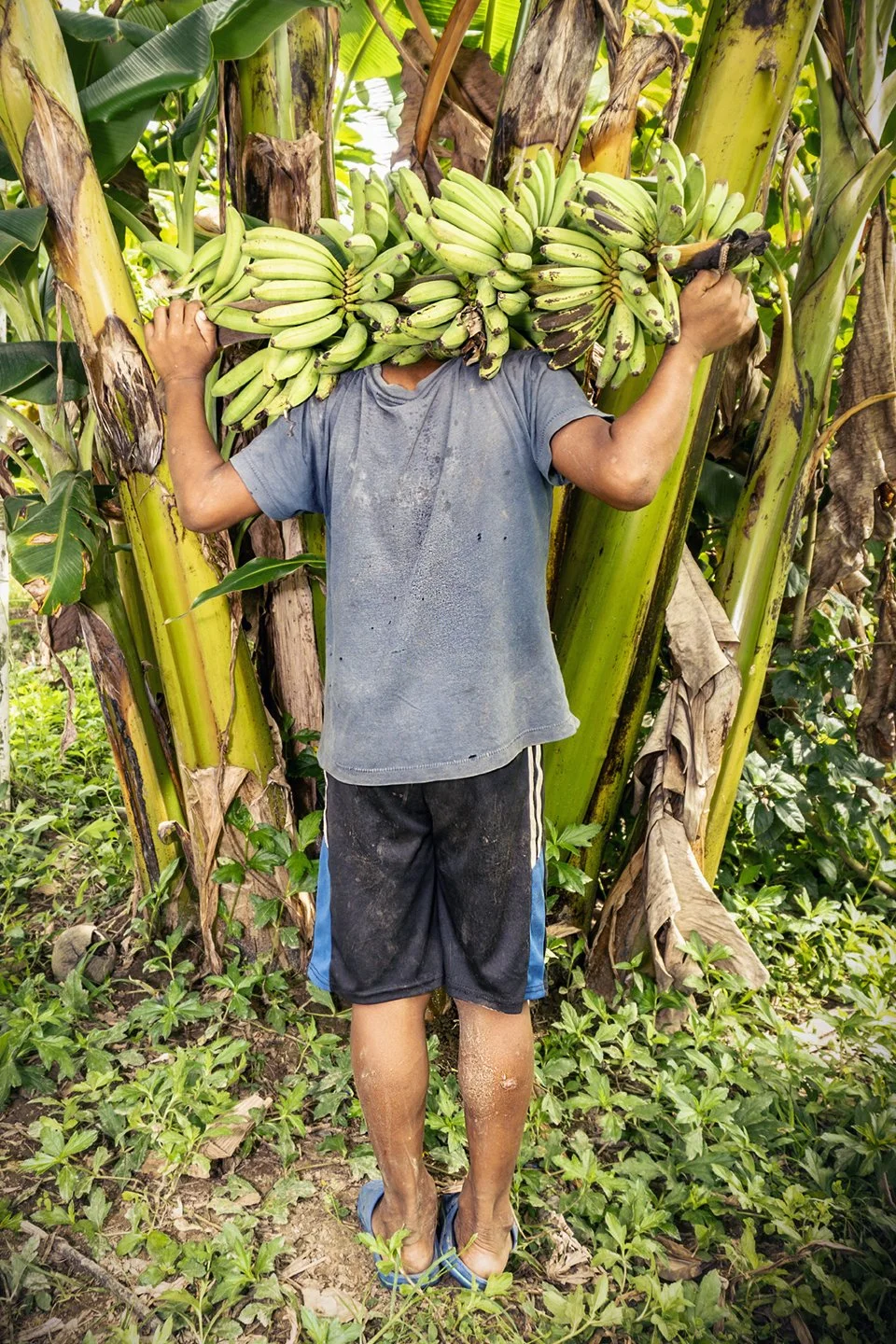
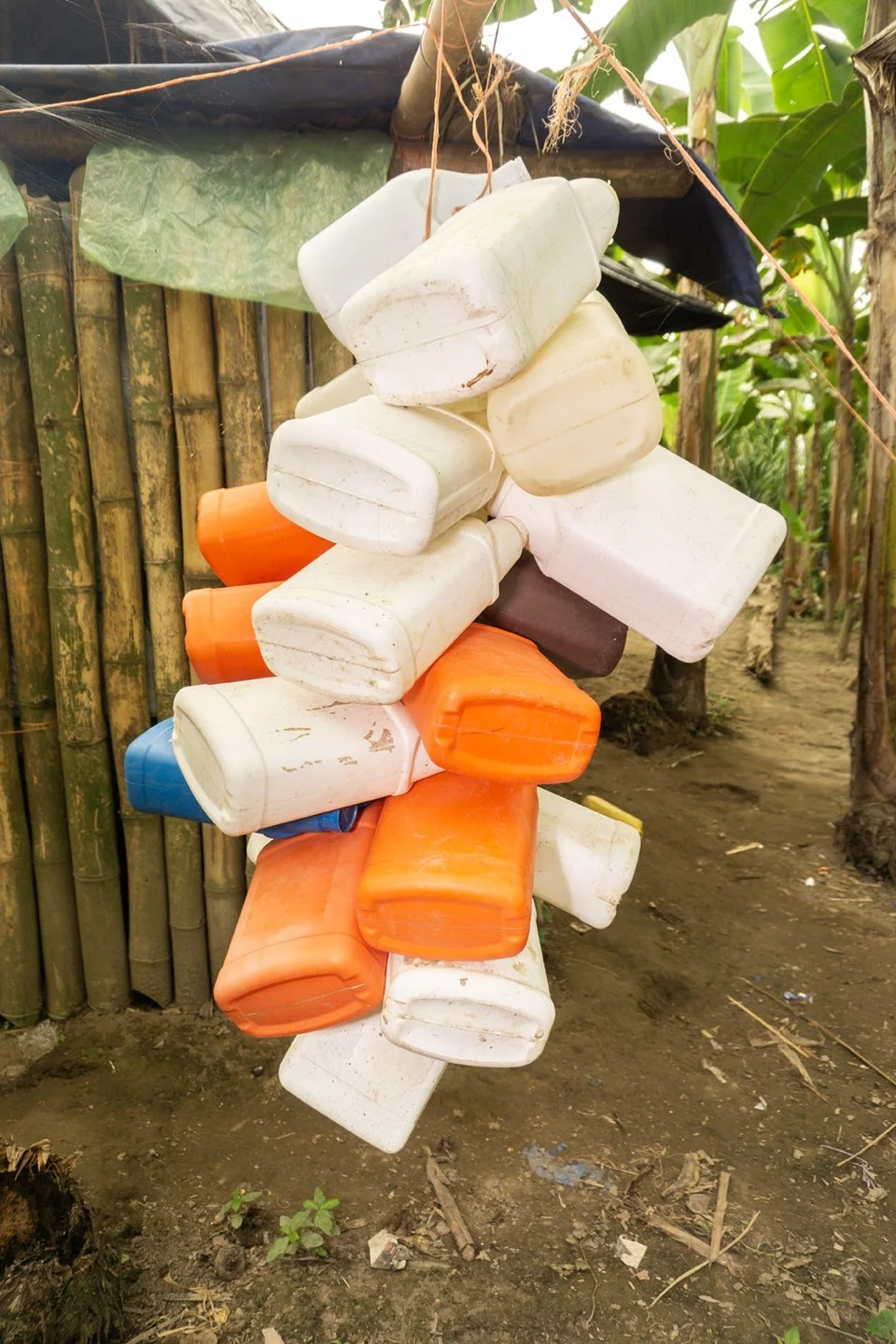
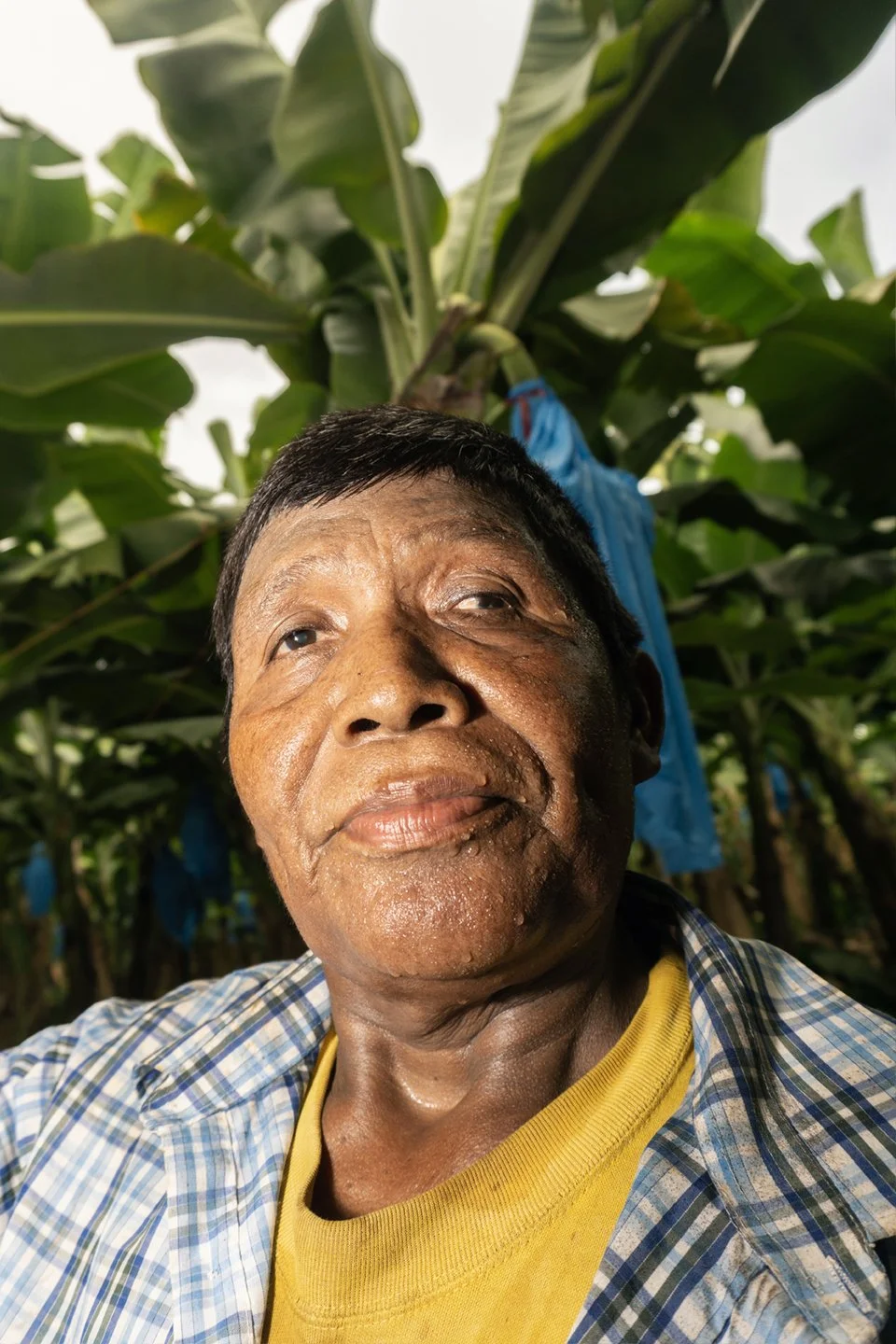
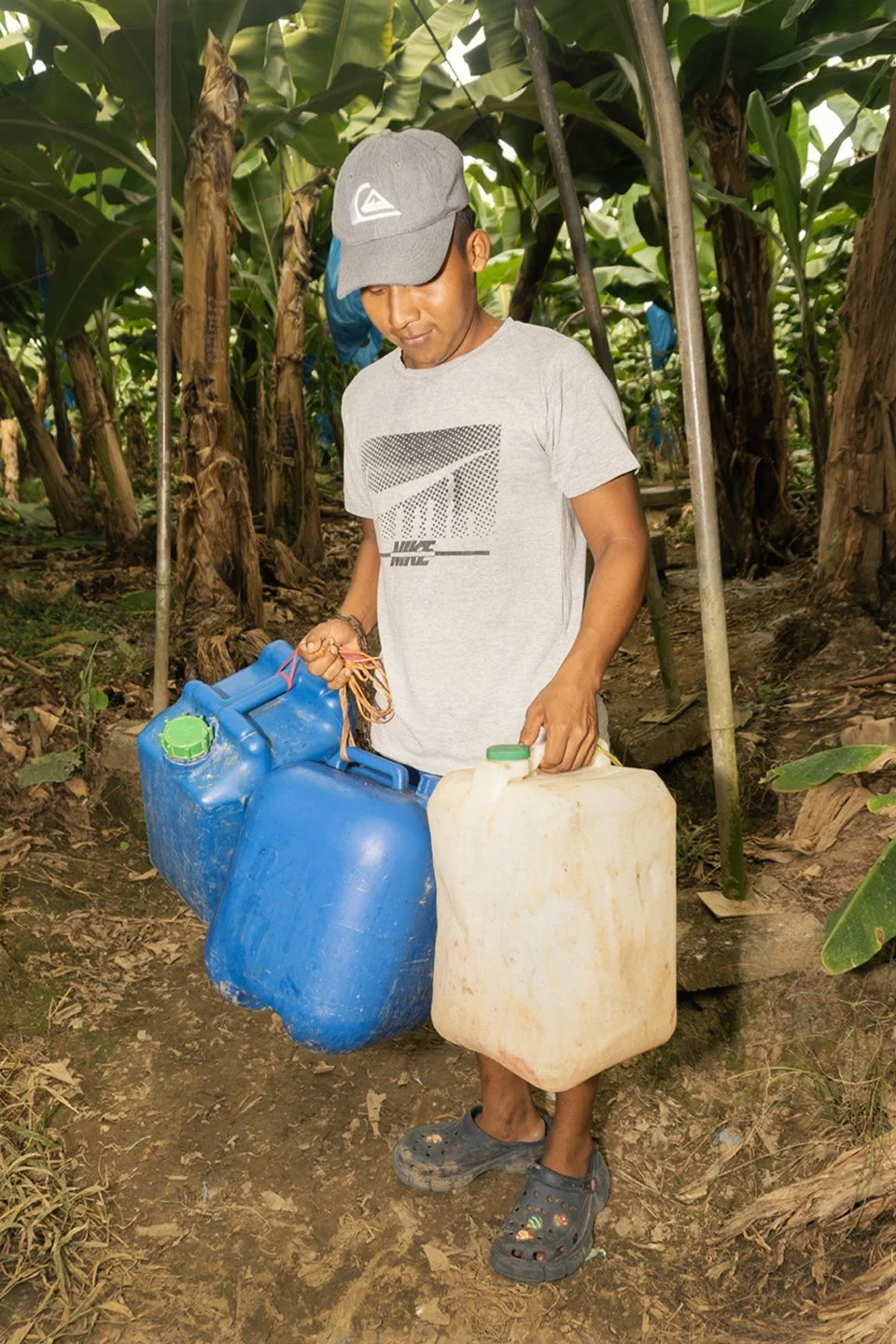
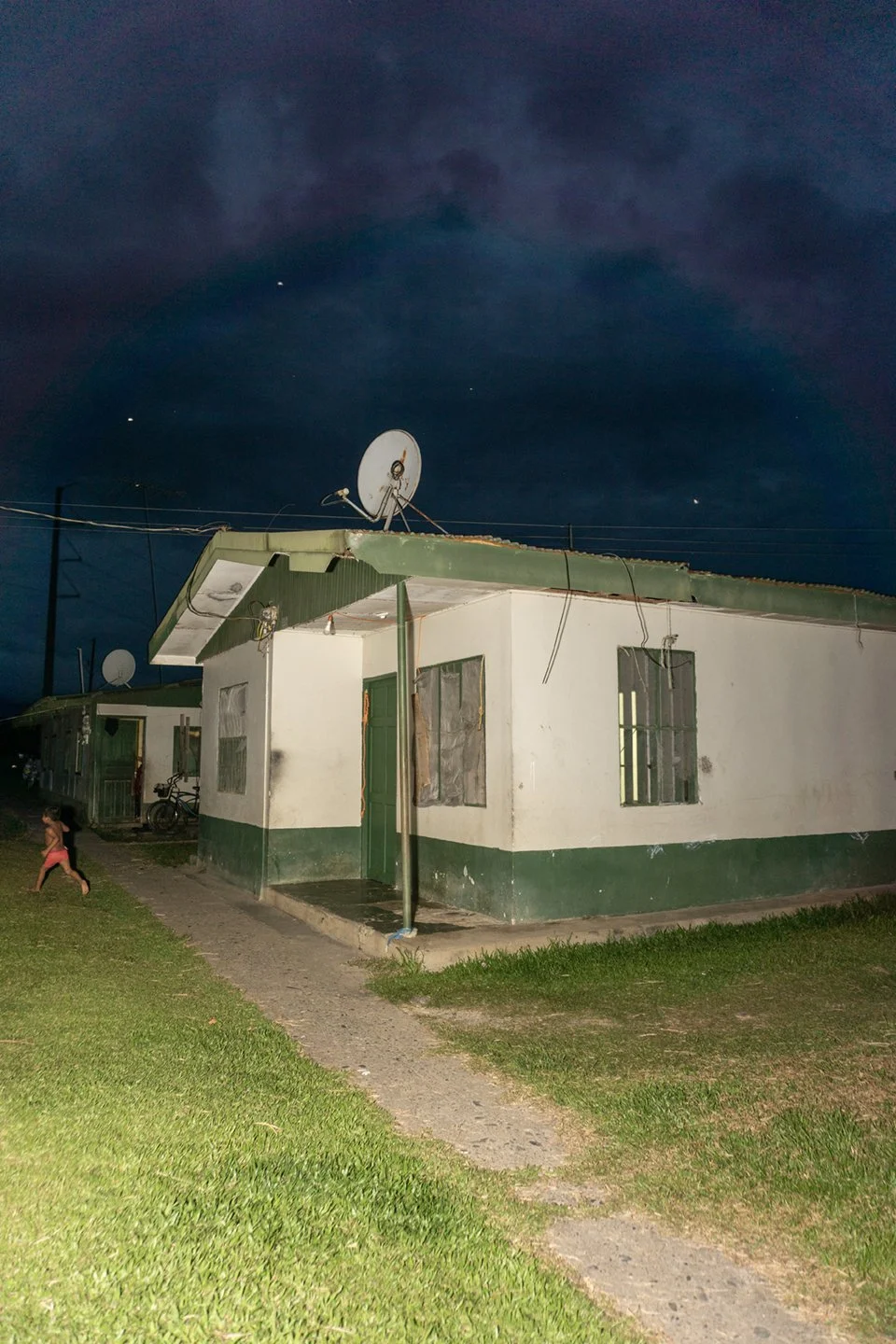
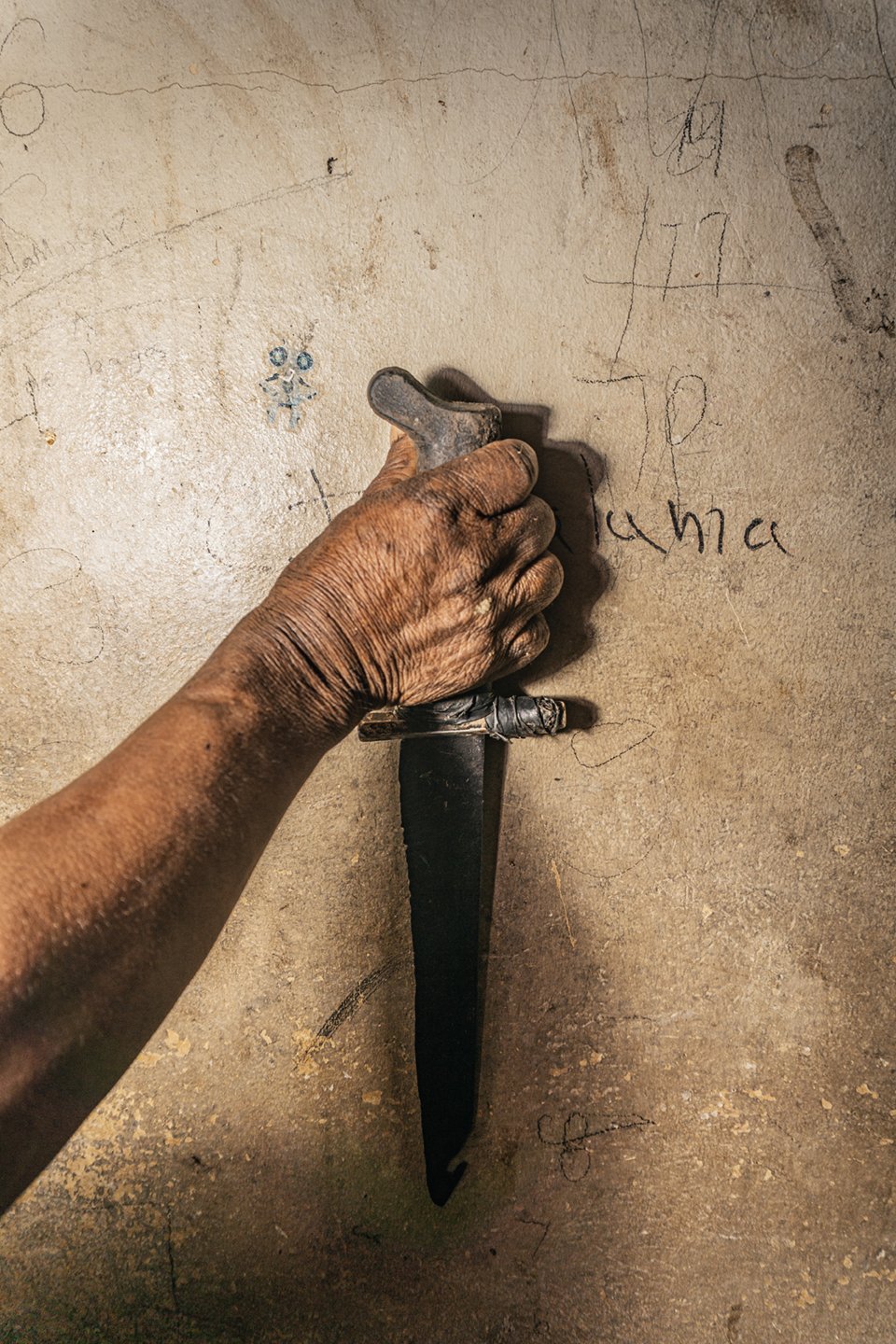
In Sixaola, history marks the conditions, men work seventeen-hour days under sun and chemicals, hardened by labor and illness, coughing blood after years in the fields. Women across generations—bear care, reproduction, and survival. Rivers are poisoned, soils exhausted; the plantation economy scars ecosystems and lives.
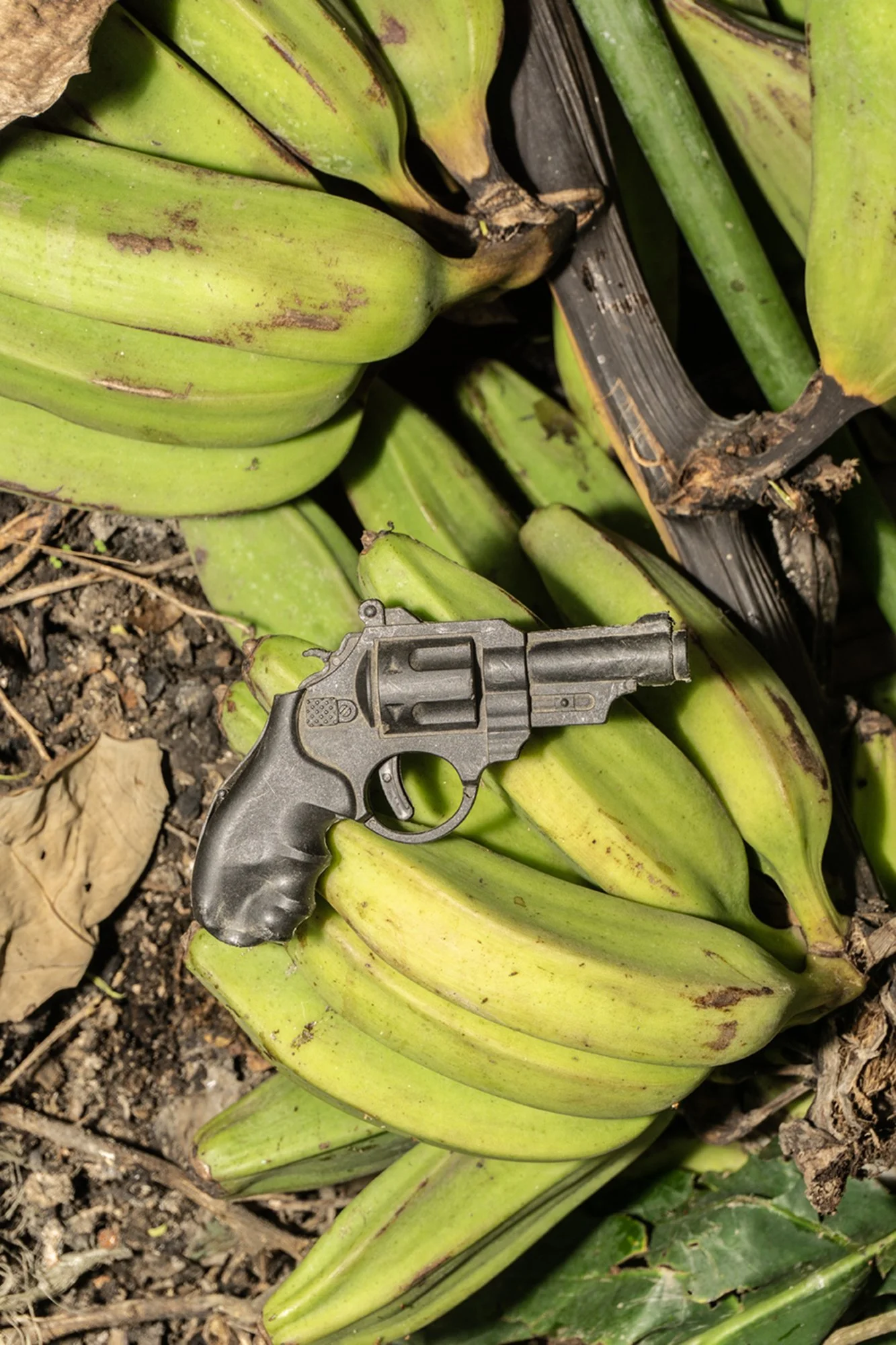
This degradation threatens both environment and social life. Displacement, polluted water, illness, and dependency reflect a shared dispossession. Violence has grown as narcotrafficking merges with banana plantations; bodies found on farms reveal that these sites are no longer only exploitative workplaces, but territories of crime, fear, and death.
The violence inflicted on the land mirrors the violence imposed on workers’ bodies: both are treated as expendable commodities.
Peel It Good renders this continuity visible, exposing how colonial, corporate, and transnational violence persists in everyday life.
At the same time, it honors the endurance and resistance of these communities, insisting that behind every exported banana lies a hidden history of pain—and a persistent hope that another future remains possible.
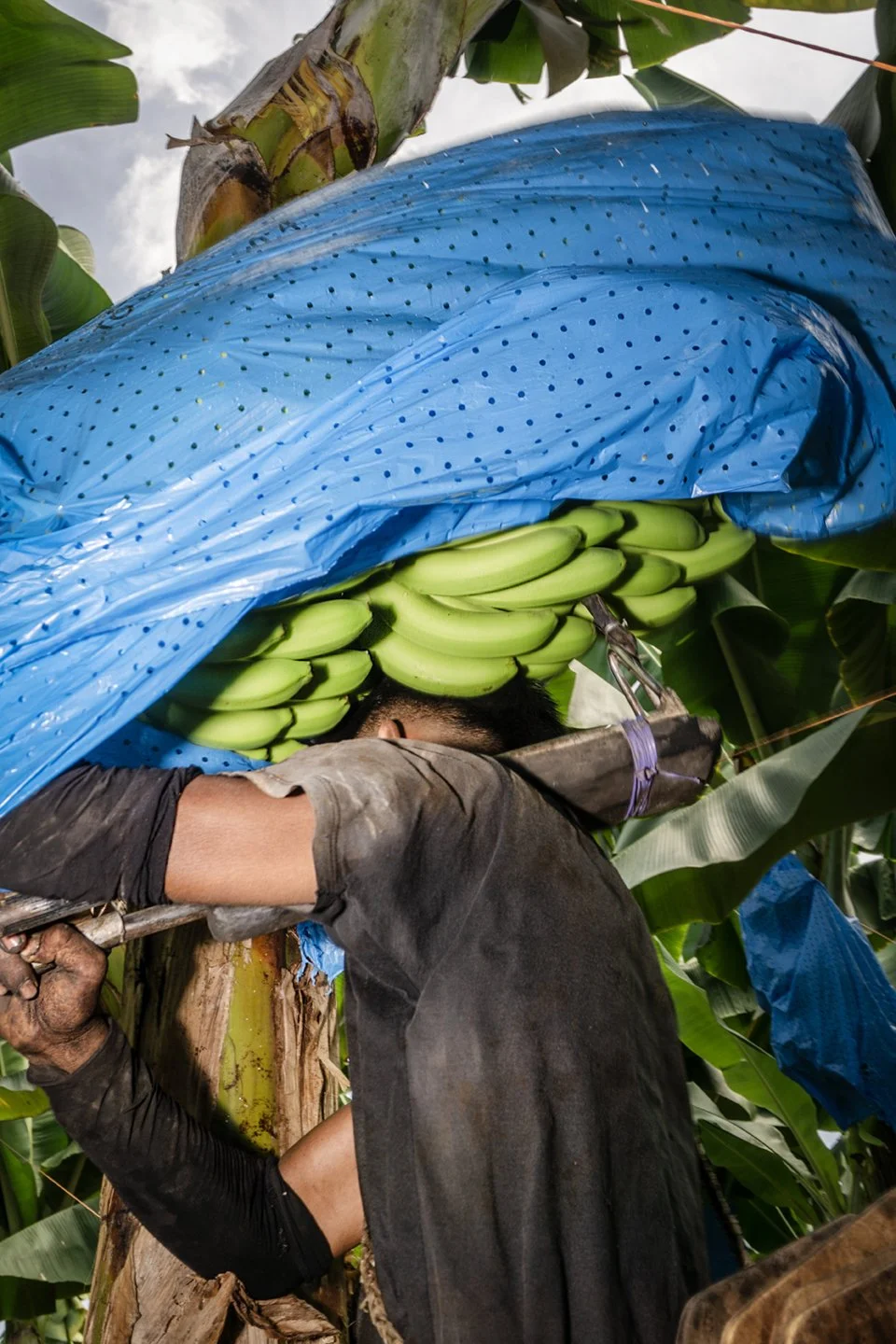
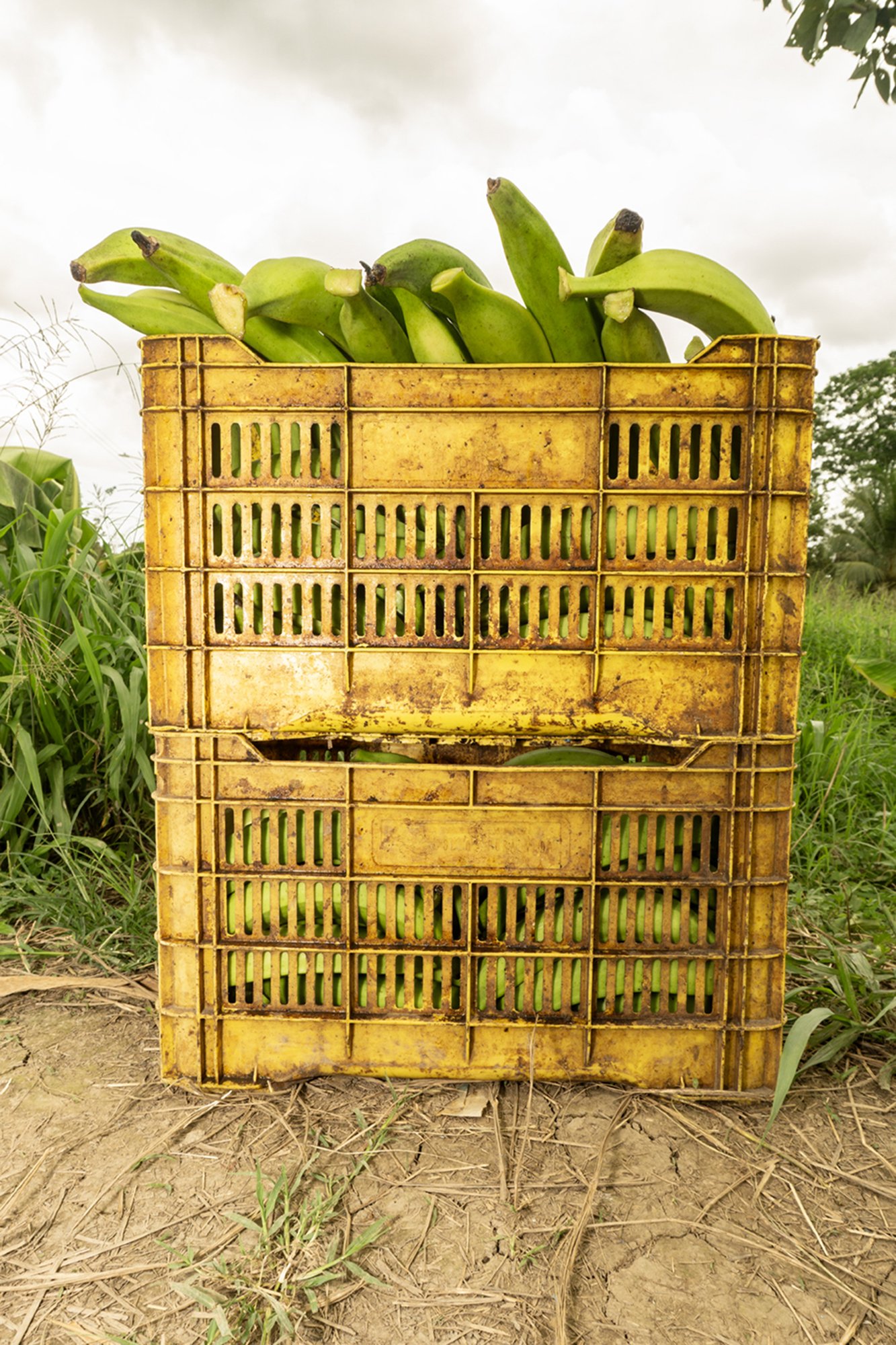
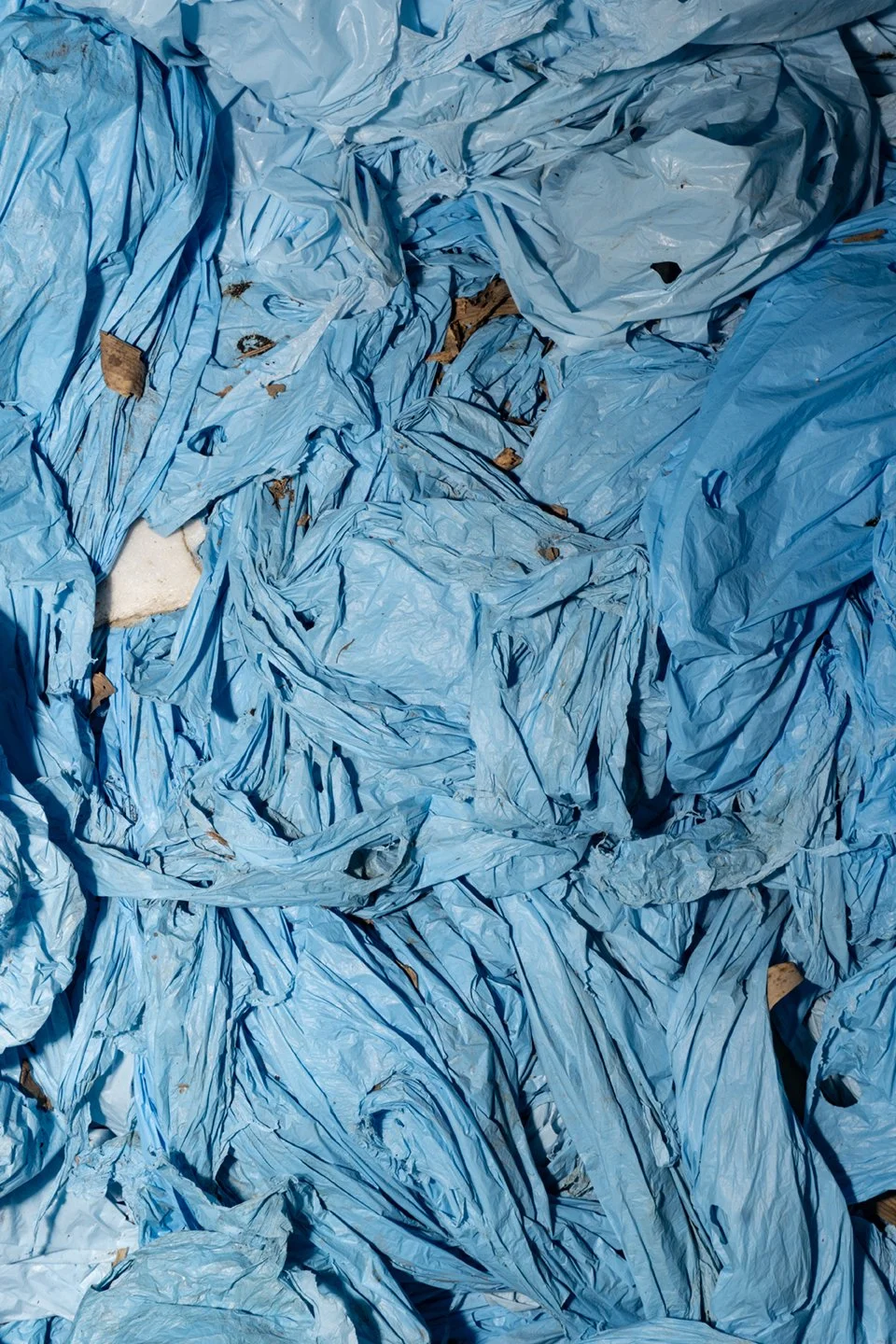
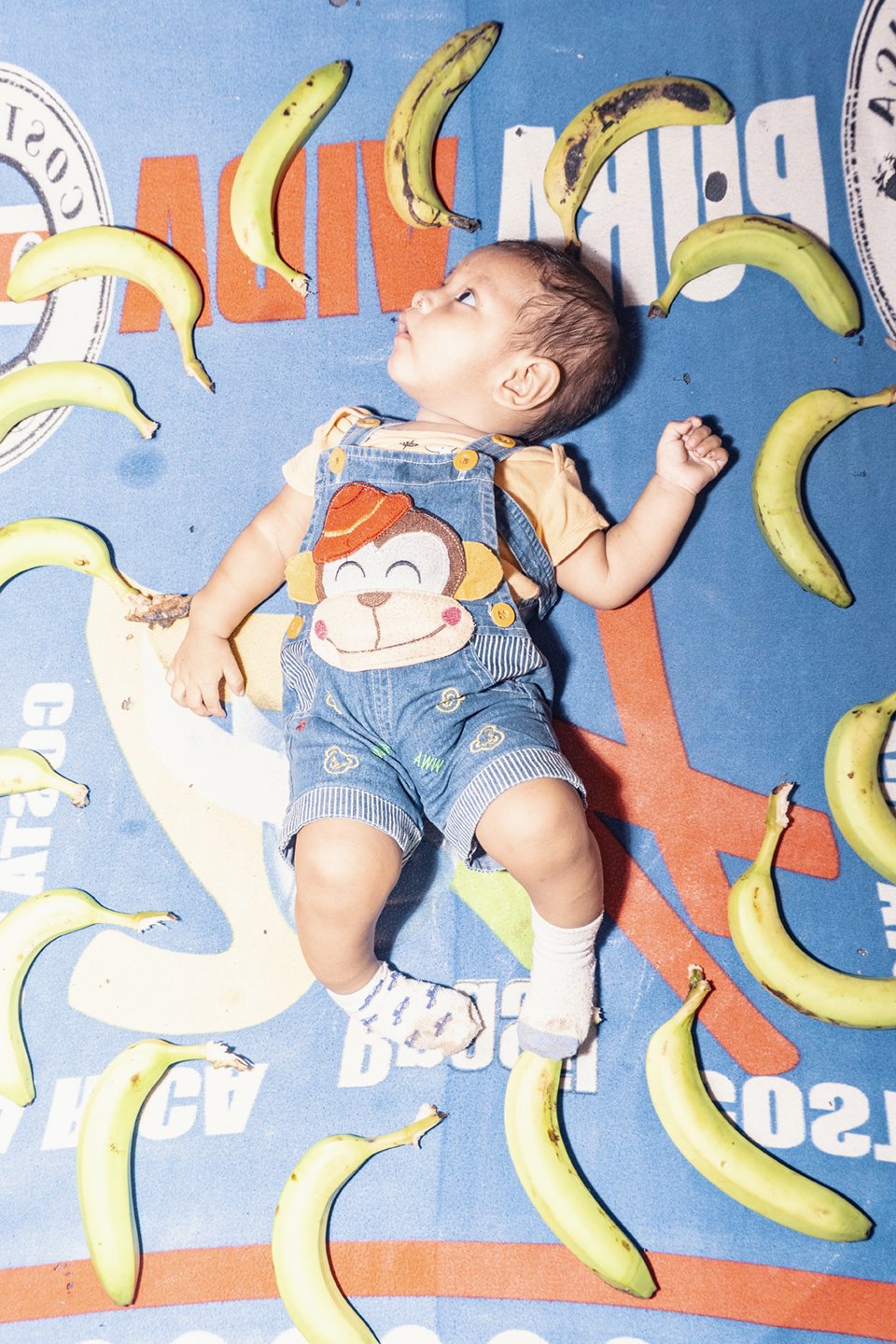
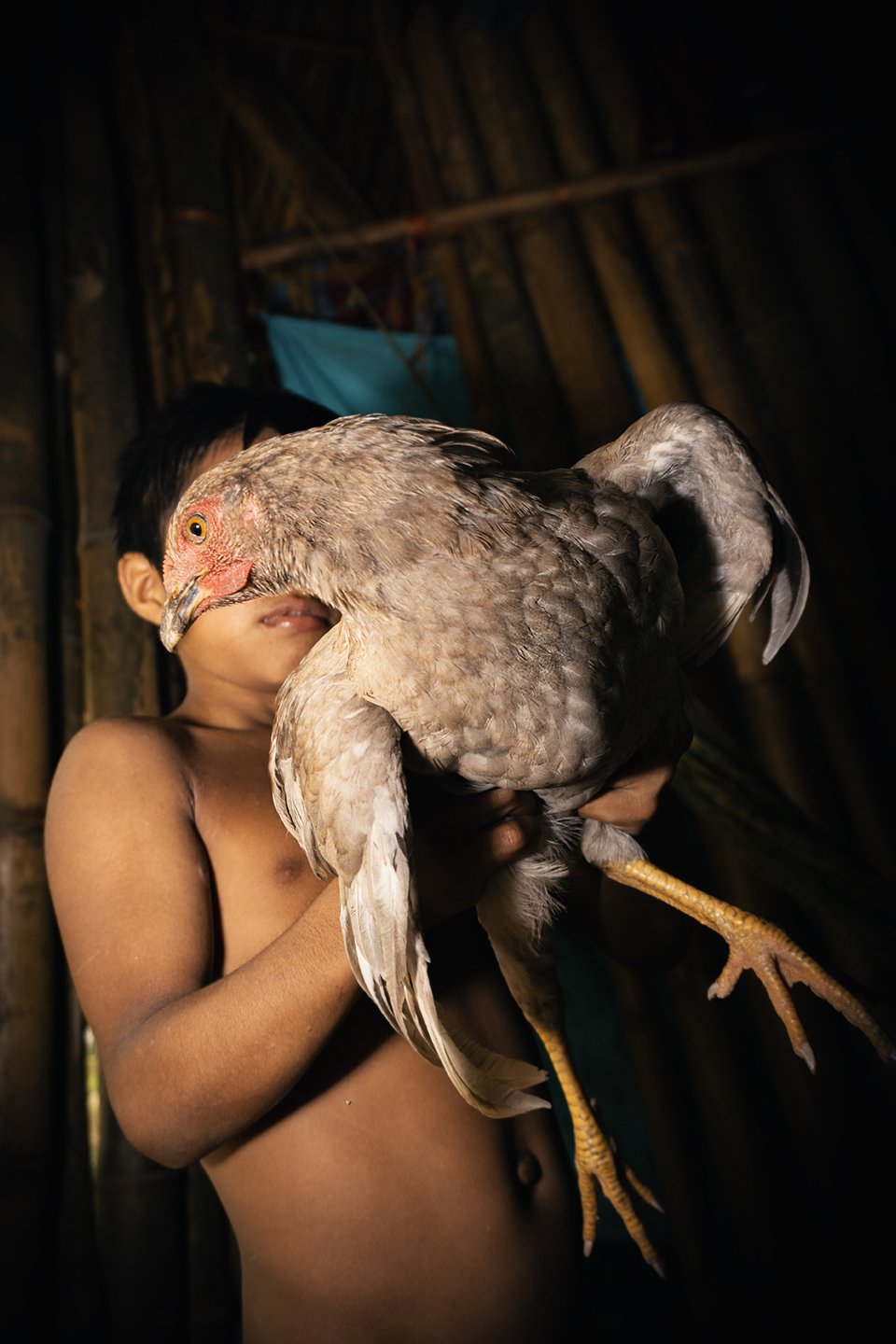
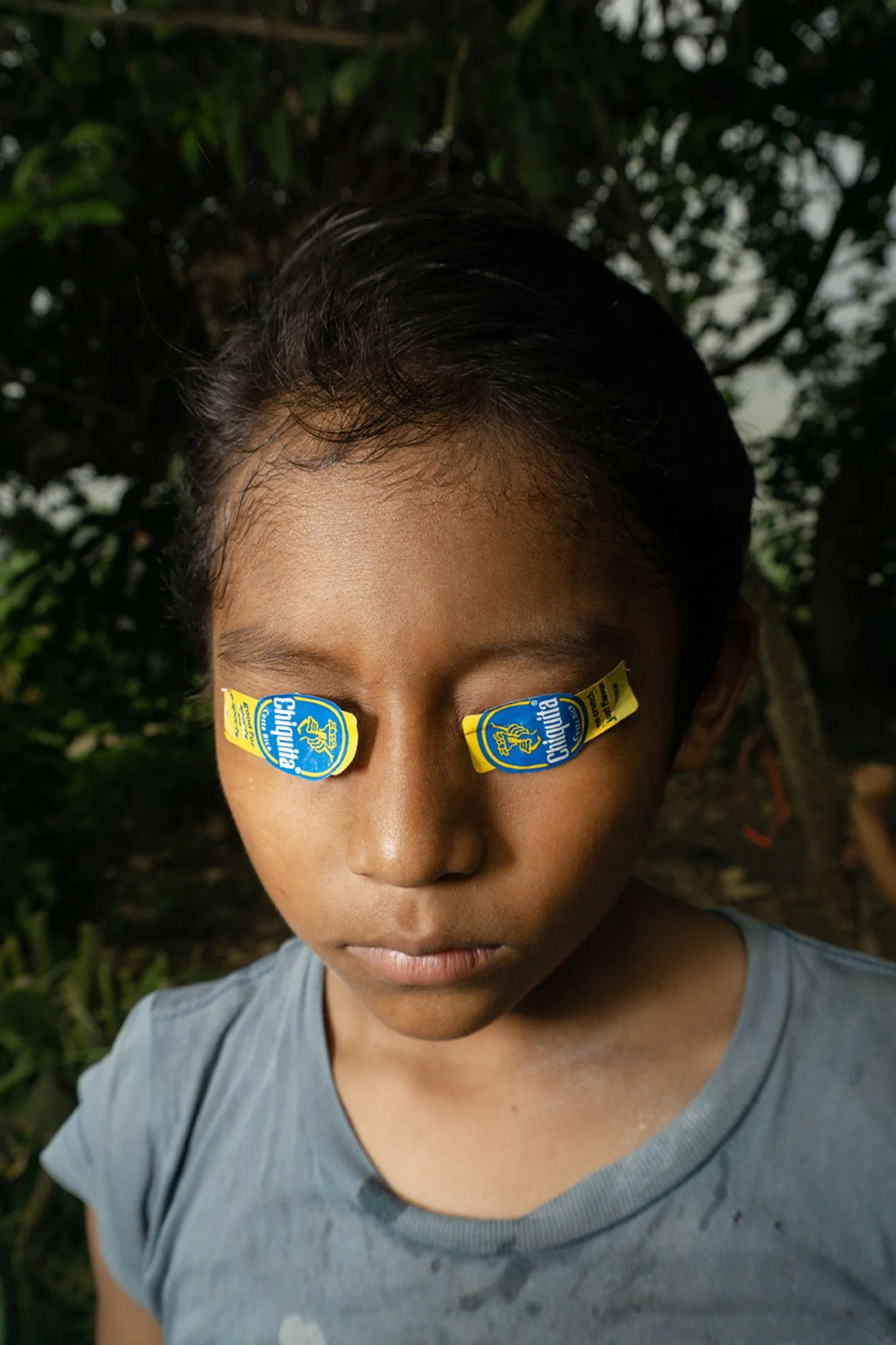
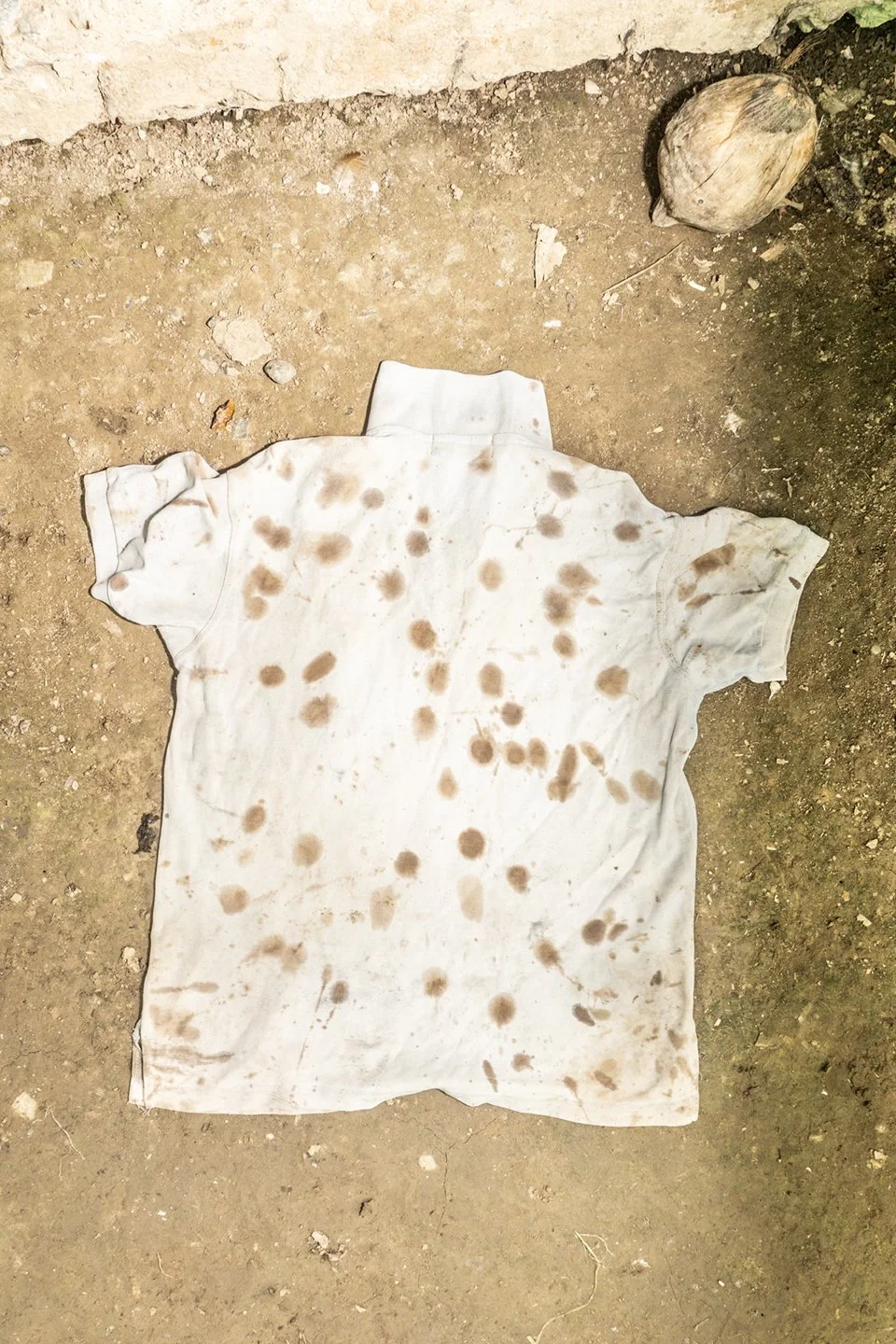
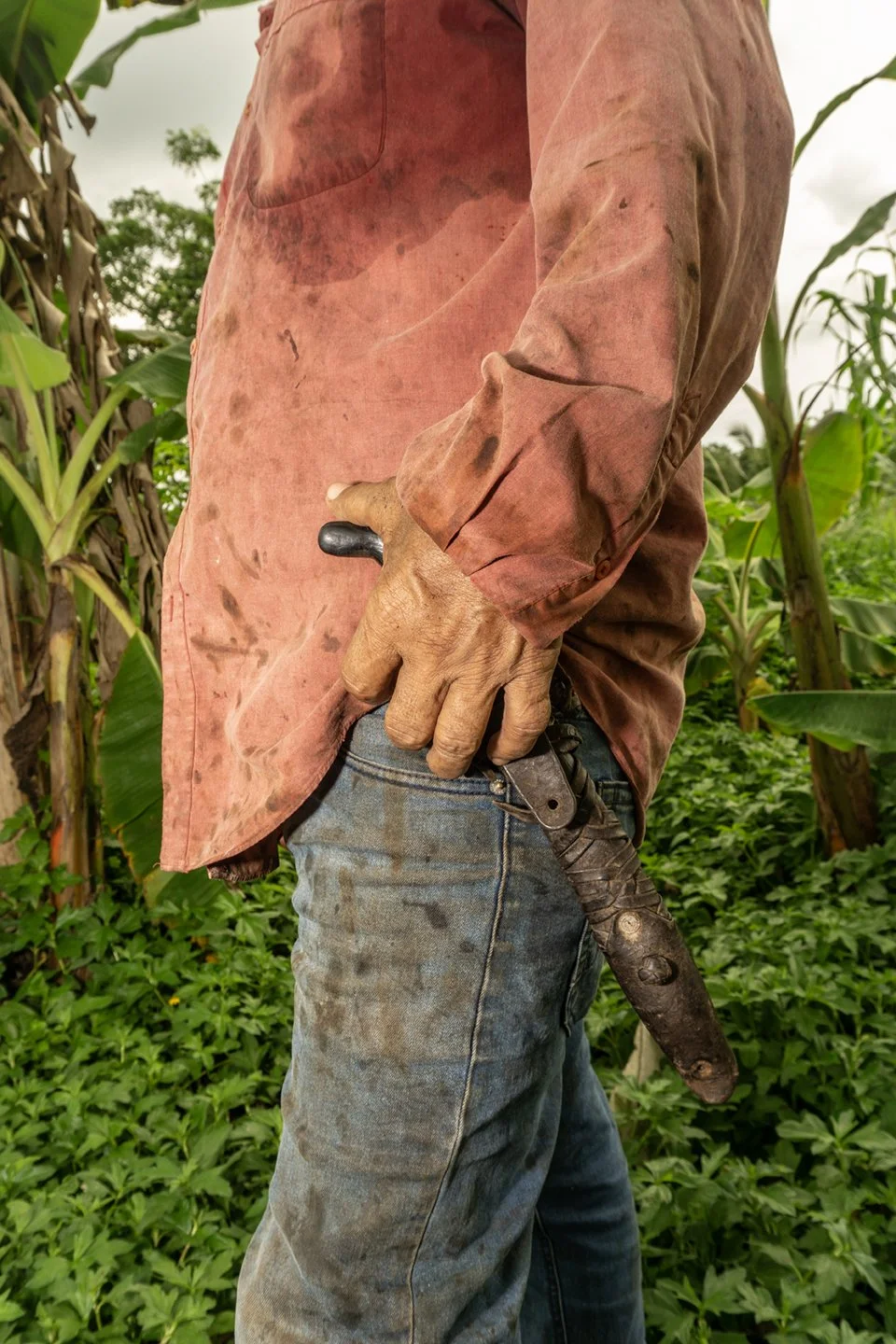
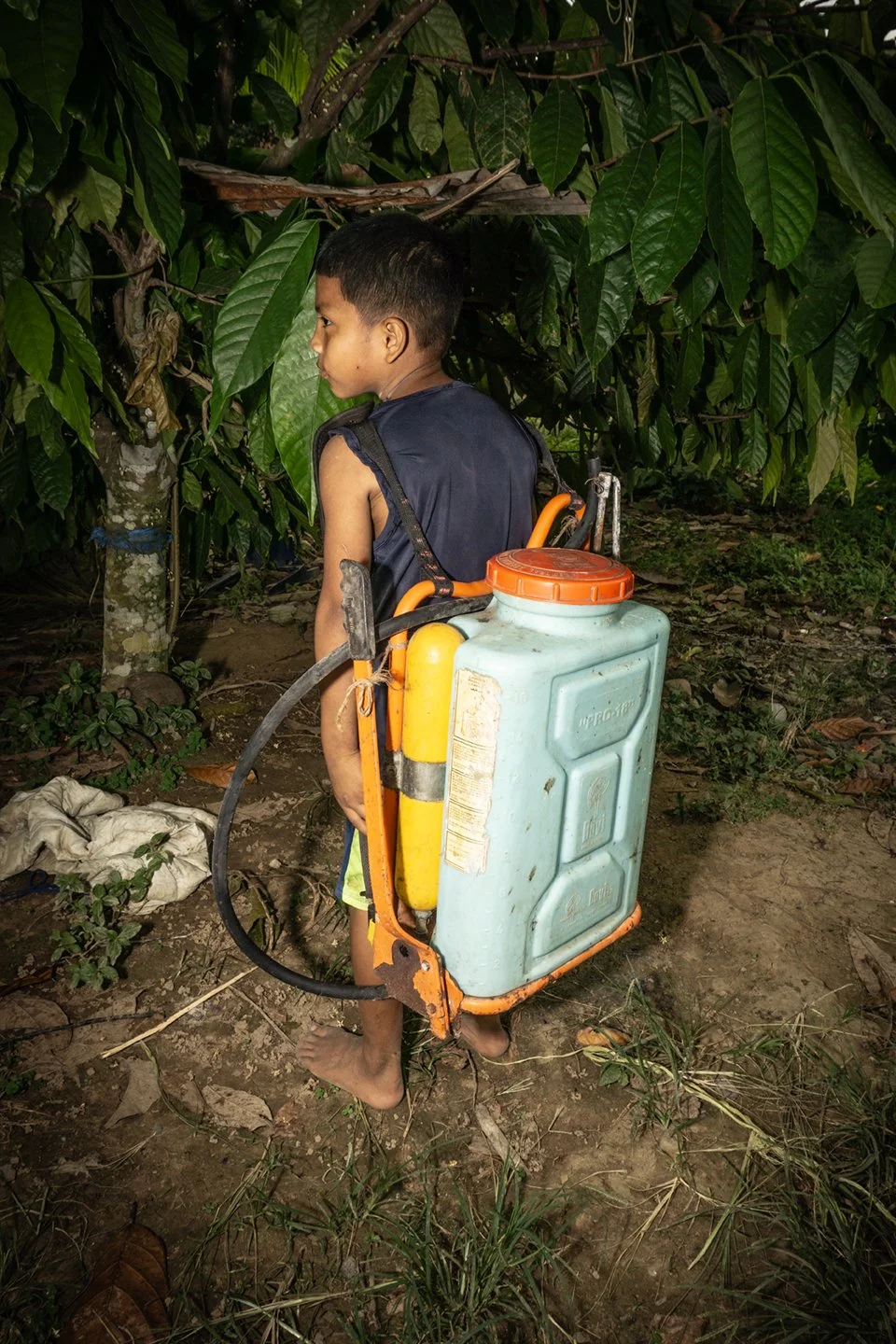
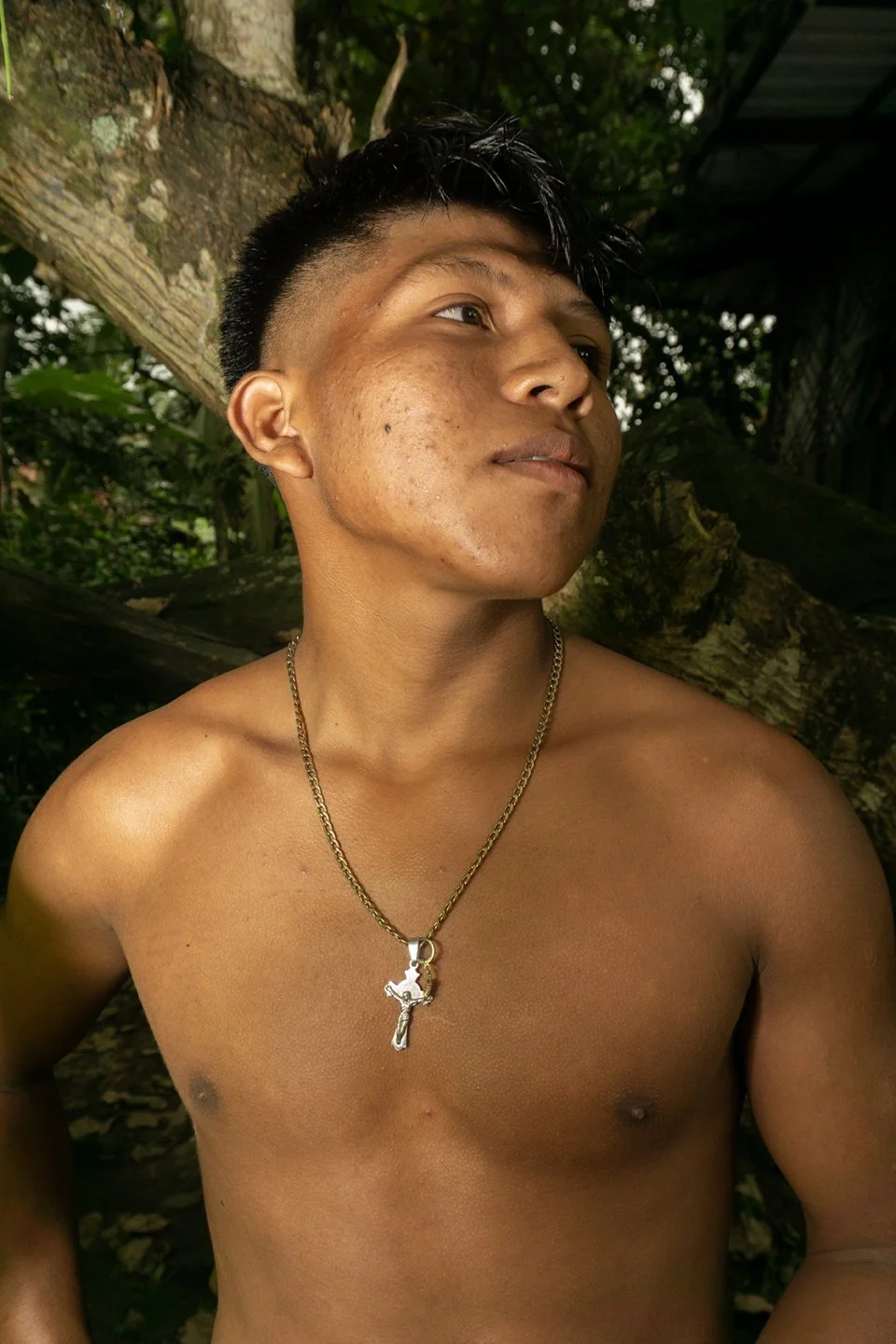
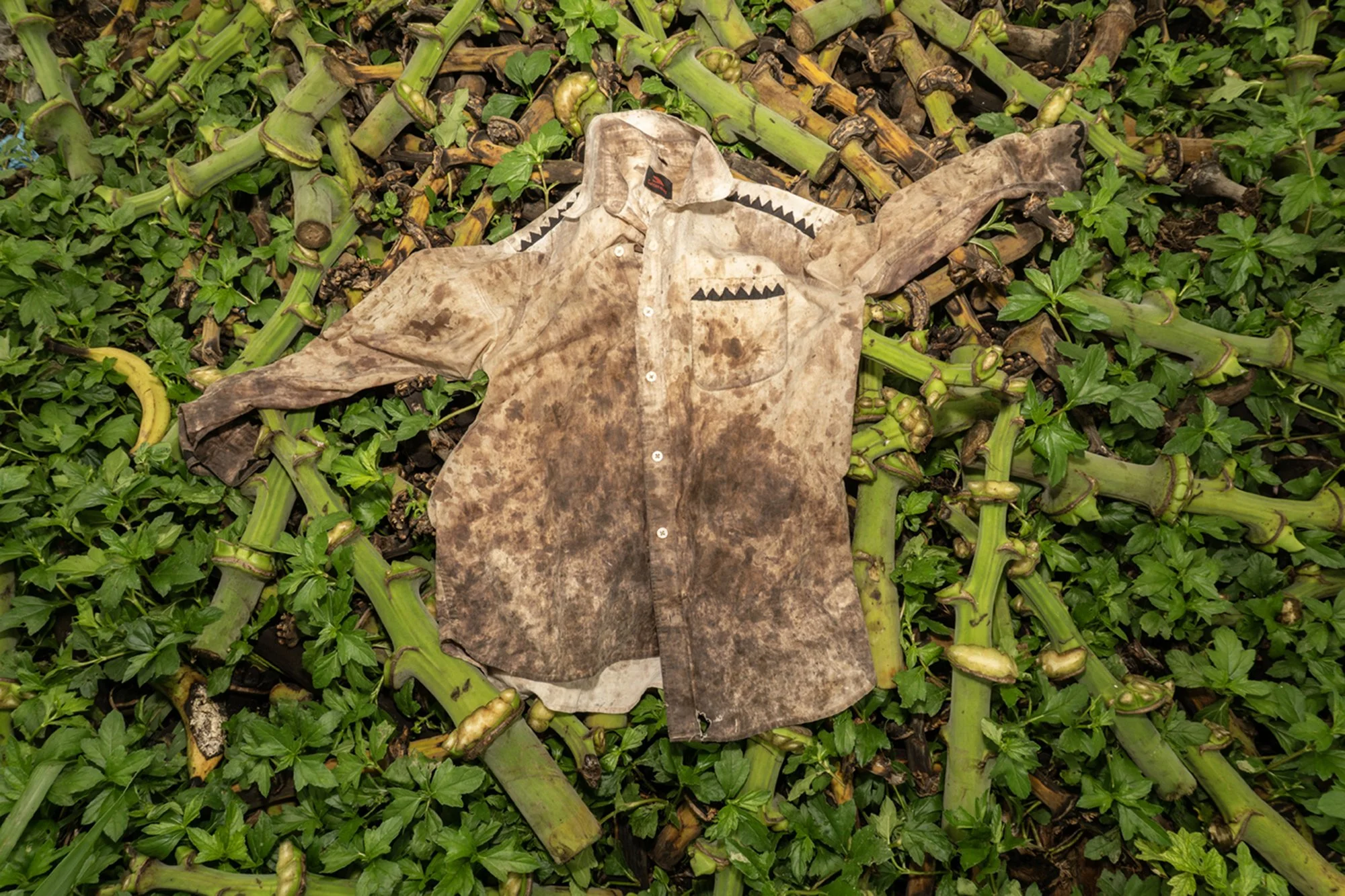
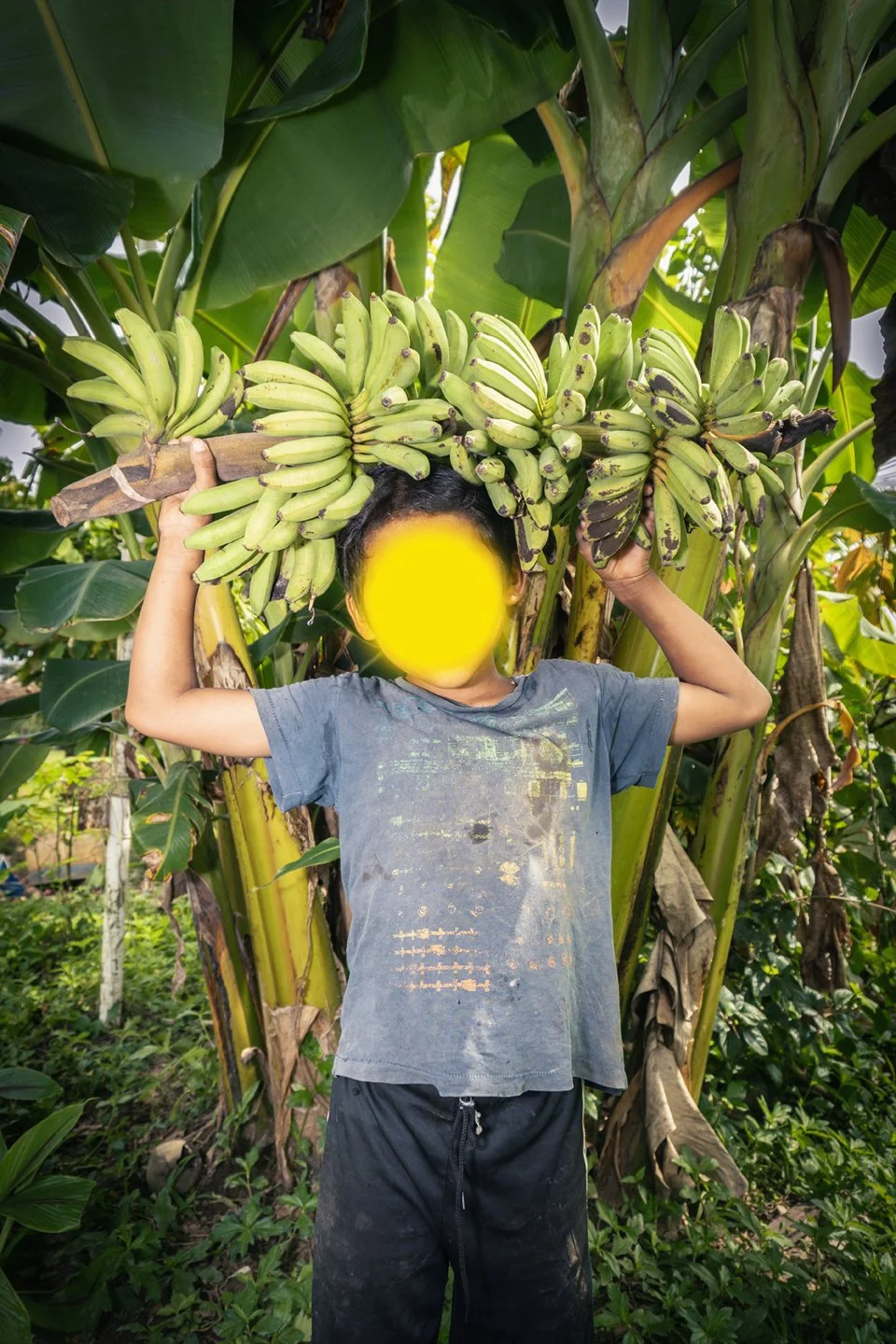
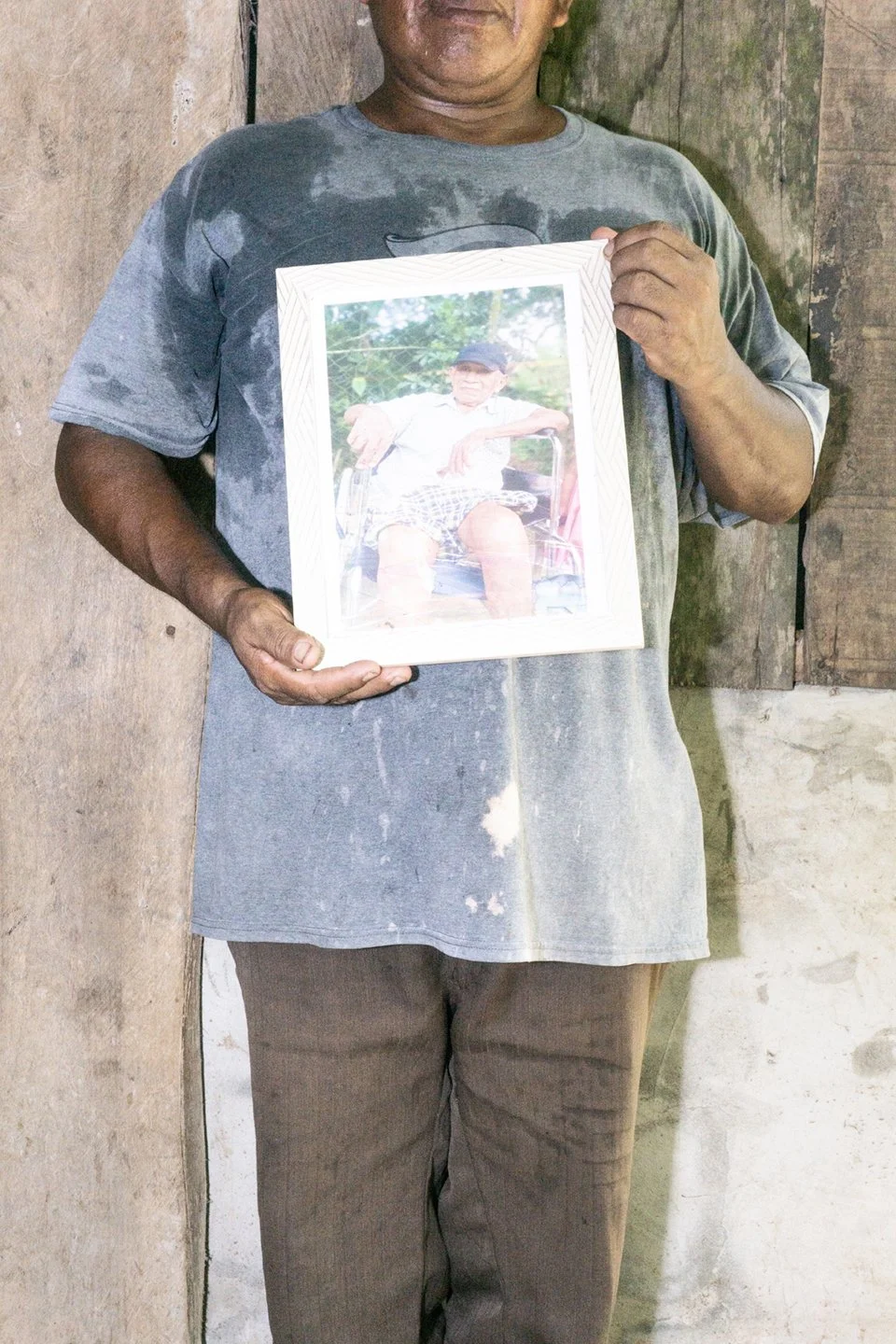
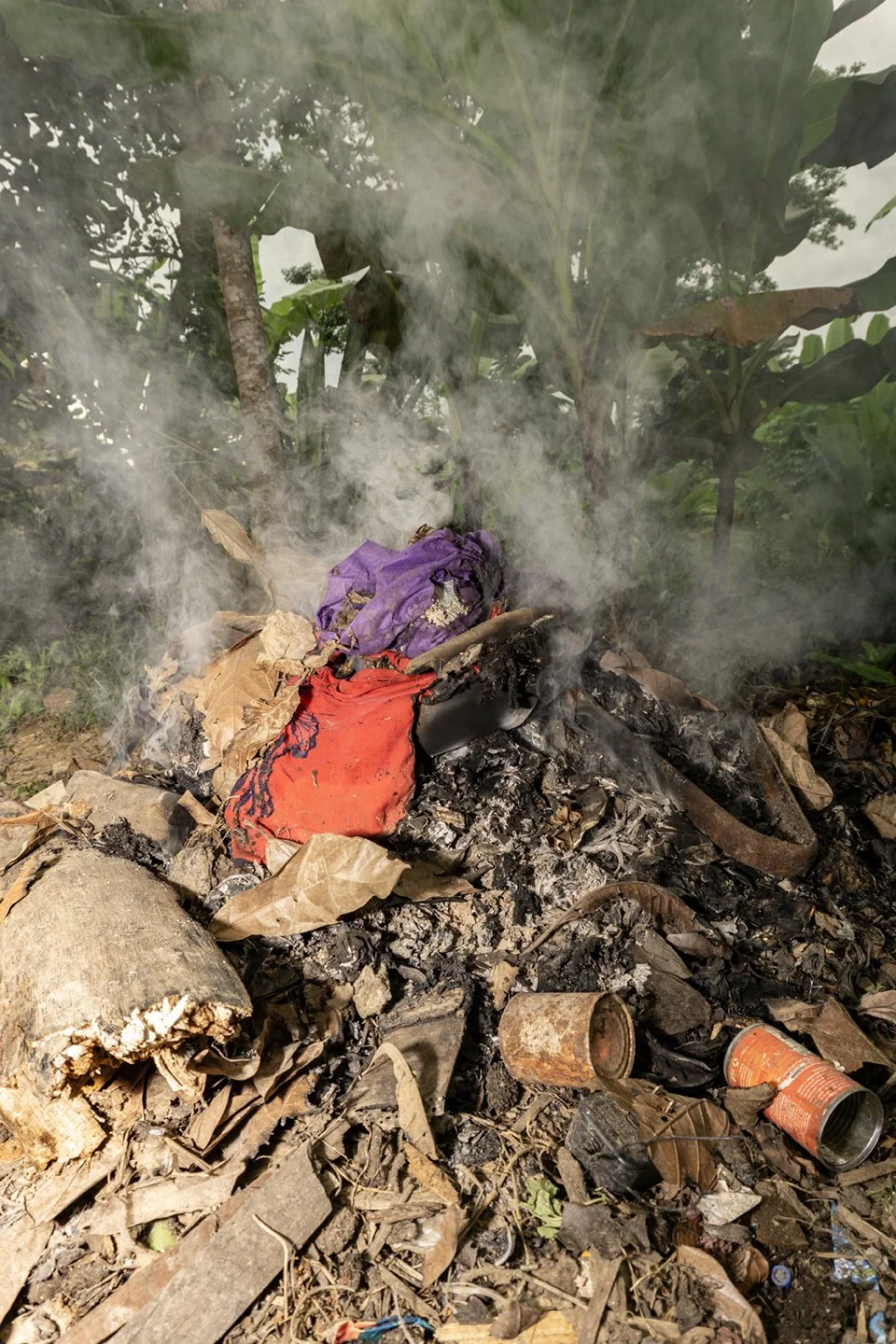
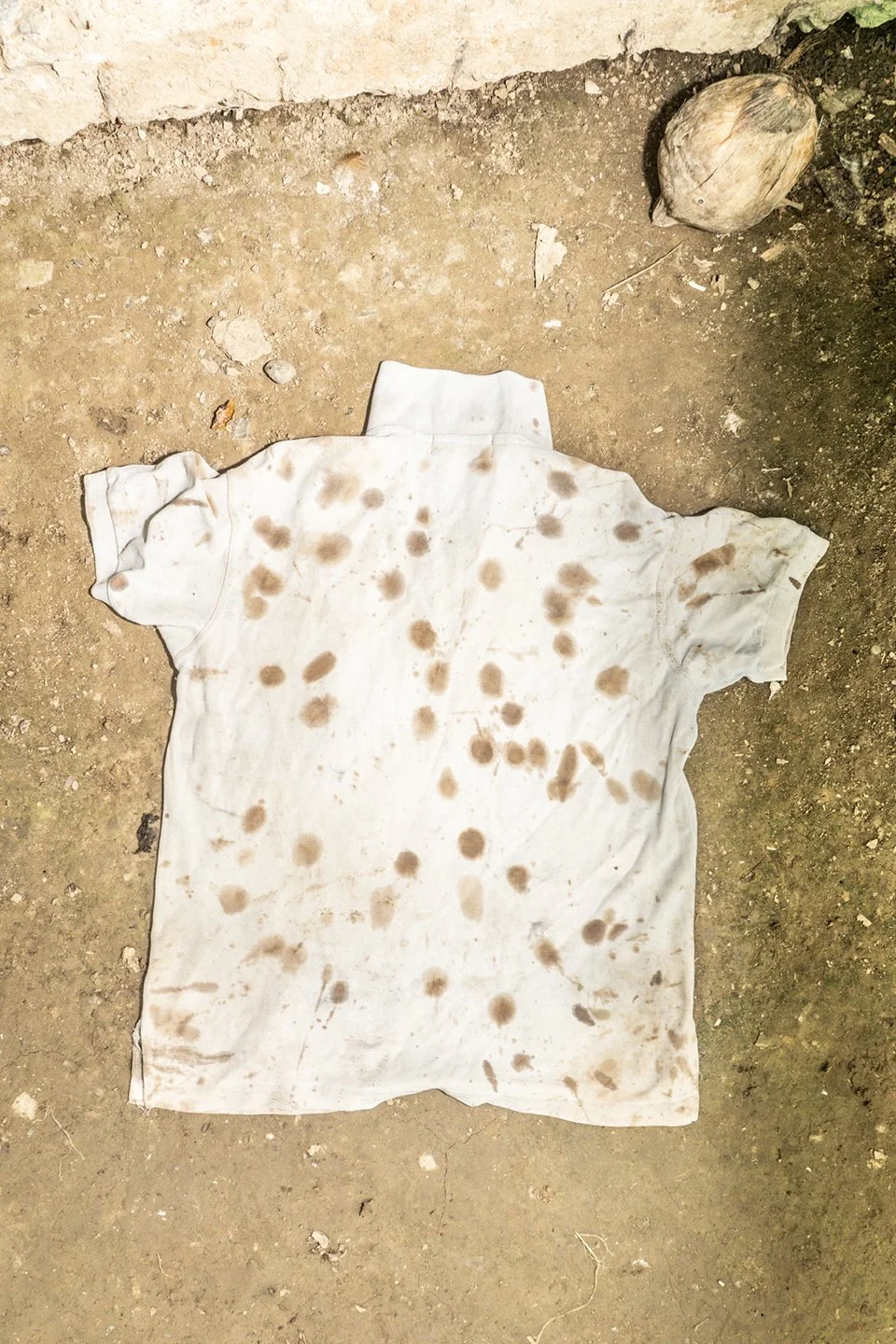
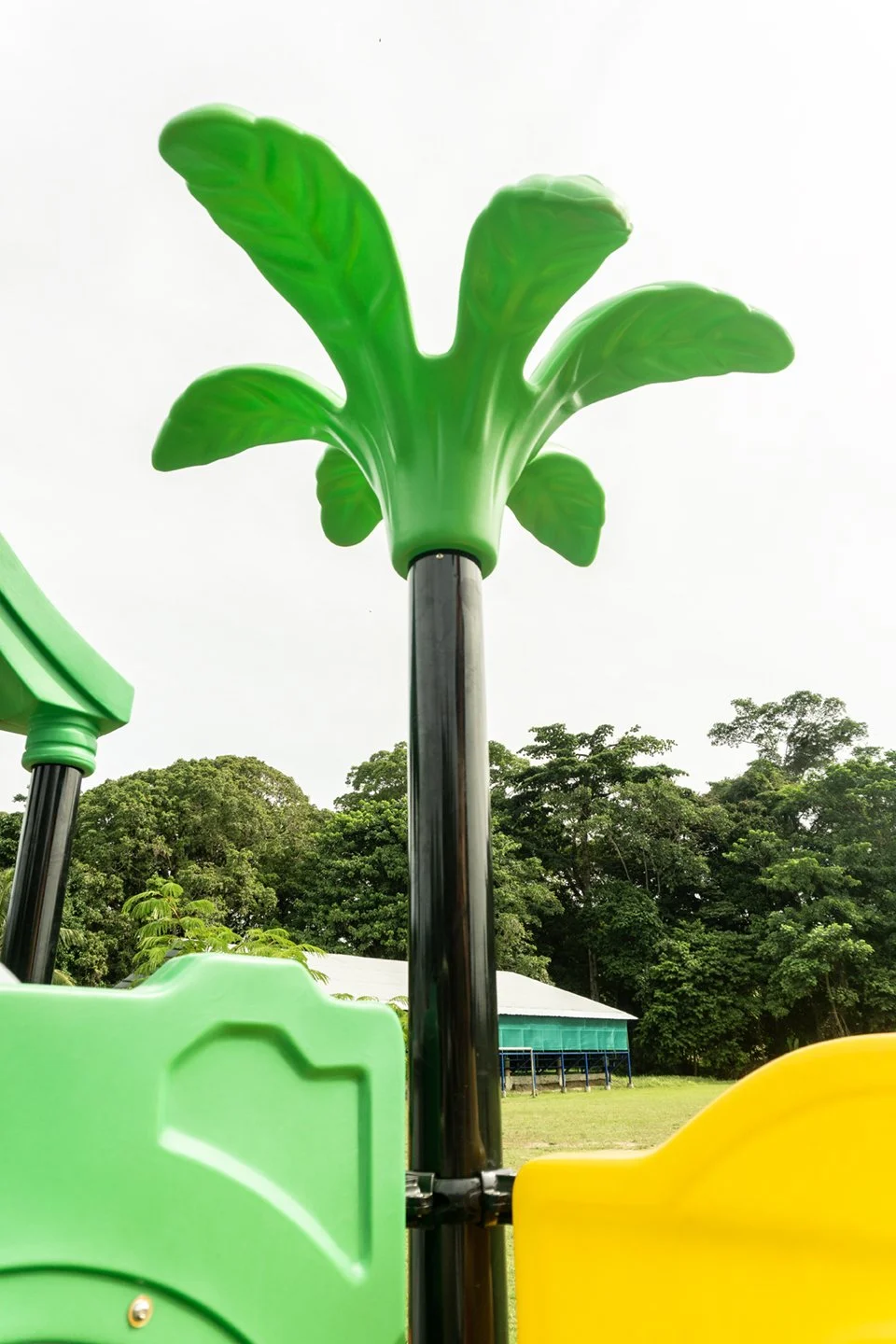
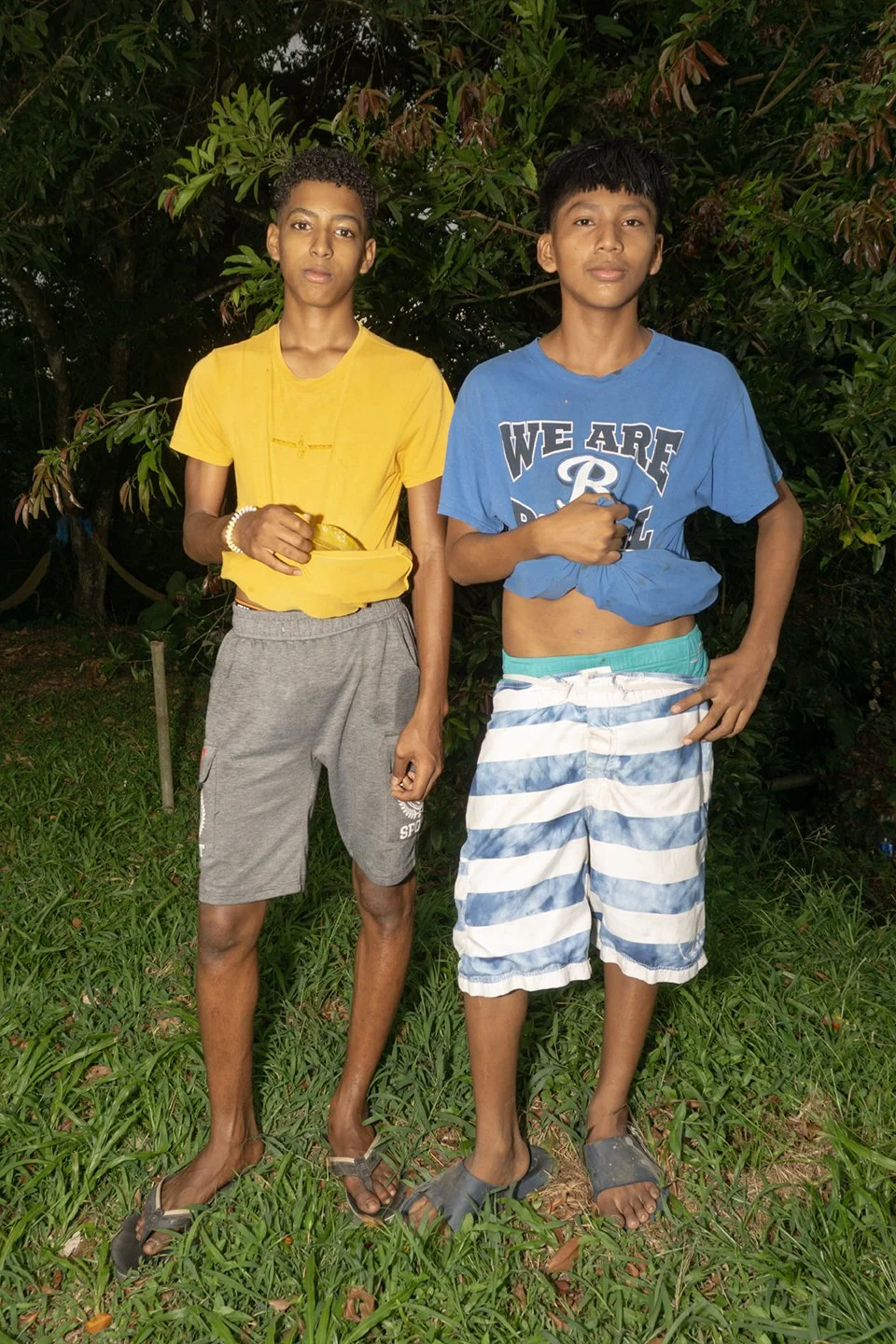
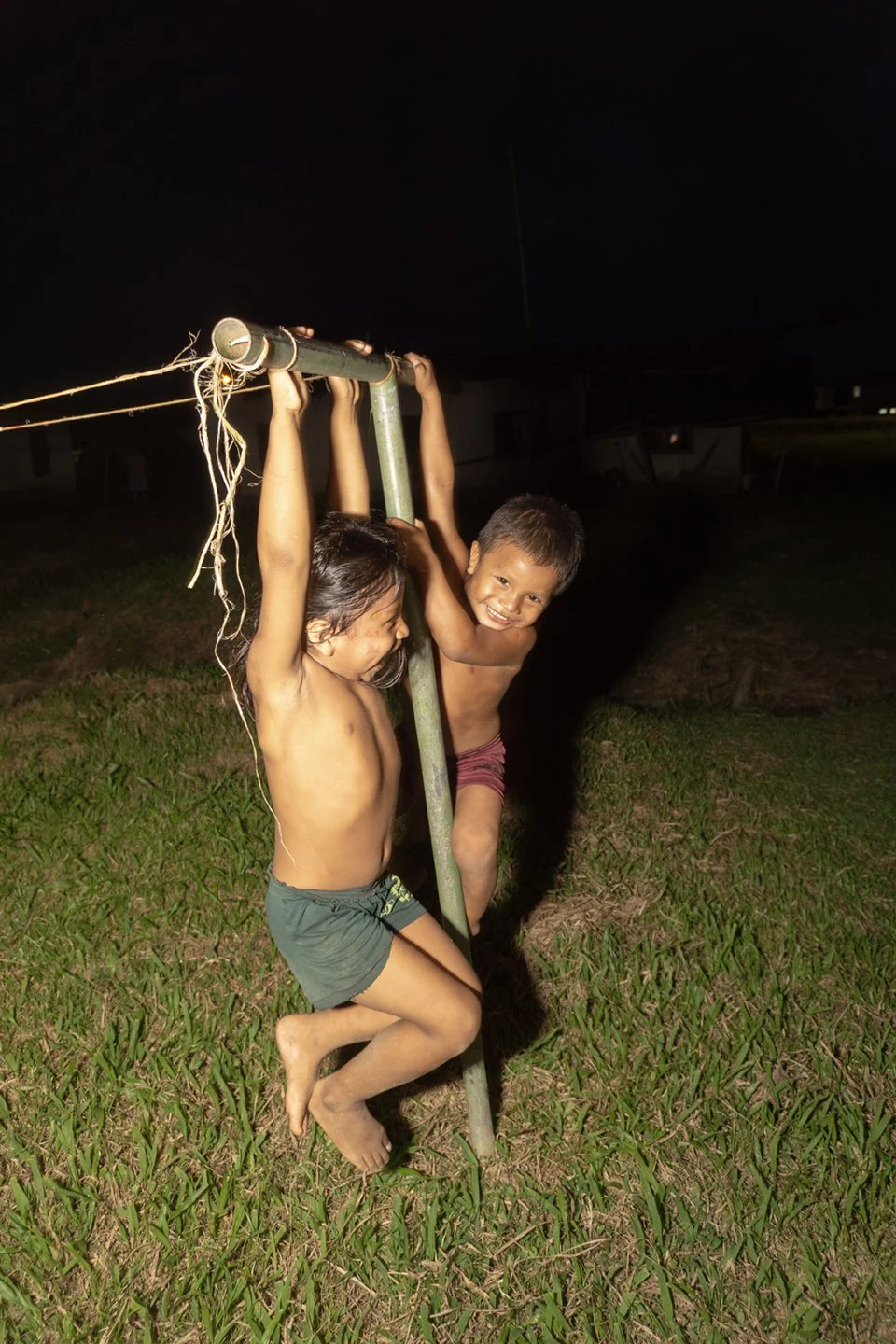
A shirt stained with chemicals and latex after a 12-hour workday. This is how the workers’ clothing ends up including that of children, who earn only nine dollars per day.
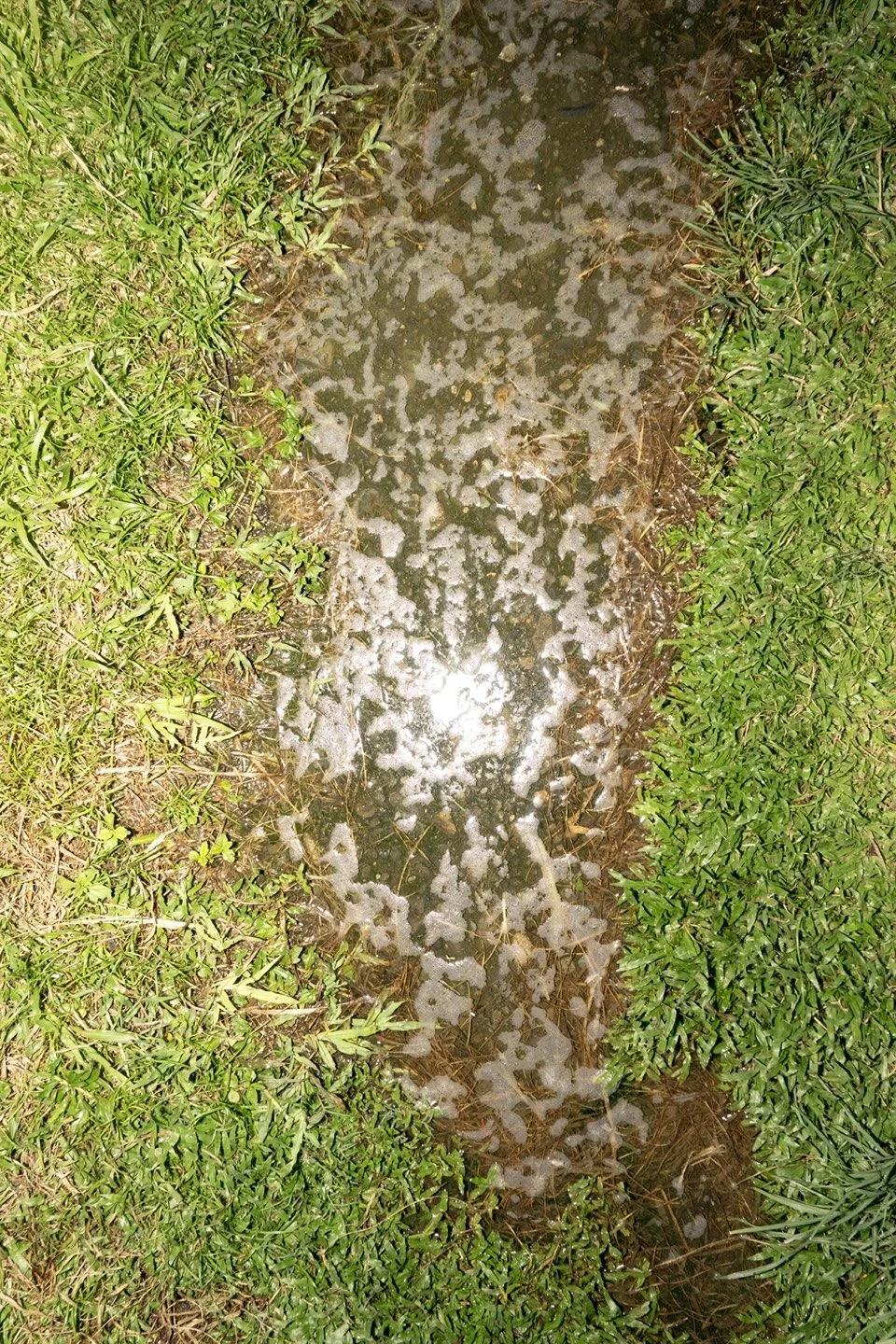

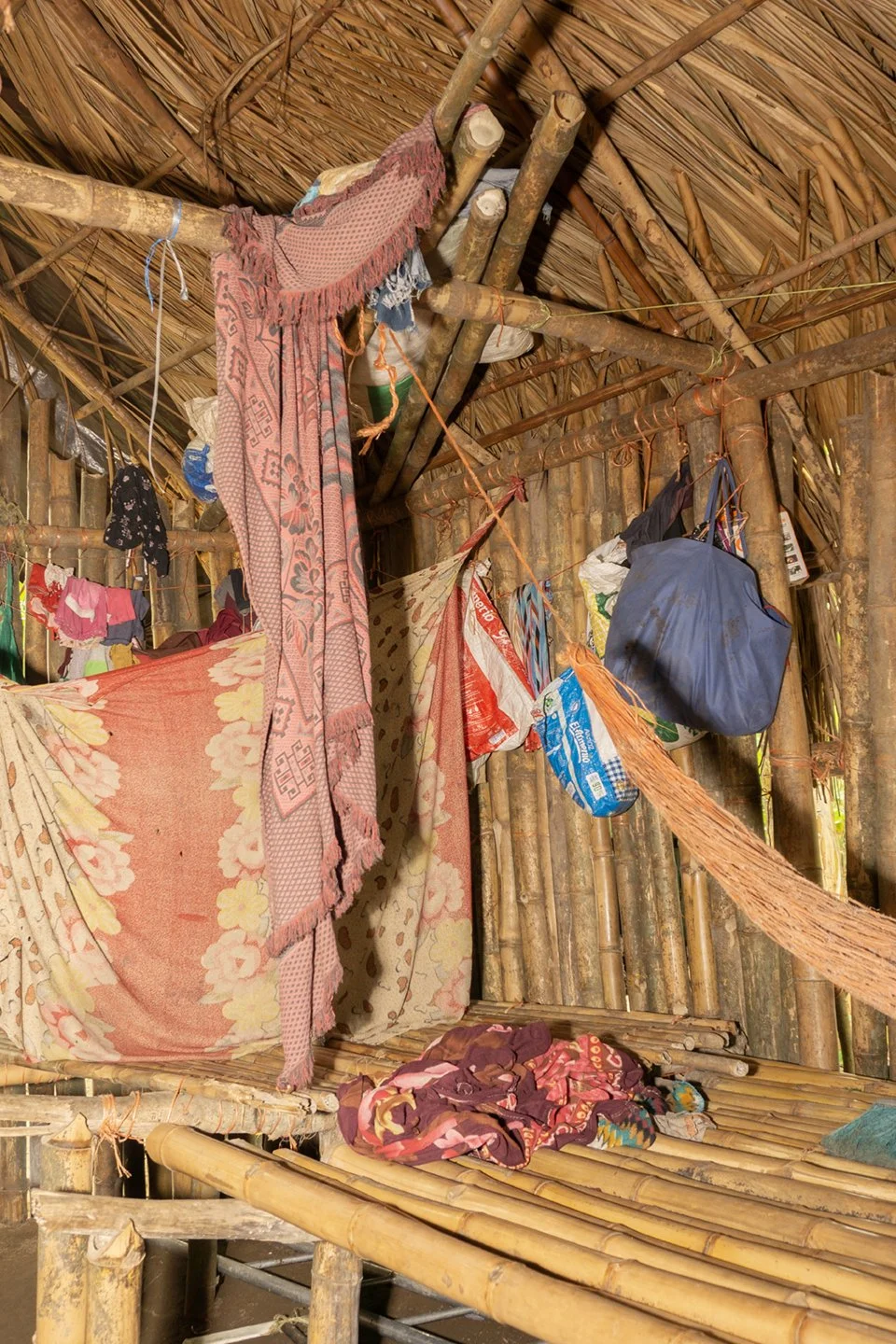
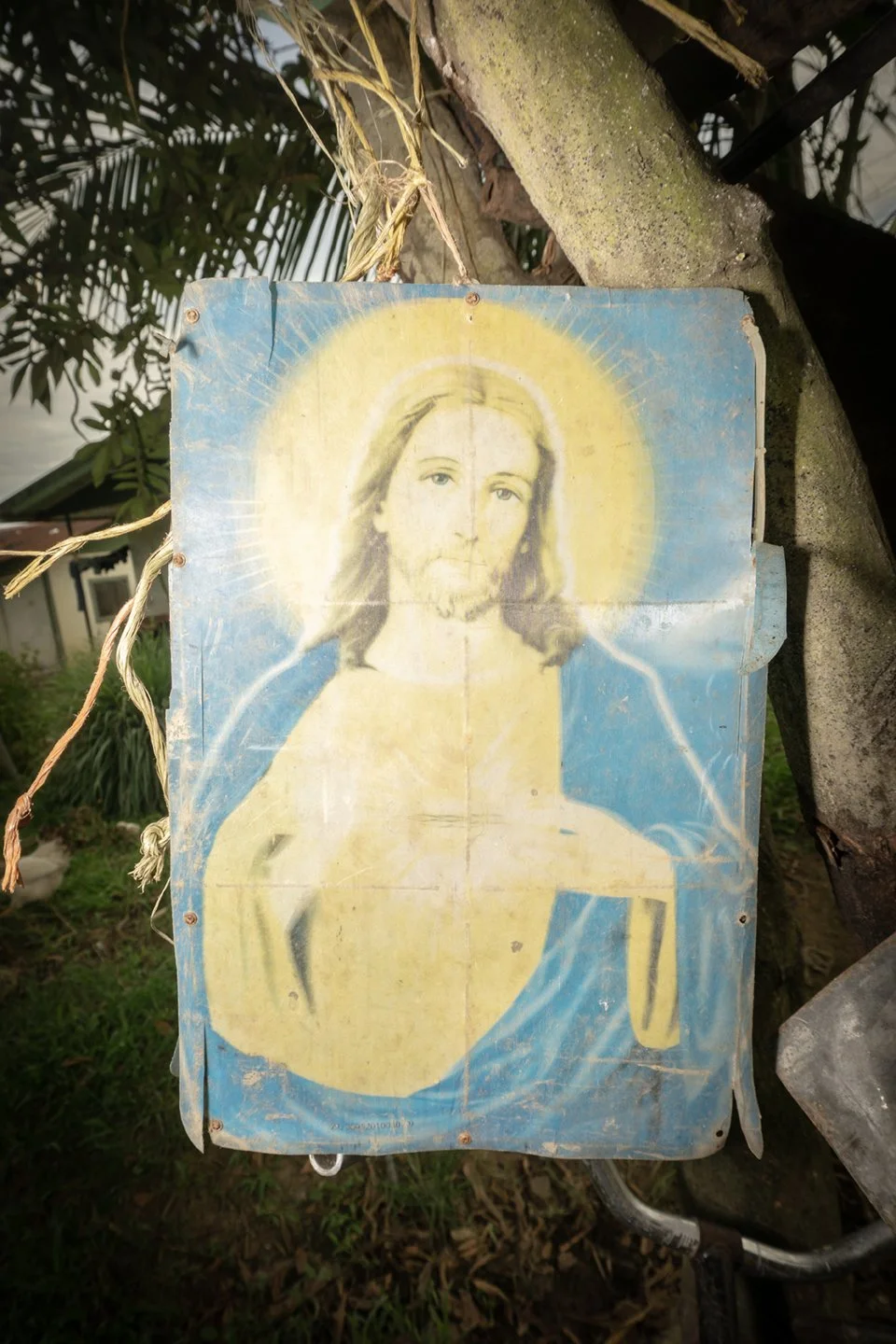
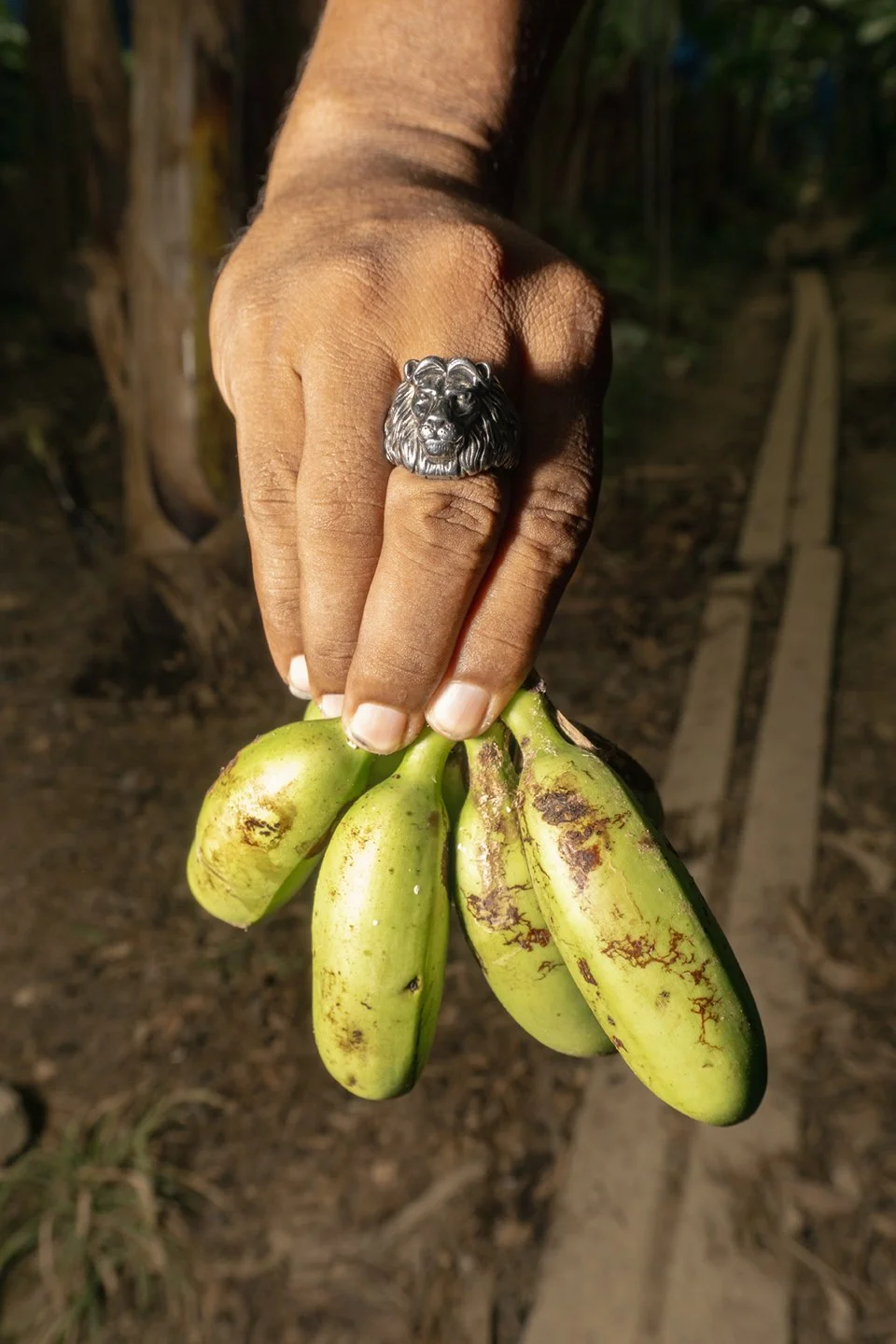
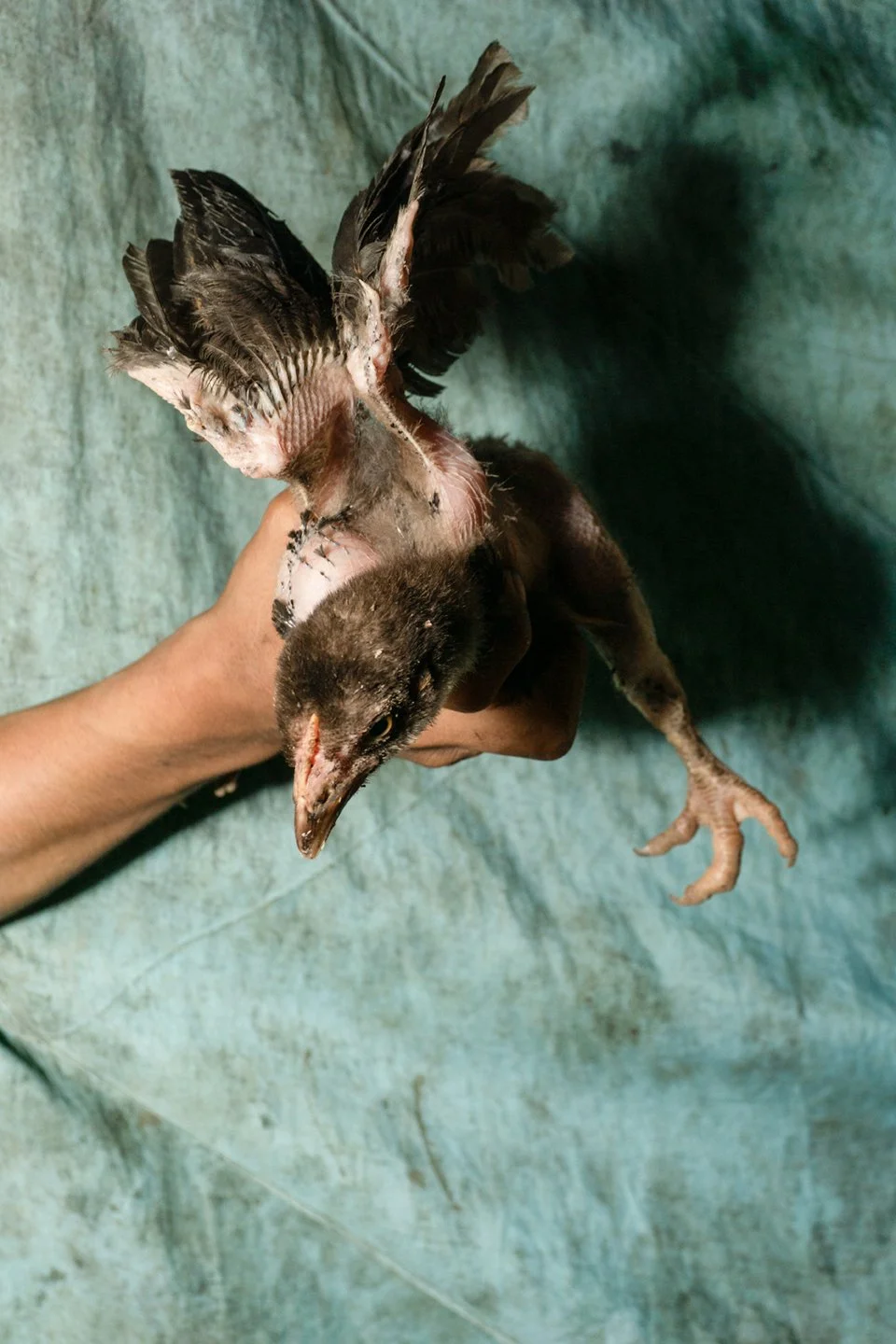
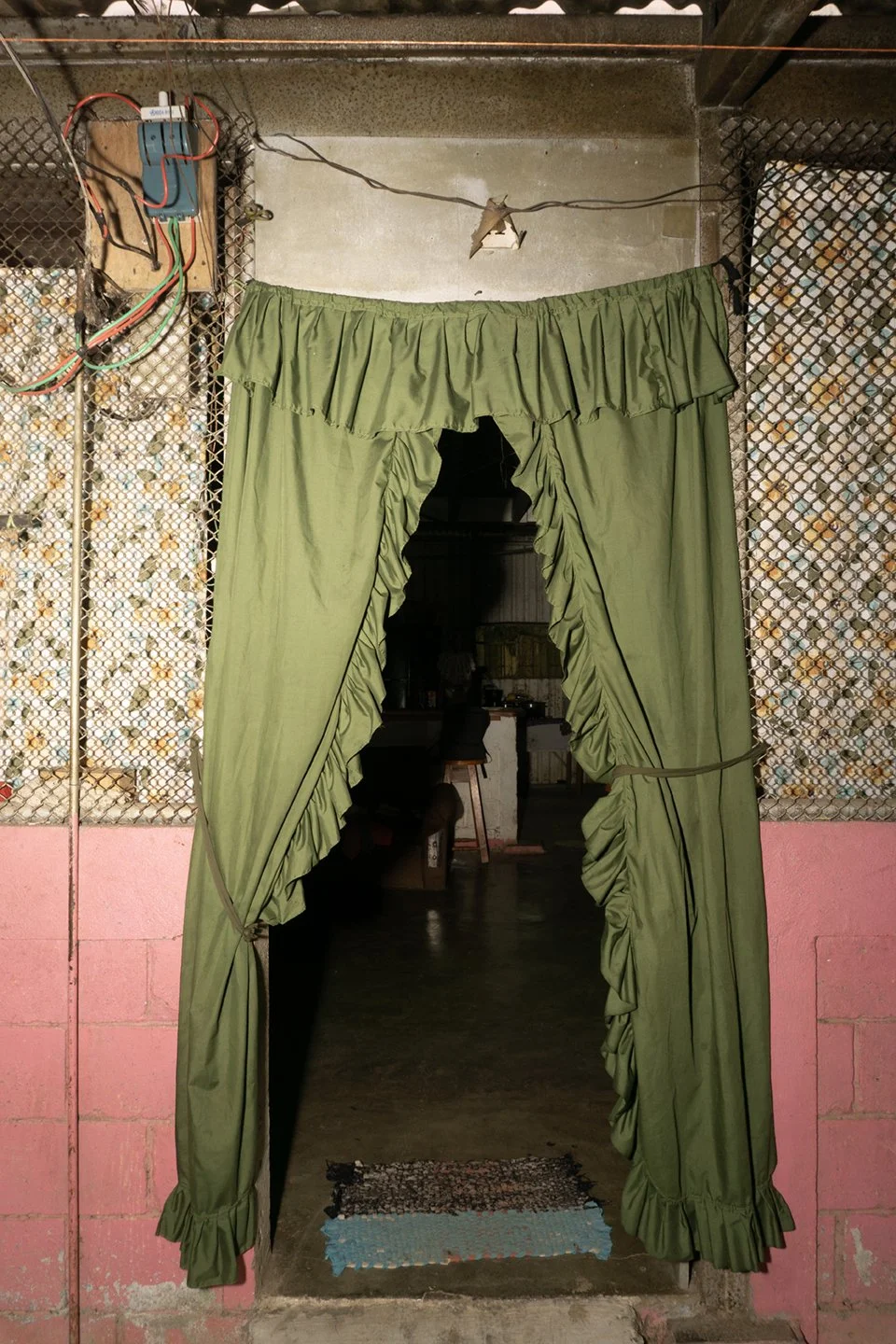
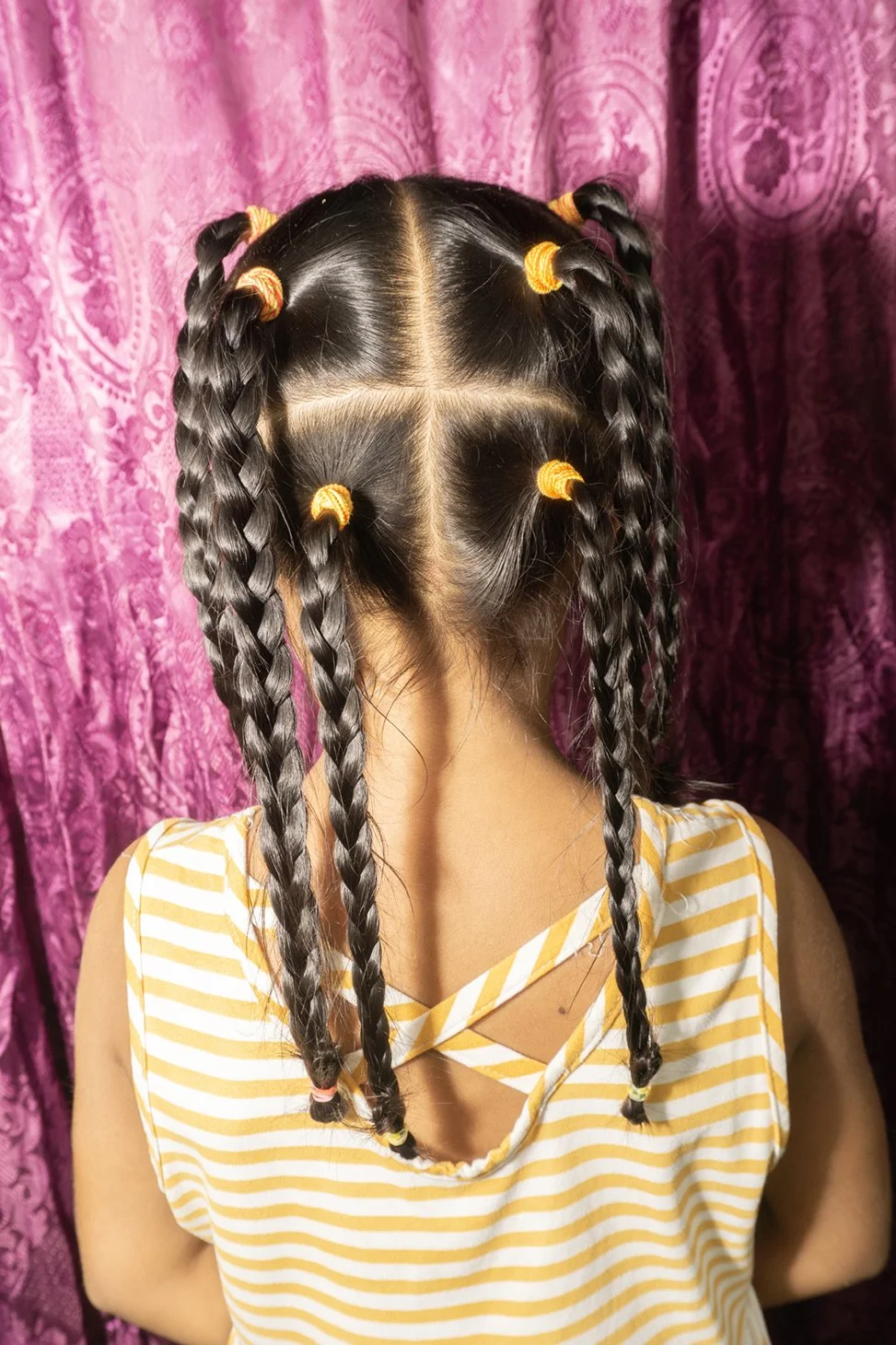
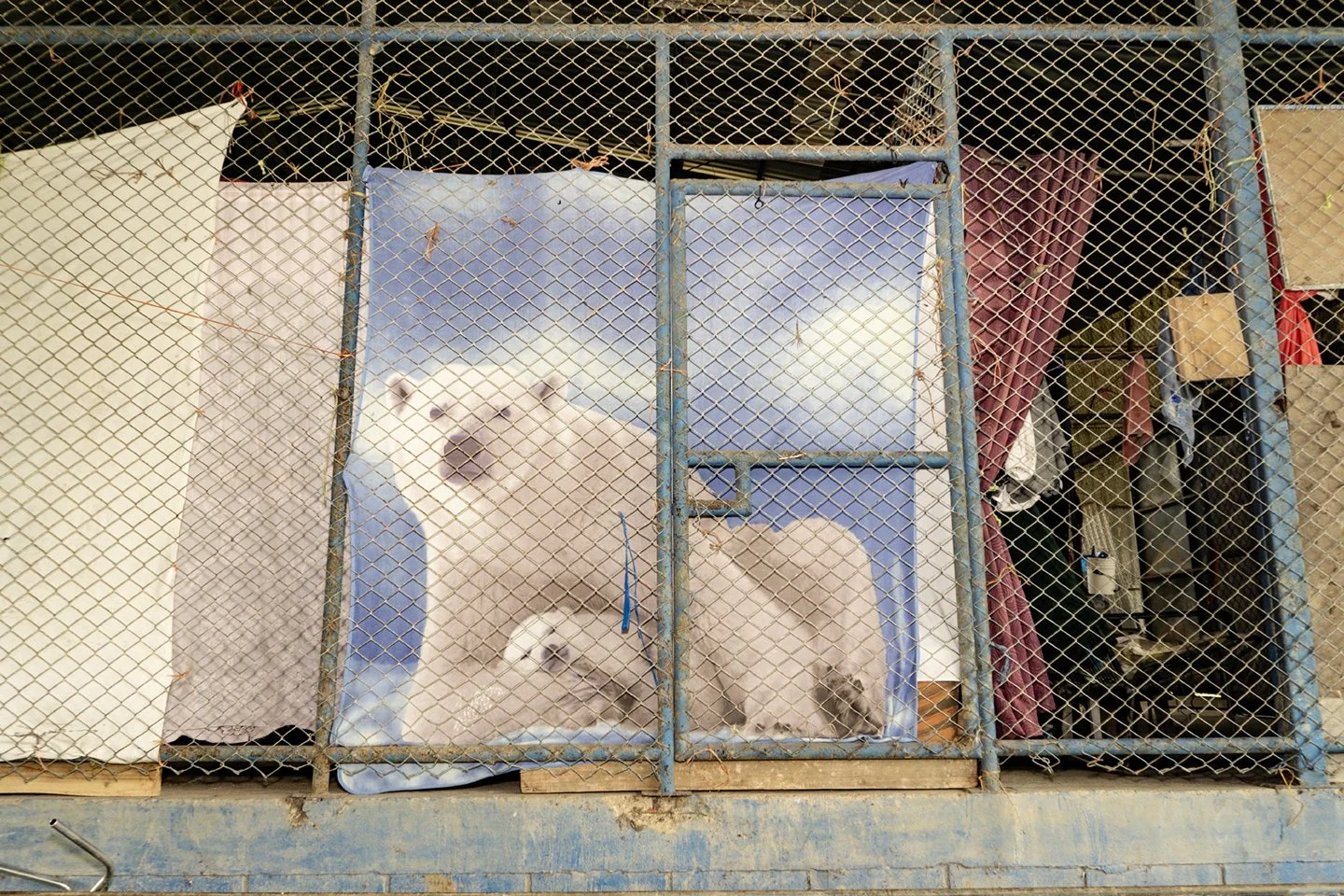
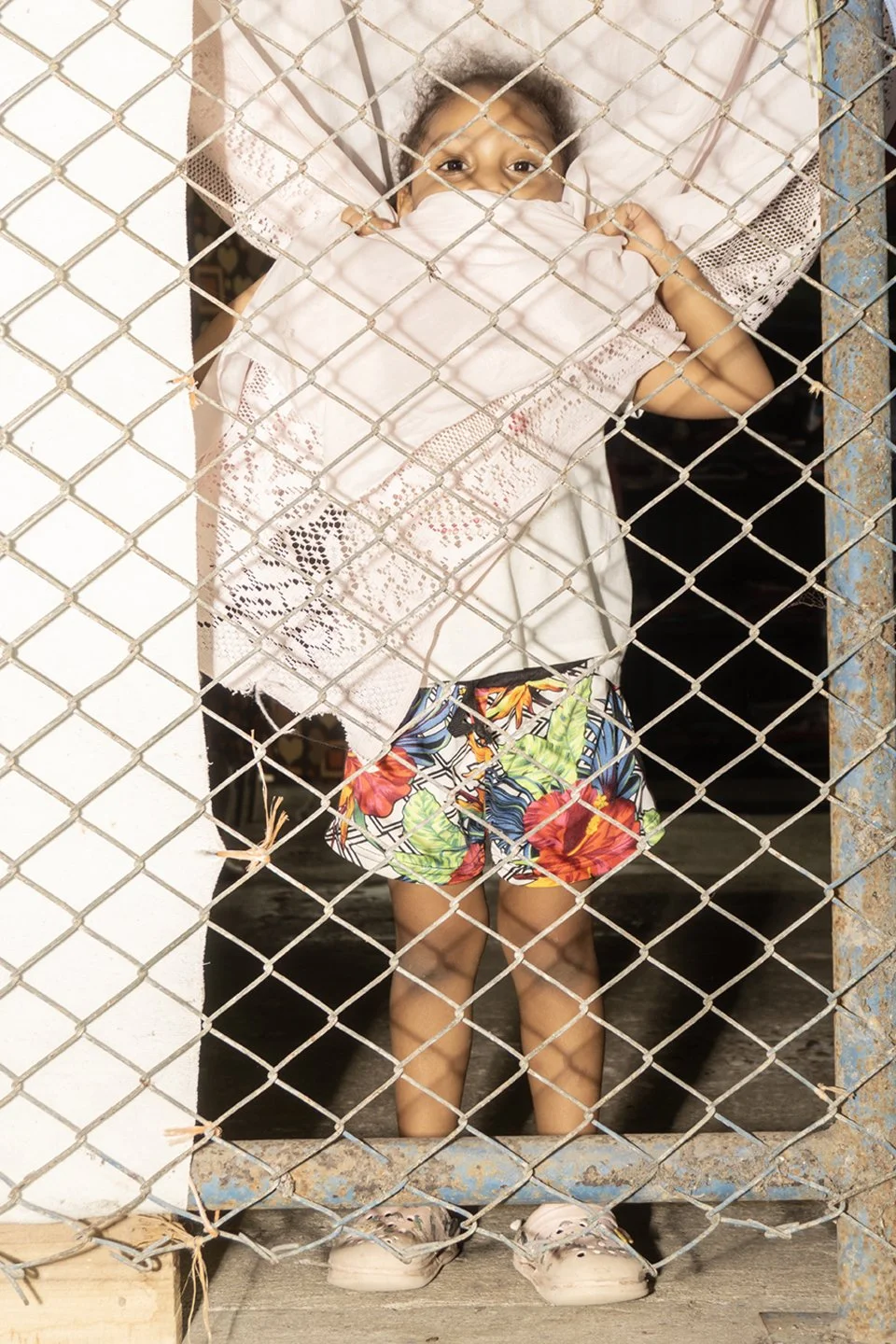
Peel it good.
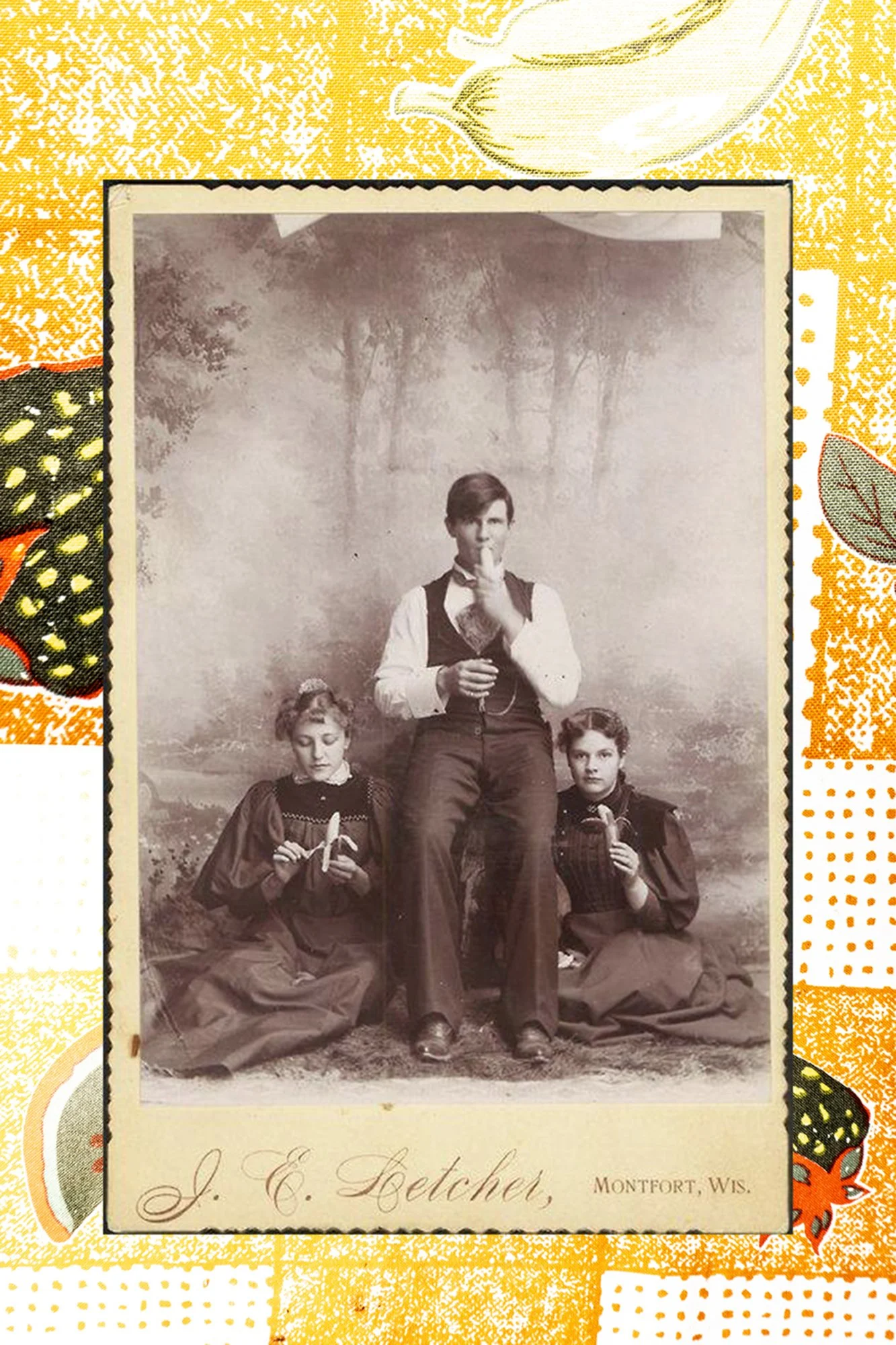
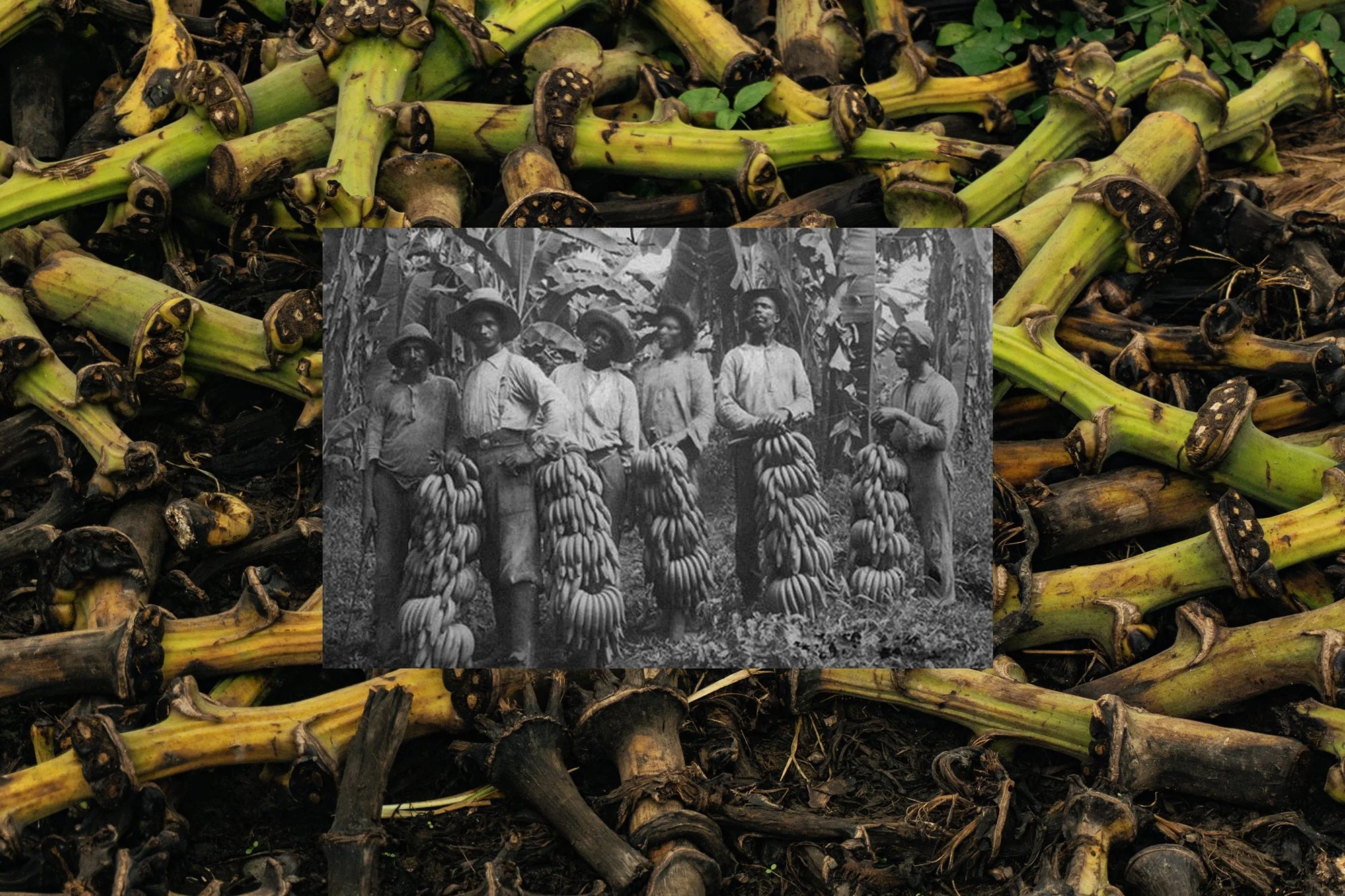
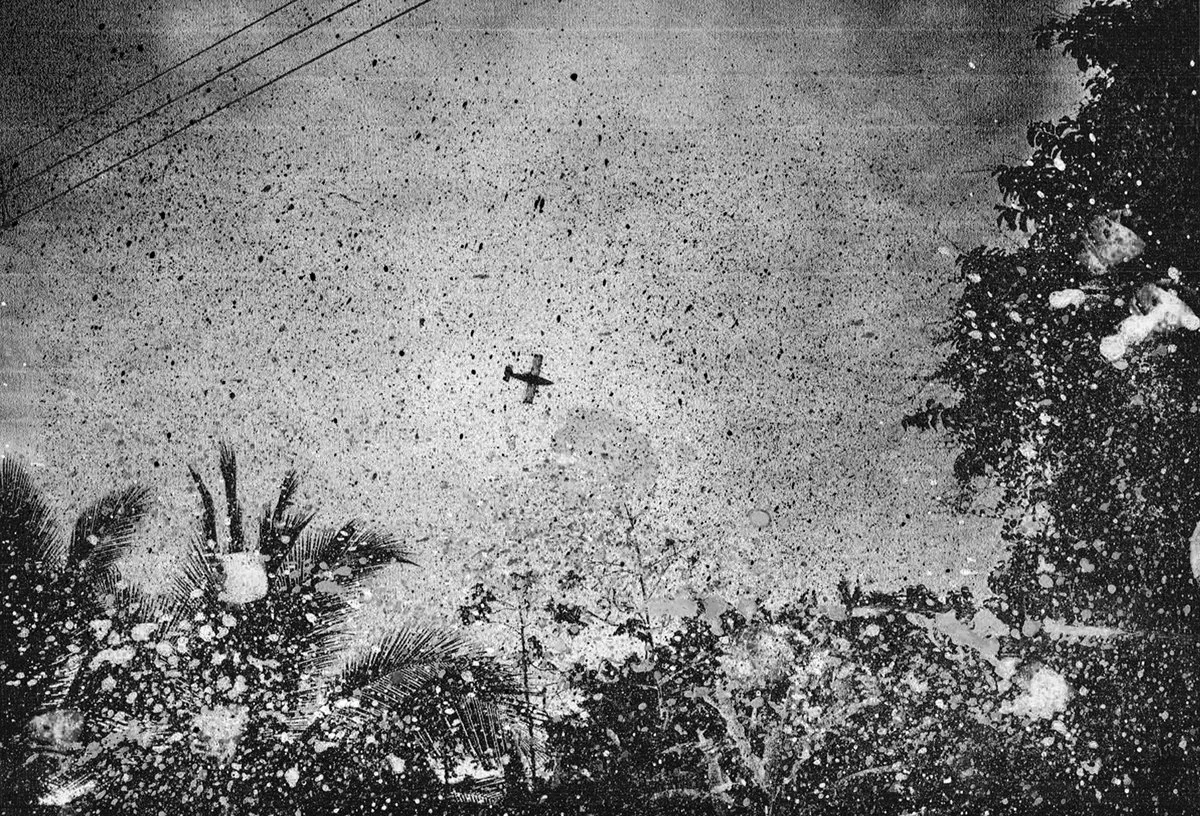
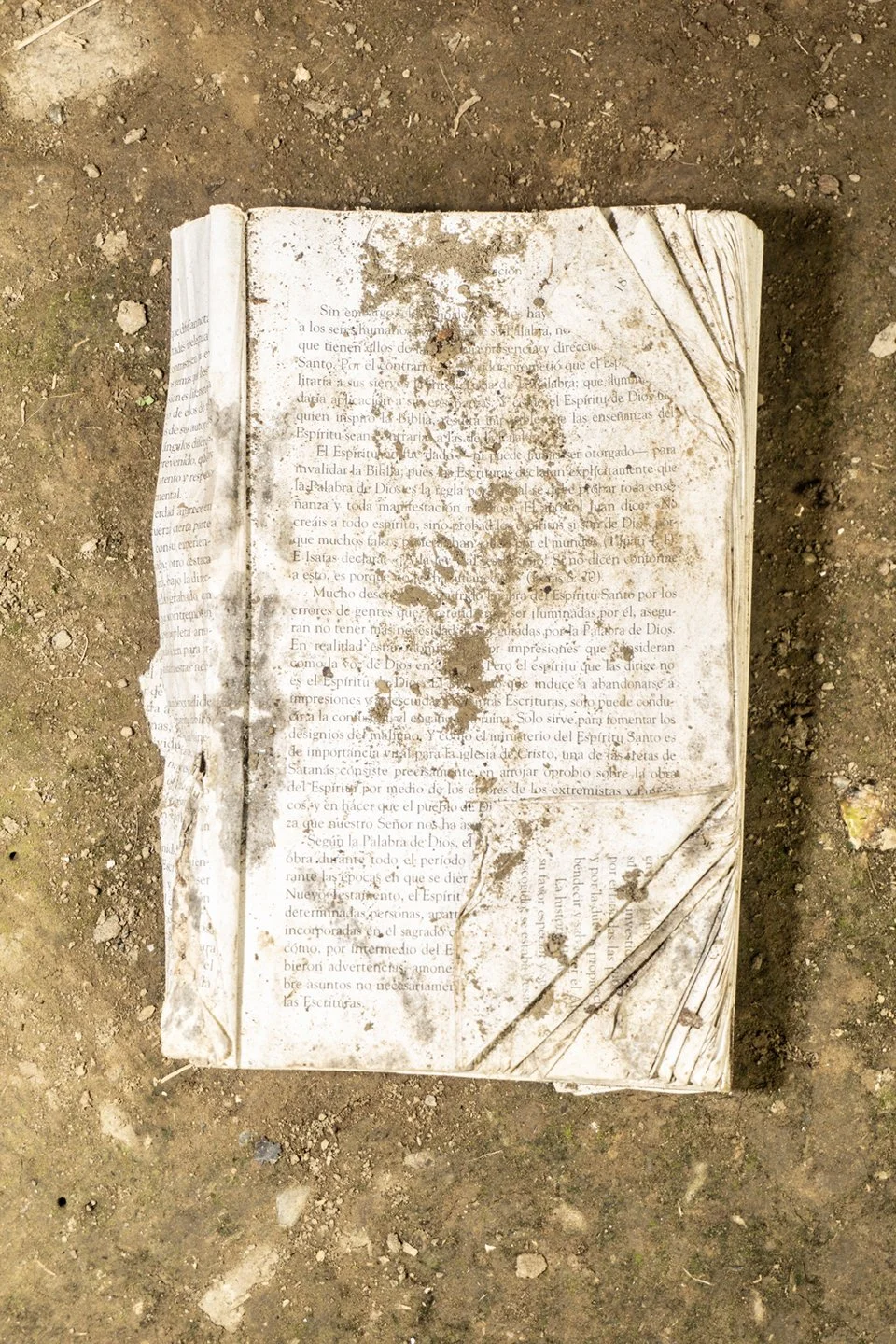
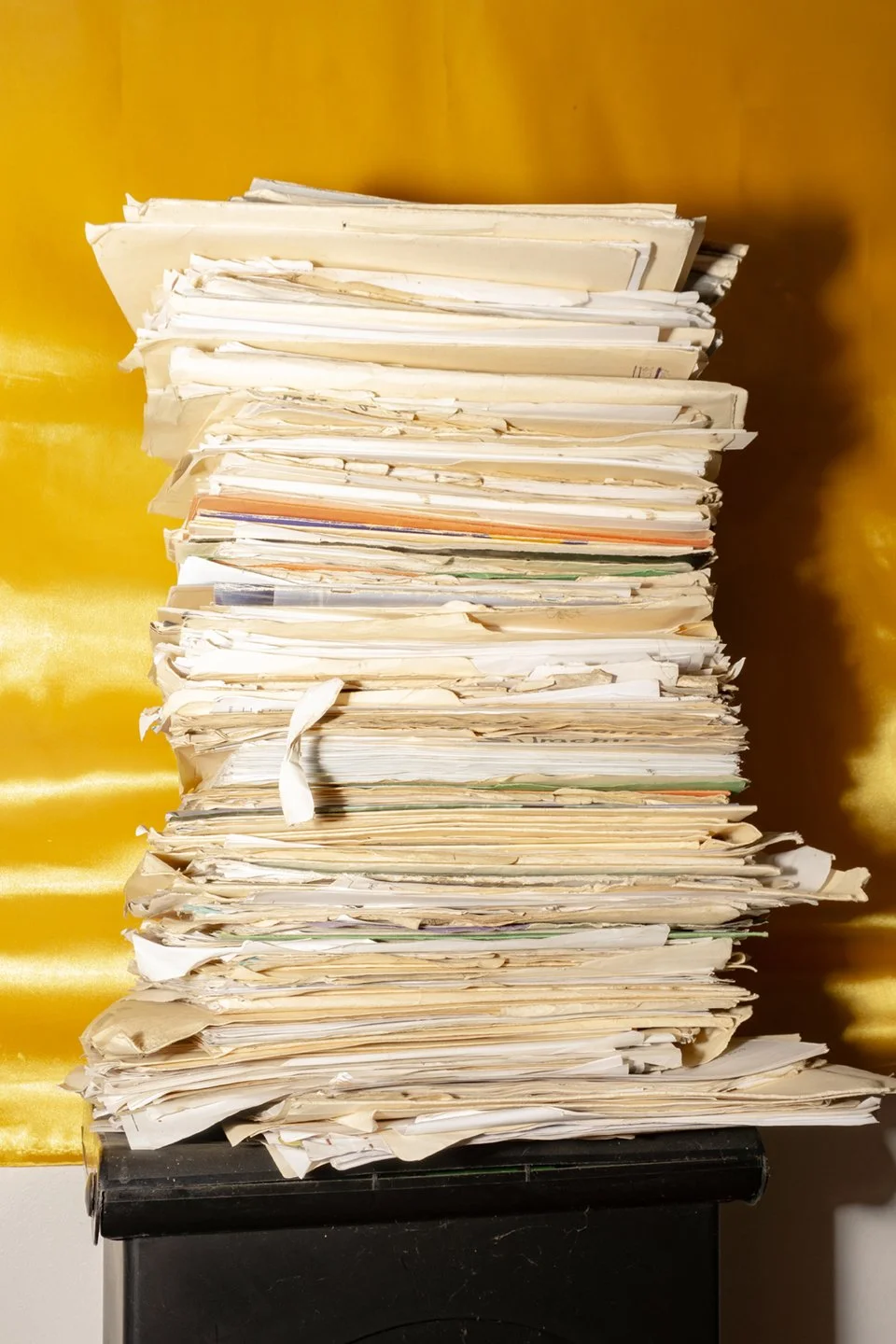
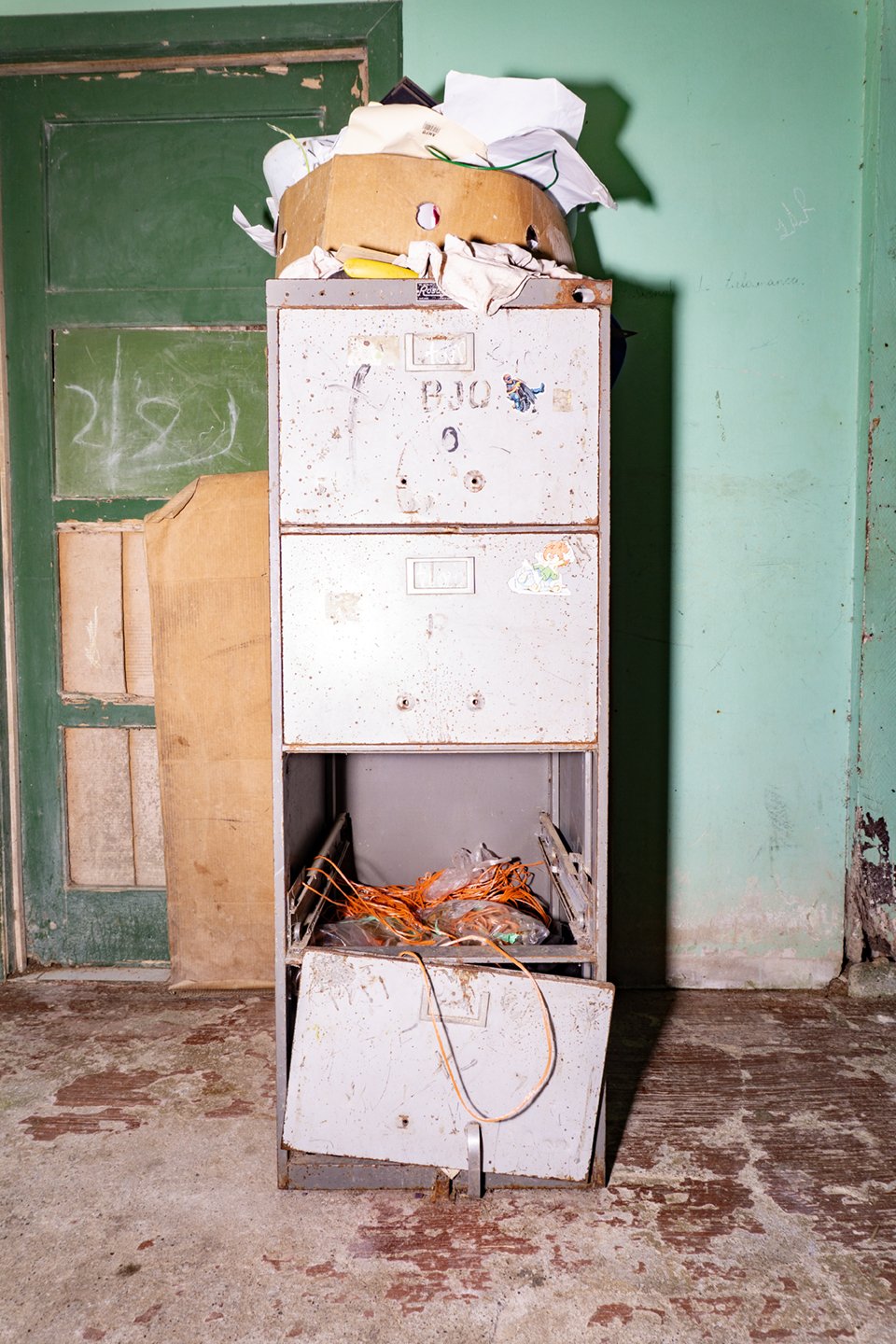
Peel it Good is a multidisciplinary project that unfolds across photography, archival research, and intervention. The act of intervening in the archive activates it as a living document, as a witness to the realities experienced in the past of banana plantations. It is a gesture that stretches the archive, revealing what still persists.
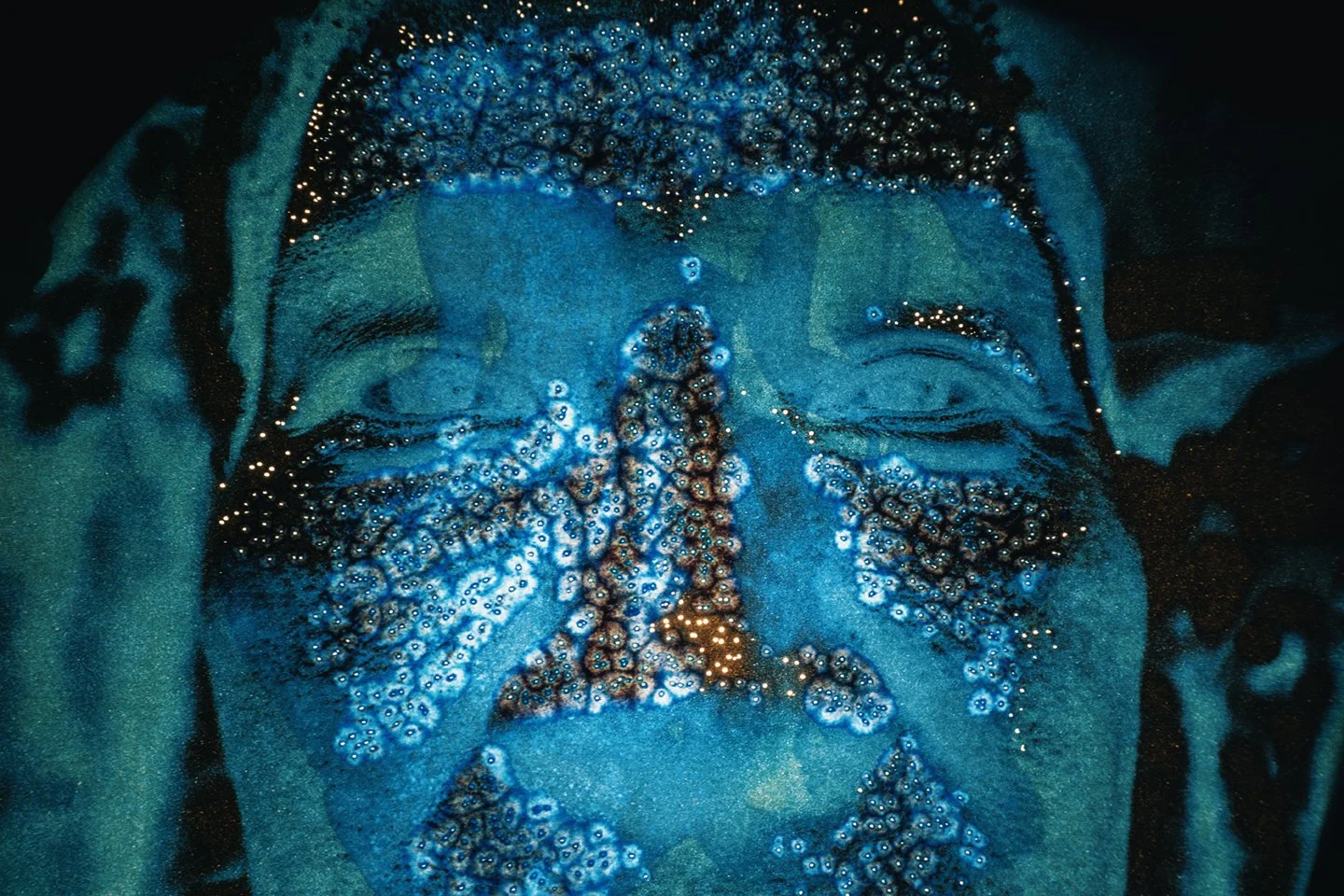
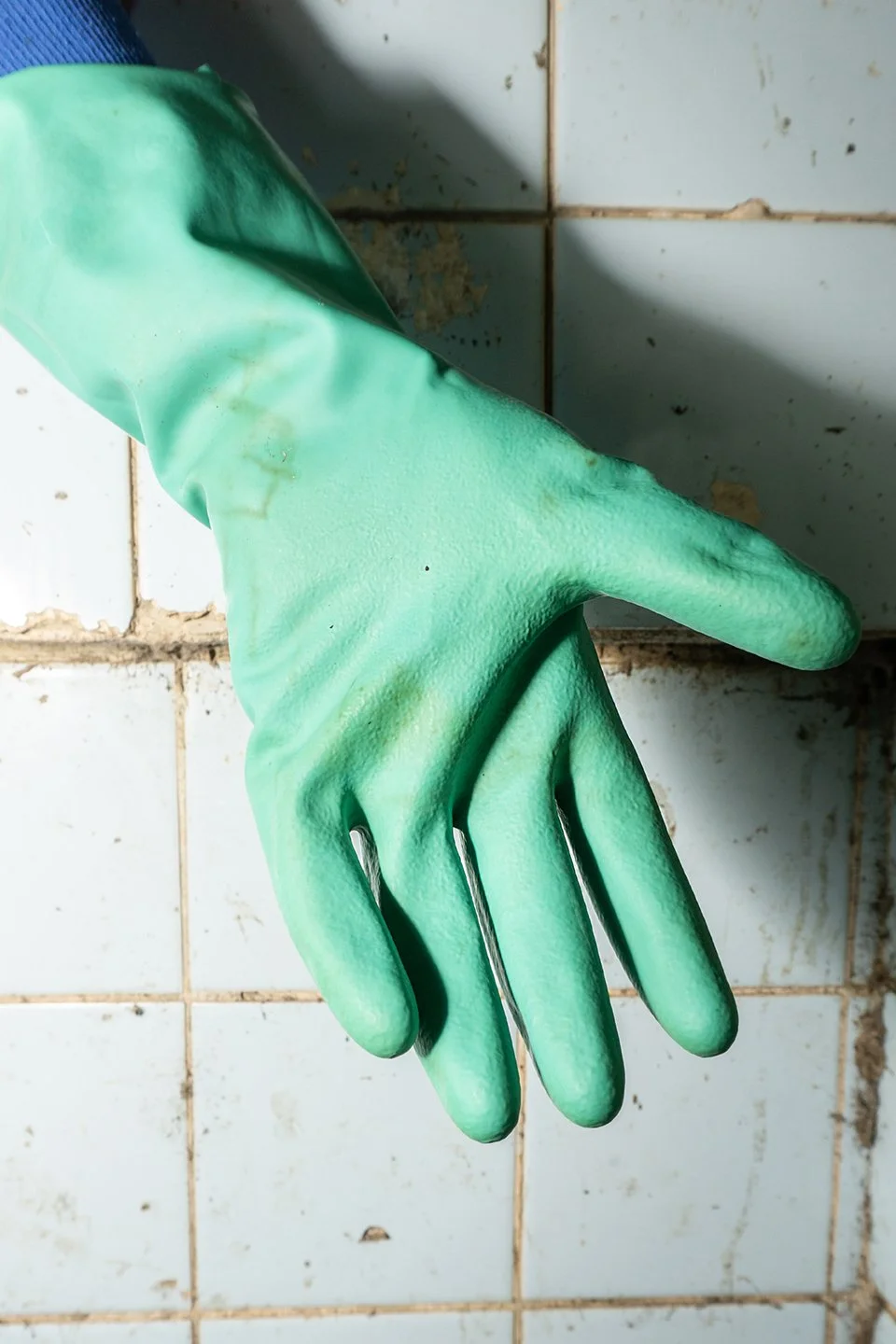
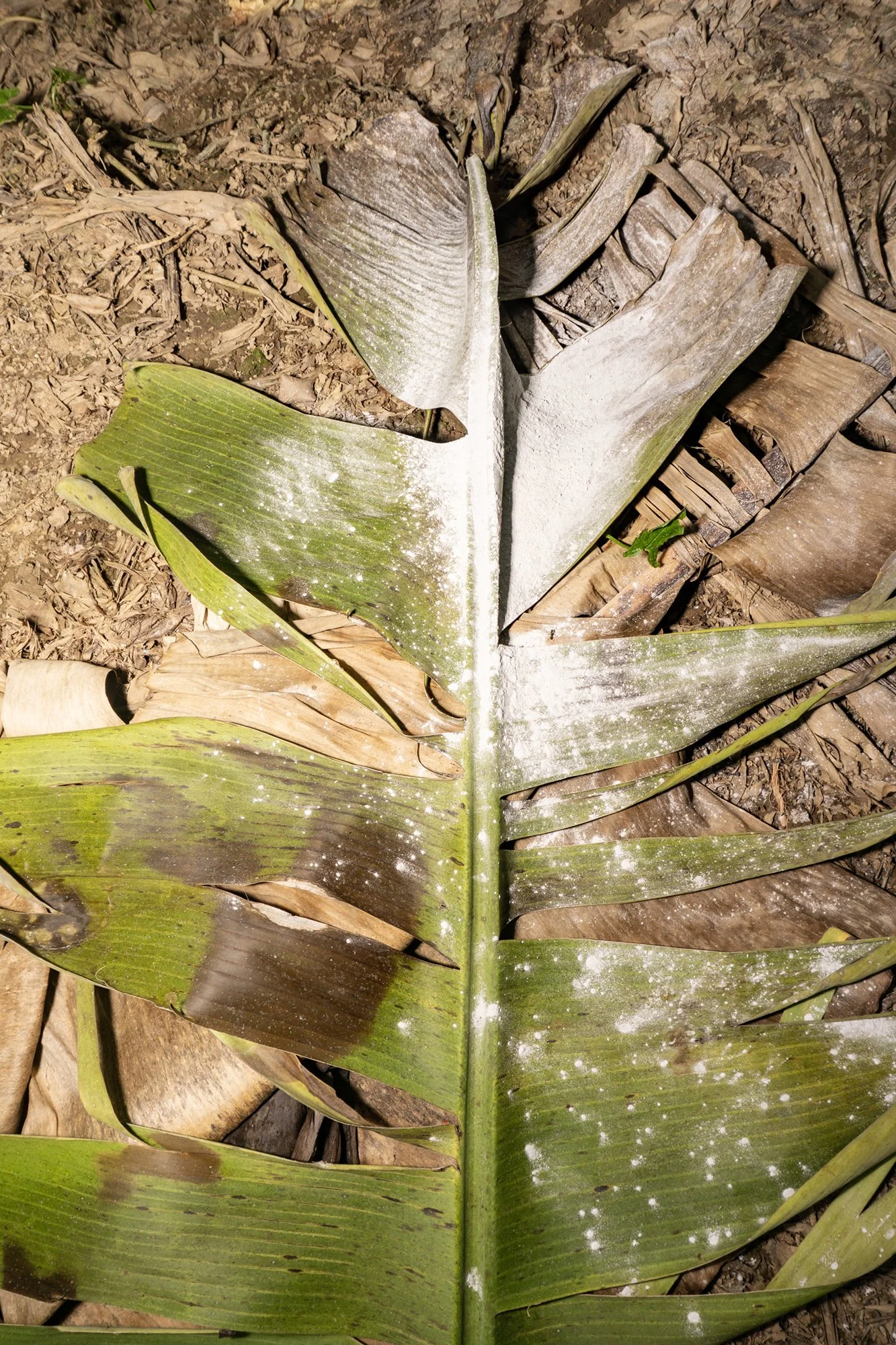
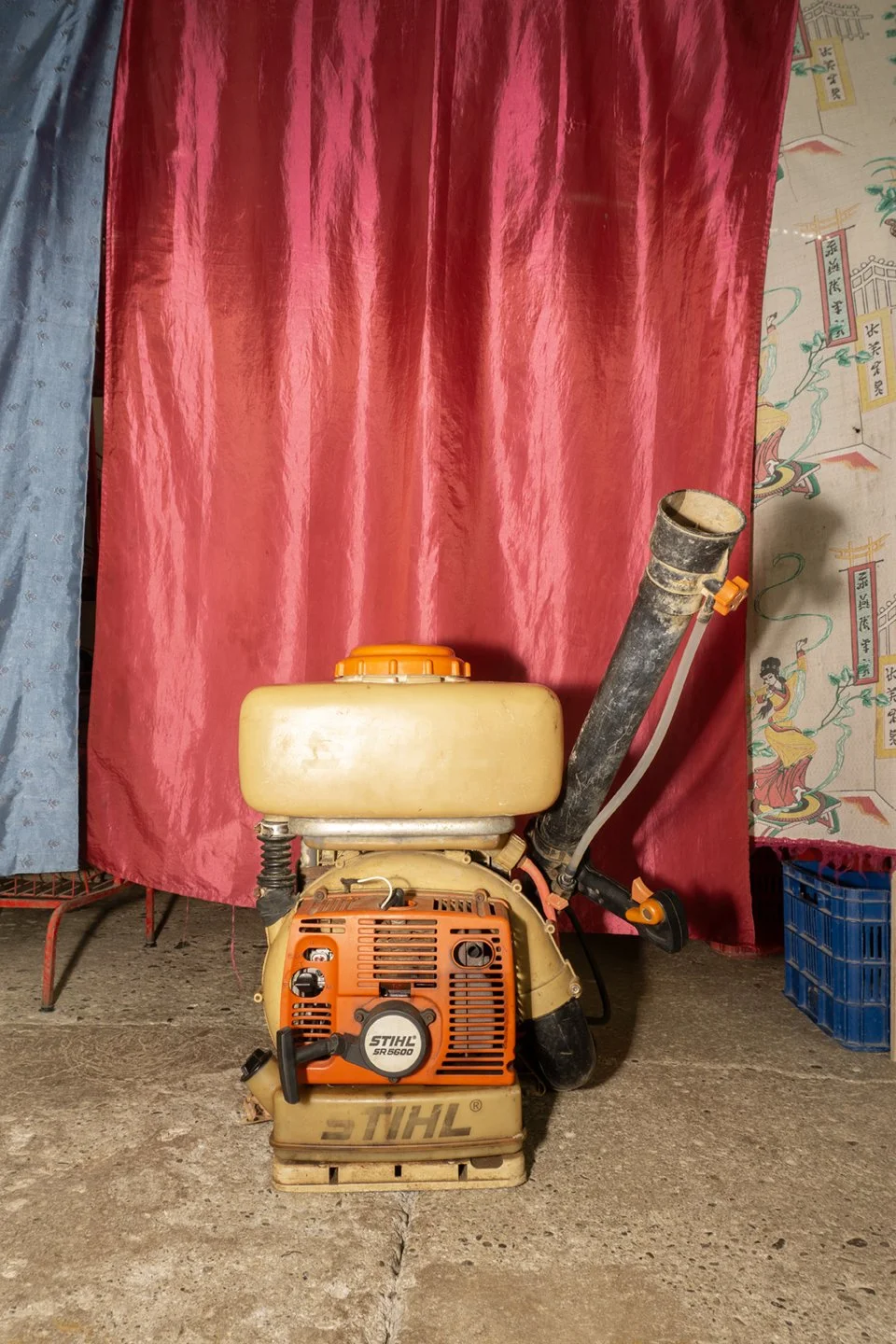
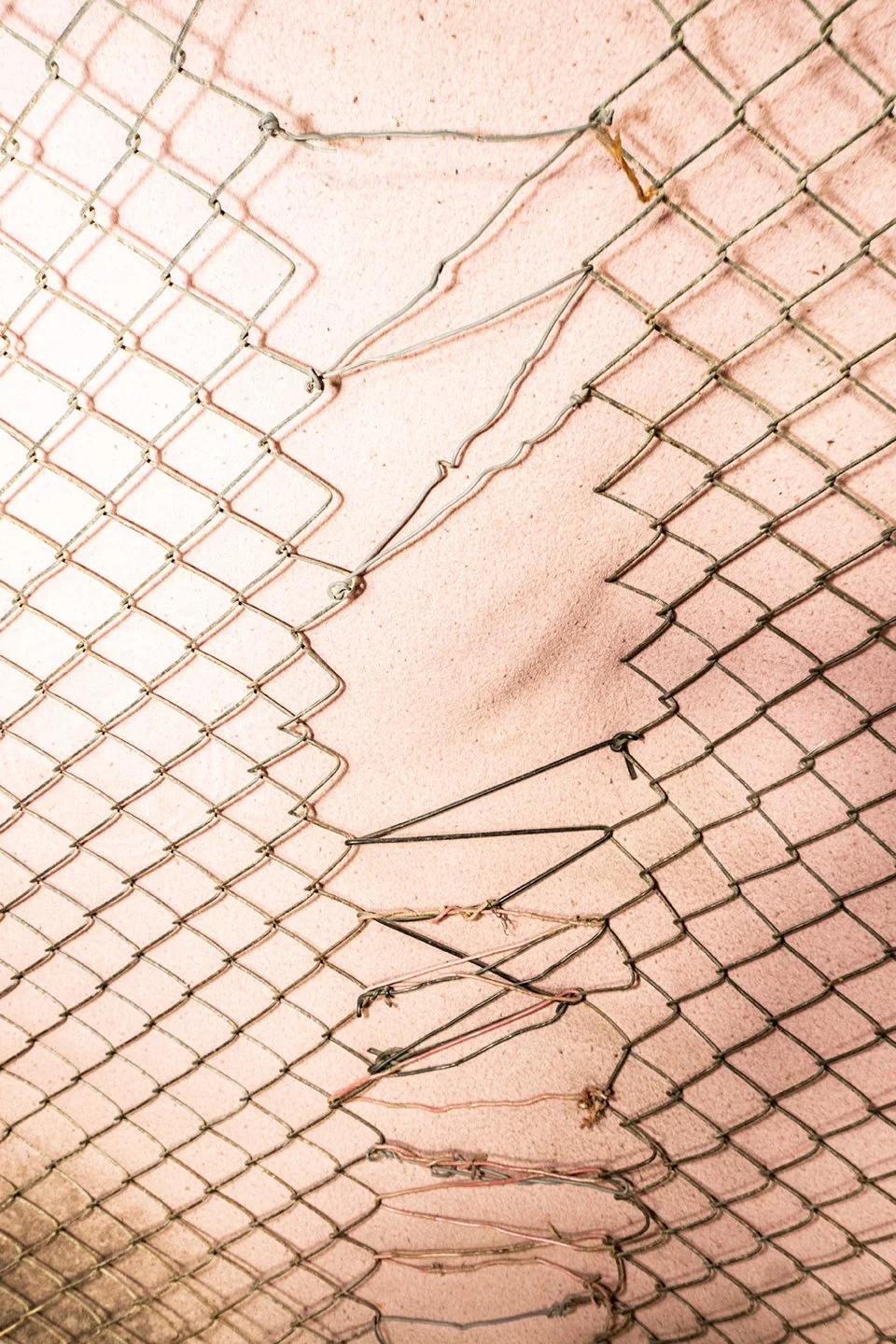
The intervention is carried out using agrochemicals sourced from the industry itself. In this contact, the paper reacts: it stains, yields, cracks. It responds. And through that reaction, new questions emerge, as if the material itself were speaking.
The question then opens up:
if the archive reacts this way,
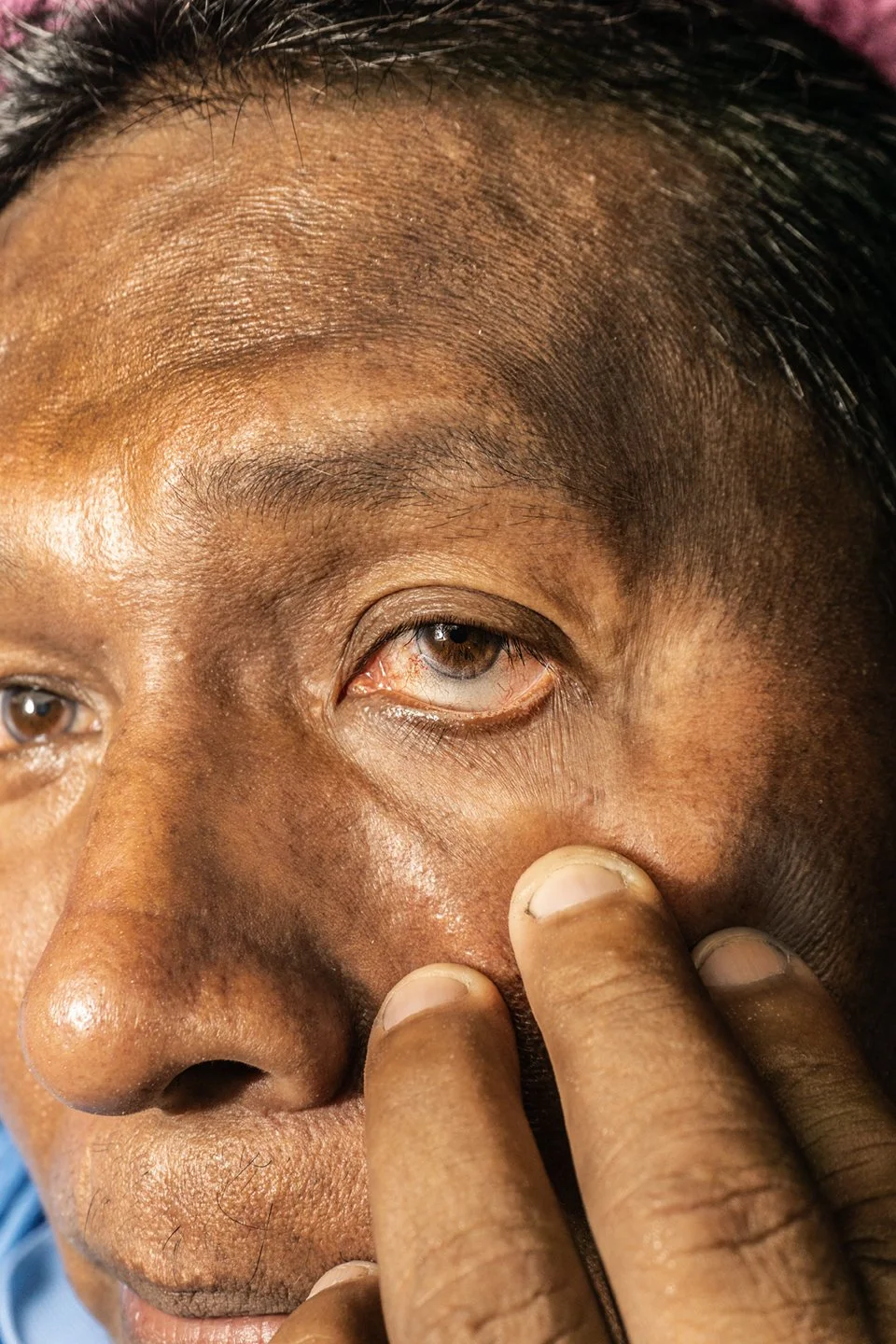
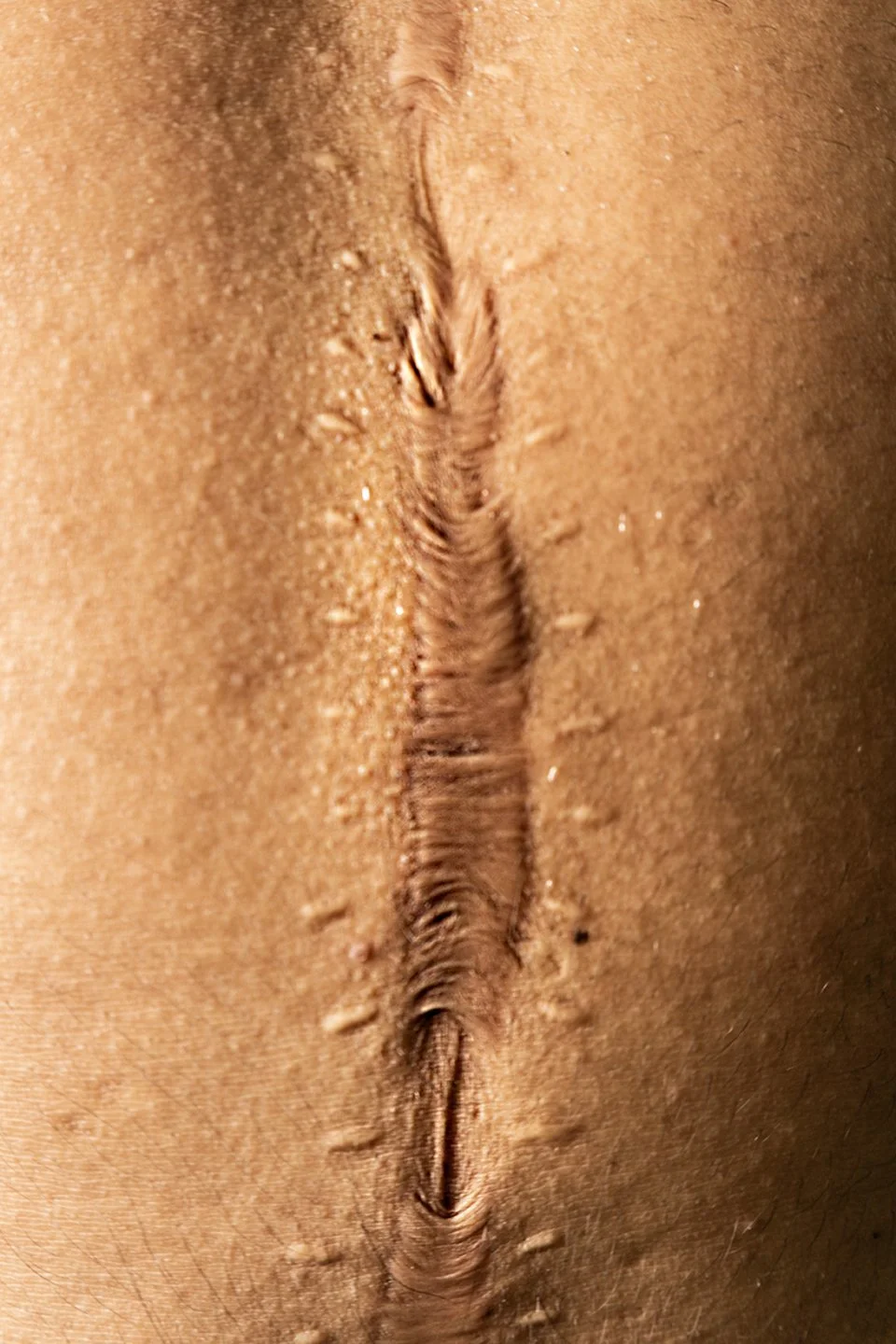
what happens to the skin?
to the bodies that harvest day after day?
to the childhoods shaped by that same invisible contact?
The project works with living and contemporary archives that project questions into the future. Through the documentation of banana workers on platforms such as TikTok, it reveals how certain dynamics of exploitation rooted in Taylorism and in contemporary forms of slavery are choreographed, aestheticized, and circulated on social media, becoming content that the capitalist system both produces and consumes.
Peel it Good thus aspires to become an anthropological showcase: a space where structural violence is transformed into shared spectacle, into digital narrative, into symbolic commodity.
A website, currently under construction, will host this archive in its multiplicity: the historical, the intervened, and the contemporary production. It is conceived as a space that seeks to democratize access to both the document and its language, built from within the community as well as through research and artistic practice. As a guiding thread, the project traces connections between Latin American archives and the history of banana plantations, revealing continuities, ruptures, and resonances.
Finally, Peel it Good is envisioned as an expanded exhibition: a space where performance, objects, projections, photography, and archive converge. A place where the viewer not only observes, but smells, feels, and embodies the reality the project evokes. All of this will culminate in a final fanzine-format publication, designed to document the archive in print. This material will not only circulate at events where the project is presented, but will also be distributed within communities, functioning as a tangible witness to the history of bananas.